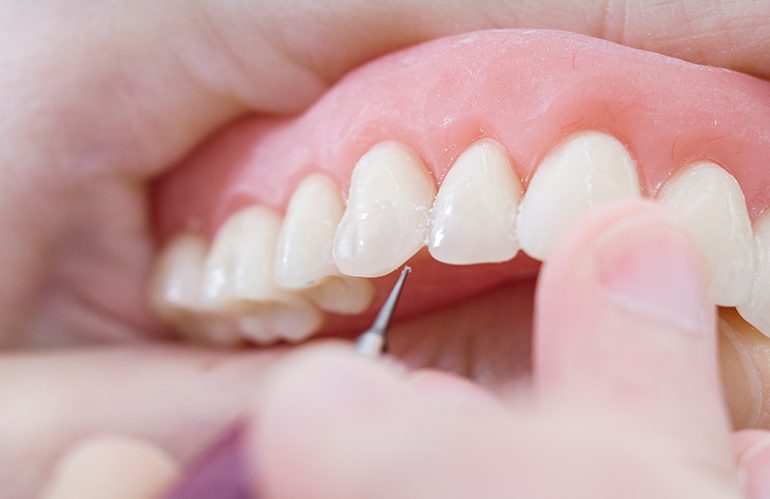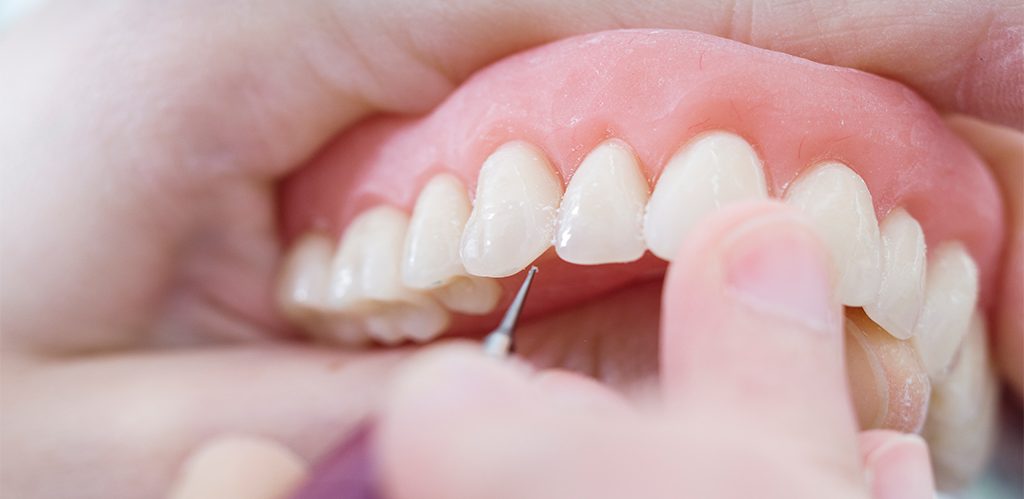
Material preferences in dentistry have changed significantly in the last twenty years. Metal-supported porcelain, which was the standard for many years, has increasingly been replaced by metal-free options. The zirconia crown is the most widely used representative of this transition. However, like every material, zirconia also has its strengths and limits. As DijiDent Oral and Dental Health Polyclinic, in Türkiye we choose the material according to the requirements of your case.
What Is Zirconia?
Zirconia is a high-strength white ceramic material used in dentistry. It is not a metal; for this reason, the problem of grey reflection and the dark line at the gum margin seen in metal-supported restorations does not arise. It is milled from blocks with computer-aided manufacturing and then sintered to reach its final hardness.
Two Basic Forms of Application
- Layered zirconia: The framework is produced from zirconia, and aesthetic porcelain layers are applied on top by hand. It is advantageous in terms of light transmission and color transitions; it is usually preferred in the front region. The likelihood of the upper layer chipping is higher than with the single-piece option.
- Single-piece (monolithic) zirconia: The entire restoration is produced from zirconia, and no separate porcelain layer is applied on top. Its fracture resistance is high; it is frequently preferred for back teeth and in patients with a teeth clenching habit. With the more translucent generations developed in recent years, its aesthetic performance has also improved significantly.
In Which Situations Is It Preferred?
- In teeth with excessive structure loss that need a full crown
- In teeth that have undergone root canal treatment and have discoloration
- In the back region, where chewing forces are intense
- In multi-unit bridge applications
- In implant-supported restorations
- In cases where a metal-free solution is preferred
What Are Its Limits?
Zirconia is a full-coverage material; it requires the tooth to be prepared all the way around. For this reason, if only a limited change on the front surface is aimed for, options requiring less intervention should be evaluated first. In addition, in very thin laminate applications, glass ceramics may be more advantageous in terms of light transmission.
Another issue is the opposing teeth. Hard ceramic restorations whose surface has not been properly polished may cause wear on the natural tooth opposite them. For this reason, surface treatments before cementation and bite adjustment are given importance.
The Production Process
Zirconia restorations are produced by milling from blocks after digital design. At this stage, the piece is prepared somewhat larger than its final size, because the material shrinks at a predictable rate during sintering. The accuracy of this calculation depends on the accuracy of the digital data. A deficiency at the impression stage produces an ill-fitting result, no matter how precise the production is.
Common Misconceptions
“Zirconia looks dull.” In early-generation single-piece zirconias, light transmission was limited. With the more translucent options and layered applications used today, a natural appearance can be achieved. The result depends as much on planning and the technician’s workmanship as on the material.
“Zirconia does not break.” Its fracture resistance is high; however, it is not unbreakable. A teeth clenching habit, biting hard objects and an ill-fitting bite pose a risk for every material.
“Zirconia lasts a lifetime.” No commitment to an unlimited lifespan can be given for any restoration. Durability depends on oral care, gum health, the bite relationship and habits.
Patients with Metal Allergy
Being a metal-free option is one of the reasons zirconia is preferred. In patients who report metal sensitivity, we evaluate this issue in detail during the examination.
What Determines a Long Lifespan
The margin fit and gum health are as decisive as the material itself. When plaque accumulates at the margin, gum inflammation develops and recession may be seen over time. For this reason, interdental cleaning and regular check-ups directly affect the lifespan of the restoration.
Frequently Asked Questions
With a well-fitting margin finish and a smooth surface, tissue compatibility is usually good; problems mostly stem from margin misfit.
An exact duration cannot be given. Care, the bite and your habits are decisive.
Since it contains no metal, a metal-related grey line is not expected; however, gum recession may be seen.
No. The color decision is made before application.
It can be used with a suitable generation and layered applications; alternatives are also evaluated.
Intraoral repair is limited; renewal is usually needed.
Let us talk not about the material, but about your case.
Let us determine which option suits you based on clinical criteria. Contact us to book an appointment; let us create your plan with its rationale at DijiDent Oral and Dental Health Polyclinic.
This content is for general information purposes. Material selection and results vary from person to person; the decision is made with a dentist’s examination.