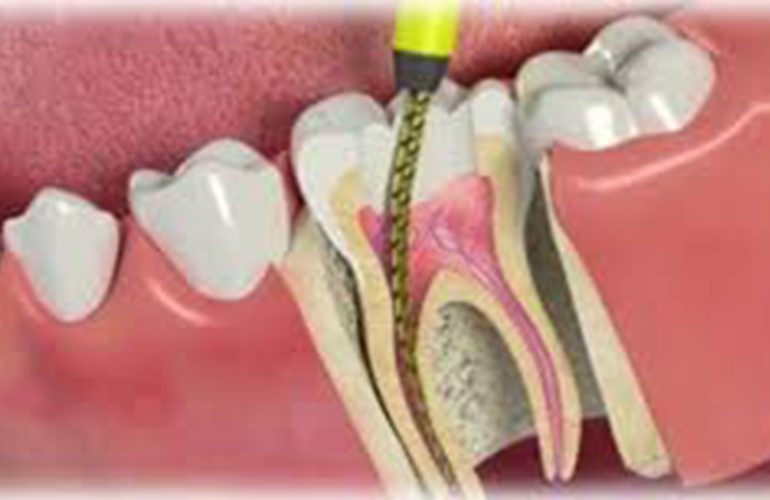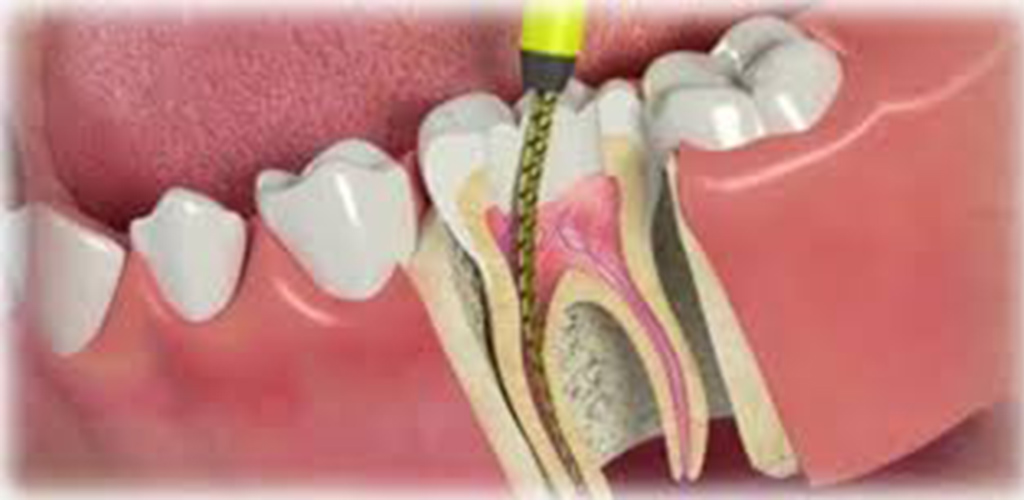
Root canal treatment is one of the procedures in dentistry about which the most myths circulate. Stories based on old experiences, unverified information circulating on the internet and misunderstandings can lead many people to postpone necessary treatment or have preservable teeth extracted. Comparing misconceptions about root canal treatment with current information allows you to base your decisions on correct information rather than fear. As DijiDent Oral and Dental Health Polyclinic, we answer with current information the misconceptions most frequently raised by our patients in Türkiye.
Myth 1: “Root canal treatment is very painful.”
Fact: Root canal treatment is done under local anesthesia and most patients do not feel pain during the procedure; there may be a feeling of pressure and vibration. Most of the pain patients feel comes not from the treatment but from the inflammation and infection that make the treatment necessary. Root canal treatment aims to eliminate this pain. After treatment, mild sensitivity may be seen for a few days and is usually controlled with painkillers.
Myth 2: “If the pain has gone, there is no need for treatment.”
Fact: The pain suddenly going away may mean that the pulp has completely lost its vitality or that an abscess has drained through a fistula. The infection may continue to progress silently and later lead to a more severe flare-up, bone loss or the loss of the tooth. Leaving a root canal treatment that has been started unfinished can also cause the canals to become contaminated again.
Myth 3: “Having the tooth extracted is easier and better.”
Fact: Extraction may seem faster in the short term; however, additional treatments such as an implant or bridge may be needed to replace the missing tooth. When a gap is left, neighboring teeth may shift, the opposing tooth may elongate and bone resorption may be seen. A preservable natural tooth is generally considered the most valuable option.
Myth 4: “Root canal treatment causes diseases in the body.”
Fact: The focal infection theory, put forward about a century ago and claiming that root-canal-treated teeth cause various diseases in the body, was not supported by scientific studies carried out in the following years. The current scientific view is that root canal treatment is a safe treatment. On the contrary, untreated dental infections are a situation that needs attention in terms of general health.
Myth 5: “A root-canal-treated tooth is dead and will be extracted sooner or later.”
Fact: Although its pulp has been removed, the tooth continues to be nourished and to function through the surrounding gum, bone and periodontal ligament. With a suitable upper restoration, good oral care and regular check-ups, root-canal-treated teeth can remain in the mouth for many years.
Myth 6: “If I use antibiotics, there will be no need for root canal treatment.”
Fact: Antibiotics can temporarily suppress the spread of infection to the surroundings; however, they do not eliminate the source of infection inside the tooth. When the medication runs out, the complaints usually return. Unnecessary antibiotic use also contributes to the development of resistance.
Myth 7: “Root canal treatment takes very long and you have to go many times.”
Fact: Thanks to modern instruments and techniques, many root canal treatments can be completed in a single session. In infected or complex cases, more than one session may be needed; however, this is a planned choice made for the quality of the treatment.
Myth 8: “Root canal treatment is not done during pregnancy.”
Fact: Root canal treatment can be done during pregnancy with the appropriate period and precautions. The second trimester is generally considered the most suitable period; emergencies are evaluated without waiting. The decision is made in harmony with the obstetrician.
Myth 9: “A crown is always essential after root canal treatment.”
Fact: The type of restoration is determined according to the position of the tooth and the amount of healthy tissue remaining. In front teeth with little structure loss, a filling is often sufficient. In molars, on the other hand, restorations that protect the cusps, such as onlays or crowns, are usually recommended.
Myth 10: “Root canal treatment on children’s baby teeth is unnecessary.”
Fact: Baby teeth hold space for the permanent teeth to erupt in the correct position, and some remain in the mouth until the age of 10–12. Losing them early can lead to problems such as crowding. In suitable cases, pulp treatments are also applied to baby teeth.
Myth 11: “Nothing will ever happen to a root-canal-treated tooth again.”
Fact: Caries, gum disease or leakage at the restoration margin can also develop in a root-canal-treated tooth. Since there is no pulp, these problems can progress without causing pain. For this reason, it is important that treated teeth are also checked regularly.
Correct Information, the Right Decision
If you are unsure whether something you have heard about root canal treatment is correct, do not hesitate to ask your dentist. At DijiDent, we take care to explain every stage before treatment and to share the risks and options transparently.
Frequently Asked Questions
It is done under local anesthesia and most patients do not feel pain during the procedure. Afterwards, mild sensitivity may be seen for a few days.
There is no current scientific evidence supporting this claim. Root canal treatment is considered a safe treatment.
With a suitable restoration, good care and regular check-ups, it can function for many years; the duration varies from person to person.
The canals may become contaminated again and the infection may recur. Completing the treatment is recommended.
No. A preservable natural tooth is generally the priority option; an implant is a valuable alternative in situations where the tooth has been lost.
Make your decisions with correct information.
Contact us to book an appointment to have your questions about root canal treatment answered and to evaluate your tooth together. Let us offer you a transparent and understandable treatment plan at DijiDent Oral and Dental Health Polyclinic.
This content is for general information purposes and does not replace an examination by a dentist. Treatment decisions are made after an individual clinical evaluation.