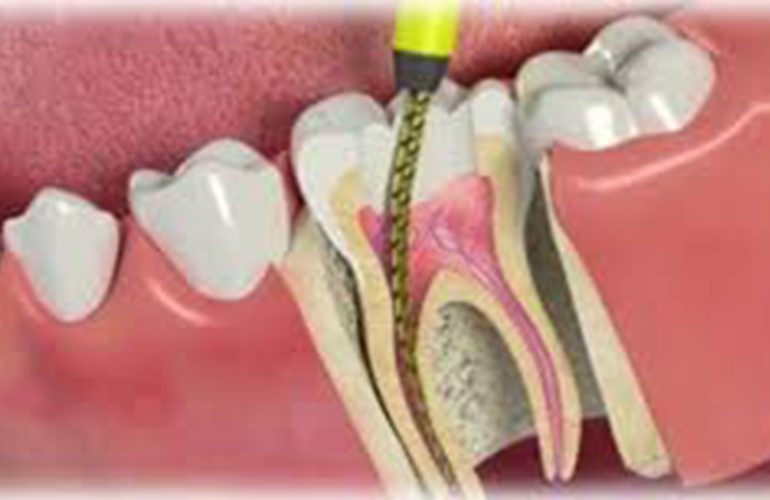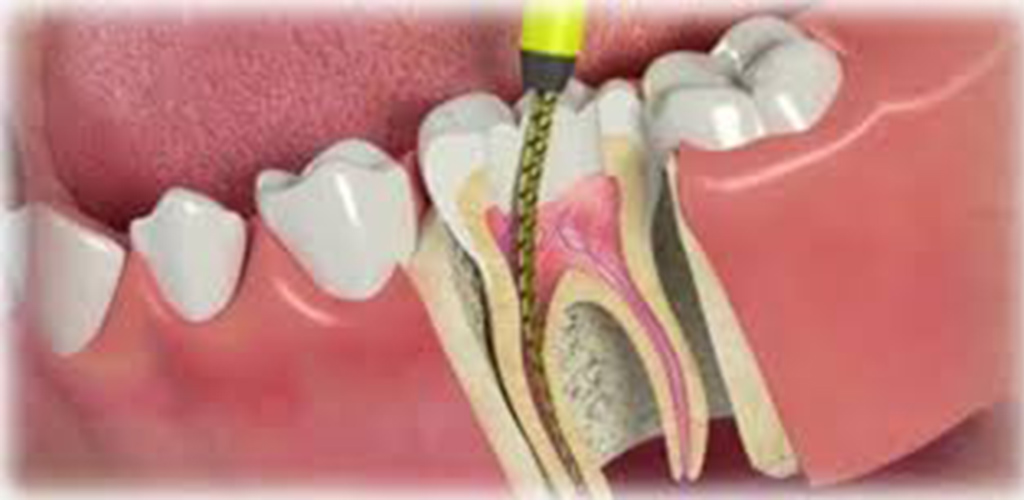
Root canal treatment eliminates the infection inside the tooth; however, one of the important elements that allow the tooth to remain in the mouth for a long time is the upper restoration made after the treatment. A correctly chosen and timely restoration protects the tooth against both fracture and renewed bacterial leakage. In the decision on restoration after root canal treatment, the position of the tooth, the amount of healthy tissue remaining and the chewing loads are evaluated together. As DijiDent Oral and Dental Health Polyclinic, we explain this decision to our patients in Türkiye together with its rationale.
Why Is the Upper Restoration So Important?
In teeth that need root canal treatment, there is often already significant tissue loss due to caries, old fillings or fractures. The access cavity opened during treatment to reach the canals also weakens the structure of the tooth somewhat. For this reason, root-canal-treated teeth, especially in the back region, may be more prone to fracture under chewing forces.
The second important task of the restoration is sealing. No matter how well the canals have been filled, saliva and bacterial leakage from above can over time reach the canal system and threaten the success of the treatment. For this reason, it is recommended that the permanent restoration not be delayed.
Restoration Options
Composite Filling
In cases where structure loss is limited, especially in front teeth and where the walls of the tooth have been largely preserved, a tooth-colored composite filling may be sufficient. It is one of the options that preserves the most tooth tissue and is usually completed in a single session.
Onlay and Inlay
These are partial restorations in back teeth that also cover the cusps, that is, the protrusions on the chewing surface of the tooth. They can be produced from ceramic or composite material. They provide protection against fracture by covering weakened cusps without cutting the tooth completely. They allow more healthy tissue to be preserved compared to a crown.
Crown
Crowns that cover all surfaces of the tooth are frequently preferred in molars with major structure loss that are exposed to intense chewing forces. They can be produced from materials such as zirconia or all-ceramic. They are one of the options that provide the highest protection; however, they require more tissue to be removed from the tooth.
Intracanal Support (Post and Core)
When very little healthy tissue remains in the crown part of the tooth, a support (post) can be placed in the canal and a core structure built on it so that the restoration can be retained. The post is used not to strengthen the tooth but to provide retention for the restoration; for this reason, it is preferred only when necessary.
Factors Determining the Choice
- The position of the tooth: Front teeth and molars are exposed to different loads; restorations that protect the cusps are recommended more often for molars.
- Remaining healthy tissue: How many walls of the tooth remain sound directly affects the type of restoration.
- Chewing habits: Teeth clenching and grinding may increase the need for a more protective restoration.
- Aesthetic expectation: Color matching and a natural appearance are important, especially in front teeth.
- Whether it is a bridge abutment: Different planning is needed for teeth that will be used as support in a prosthesis.
The Difference Between Front Teeth and Back Teeth
Front teeth mainly perform a cutting function during chewing and are exposed to less vertical force than back teeth. For this reason, in front teeth with limited structure loss, an aesthetic composite filling after root canal treatment is often considered sufficient. Molars, on the other hand, carry most of the chewing load; in situations where the cusps are not protected, vertical fractures may be seen and these fractures can lead to the loss of the tooth. For this reason, restorations that cover the cusps, such as onlays or crowns, are recommended more often for molars. Premolars may approach either group depending on their position and the amount of remaining tissue; the decision is made on a case-by-case basis.
When Should It Be Done?
It is recommended that the permanent restoration be done as soon as possible after root canal treatment is completed. Temporary fillings are designed for short-term use; they wear over time, may leak and do not sufficiently protect the tooth against fracture. In teeth that wait a long time with a temporary filling, the risk of the canals becoming contaminated again and the tooth fracturing increases. In teeth for which a crown is planned, it is recommended that hard foods not be chewed on that side until the permanent restoration is done.
A Faster Process with Digital Methods
At DijiDent, digital impressions taken with an intraoral scanner and CAD/CAM technology help onlays and crowns to be planned and produced in a shorter time in suitable cases. This approach can make it easier, especially for our patients coming to Türkiye for a limited time, to complete the root canal treatment and the permanent restoration in the same visit. The duration becomes clear after the examination, according to the characteristics of the case.
After the Restoration
After the restoration is completed, regular brushing, interdental cleaning and check-ups support the life of both the restoration and the tooth. Periodic radiographic check-ups are recommended so that caries or leaks that may form at the restoration margins can be noticed early. In patients with a teeth clenching habit, a night guard can help protect restorations.
Frequently Asked Questions
It is not needed for every tooth. A filling may be sufficient in front teeth and teeth with little structure loss; for molars, a restoration that protects the cusps is usually recommended.
The tooth structure may be weakened due to caries, old fillings and the access opened for treatment. A suitable upper restoration aims to reduce this risk.
It is recommended that the permanent restoration be done as soon as possible. A temporary filling does not provide long-term protection.
An onlay preserves more healthy tissue; a crown provides more comprehensive protection in cases of major structure loss. The choice is made according to the condition of the tooth.
In suitable cases, they can be completed in a short time with digital methods. The plan is determined after the examination.
Complete your root canal treatment with the right restoration.
Contact us to book an appointment to learn the most suitable restoration option for your root-canal-treated tooth. Let us create the plan that will protect your tooth in the long term together at DijiDent Oral and Dental Health Polyclinic.
This content is for general information purposes and does not replace an examination by a dentist. The type of restoration and the treatment duration are determined after the clinical evaluation.