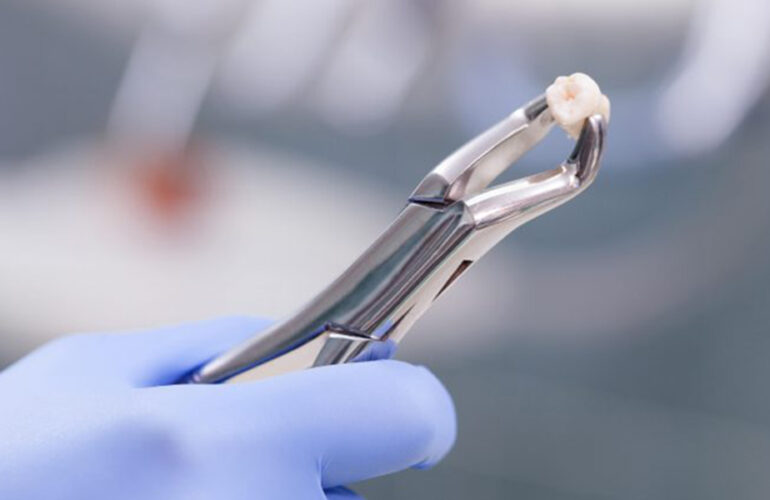
After tooth extraction, the pain is expected to decrease as the days pass. However, in some patients, pain that decreased in the first days may start again, more severely, a few days later. One of the most common causes of this situation is dry socket, medically known as alveolitis. Although it can be quite painful, relief can usually be achieved in a short time with appropriate treatment, and the risk can be reduced with some precautions. Knowing the answers to the questions of what dry socket is, how it is recognized and how it is prevented helps you go through the post-extraction period more consciously. As DijiDent Oral and Dental Health Polyclinic, we offer our patients in Türkiye a clear guide on this topic.
What Is Dry Socket?
After a tooth is extracted, a blood clot forms in the extraction socket. This clot protects the bone and nerve endings beneath it and is necessary for healing to begin. Dry socket is a painful condition that occurs when the bone is left exposed as a result of this clot dissolving early, becoming dislodged or never forming. It is different from an infection; however, food debris and bacteria accumulating in the area can increase the pain.
Symptoms
- Delayed severe pain: Throbbing pain that usually begins or increases two to four days after the extraction.
- Radiating pain: Pain spreading to the ear, temple, eye or neck.
- Empty-looking socket: A gap or a whitish bone surface being seen in the extraction socket instead of a clot.
- Bad smell and taste: An unpleasant smell and taste in the mouth.
- Limited response to painkillers: Everyday painkillers not providing sufficient relief.
With dry socket, marked facial swelling and high fever are generally not expected. If these symptoms are present, an evaluation for infection is necessary.
In Whom Is It More Common?
- Smokers: It is one of the most important risk factors; the sucking motion and chemical effects can disturb the clot.
- Lower molar extractions: It is more common especially after the surgical extraction of impacted wisdom teeth.
- Difficult and traumatic extractions: Long surgical procedures can increase the risk.
- Oral contraceptive use: Some studies have reported that the risk may increase.
- Previous history of dry socket: Those who have experienced it before may be more likely to experience it again.
- Poor oral hygiene and infection in the area: Inflammation in the area before the extraction can increase the risk.
- Not following recommendations: Vigorous rinsing, straw use and spitting.
How Is Dry Socket Treated?
When dry socket is suspected, it is recommended that you contact the clinic. Treatment is generally simple and effective:
- Cleaning the area: The extraction socket is gently cleaned of accumulated food debris and irrigated with an antiseptic solution.
- Soothing dressing: A dressing material that eases pain and protects the area can be placed in the socket.
- Pain management: Your dentist recommends suitable painkillers.
- Check-ups: The dressing is renewed within a few days if necessary.
- Home care: Your dentist can show you how to gently clean the area with lukewarm salt water or a recommended solution.
After treatment, the pain often decreases markedly in a short time. Healing progresses as the socket fills with new tissue.
How Is Dry Socket Prevented?
Before the Extraction
- Quit or take a break from smoking: Stay away from smoking for as long as possible before and after the extraction.
- Share your health information: Tell your dentist about the medications you use and any previous history of dry socket.
- Oral hygiene: Oral cleaning before the extraction and, if necessary, an antiseptic mouthwash on the dentist’s recommendation can reduce the risk.
After the Extraction
- Do not rinse or spit in the first 24 hours: This helps the clot stay in place.
- Do not use a straw: The suction force can dislodge the clot.
- Do not smoke: Avoid it completely, especially in the first days.
- Avoid hard and crumbly foods: This prevents food from filling the area and damaging the clot.
- Do not touch the area: Do not probe the socket with your tongue or finger.
- Follow the recommended oral care: From the second day onward, clean gently as your dentist recommends.
How Long Does Healing Take?
After treatment begins, the pain usually decreases markedly within a few days. The socket completely filling with new tissue, however, may take somewhat longer than after a normal extraction. During this time, following the cleaning and check-up appointments your dentist recommends helps healing progress steadily.
The Difference Between Dry Socket and Infection
In dry socket, pain is at the forefront, and marked swelling, high fever or purulent discharge are generally not seen. In infection, on the other hand, increasing swelling, redness, fever and purulent discharge are more pronounced. In both cases, it is recommended that you contact the clinic; the correct distinction is made through examination.
Do Not Worry, Get in Touch
Dry socket can be quite uncomfortable; however, with appropriate treatment it usually heals without leading to a permanent problem. If your pain after extraction is increasing instead of decreasing, you can contact DijiDent without waiting for your check-up date.
Frequently Asked Questions
It is a painful condition that occurs when the bone is left exposed as a result of the early loss of the blood clot in the extraction socket.
It is usually noticed by an increase in pain two to four days after the extraction.
It can heal over time; however, treatment markedly reduces the pain and supports healing. It is recommended that you contact the clinic.
Yes, smoking is one of the most important risk factors for dry socket.
It is not directly an infection; however, bacteria can increase the pain. If there is fever and marked swelling, infection is evaluated.
Do not wait out increasing pain after extraction.
If your pain after extraction is increasing instead of decreasing, contact us. Let us evaluate your condition quickly and provide relief at DijiDent Oral and Dental Health Polyclinic.
This content is for general information purposes and does not replace an examination by a dentist. Medications should be used on a physician’s recommendation.