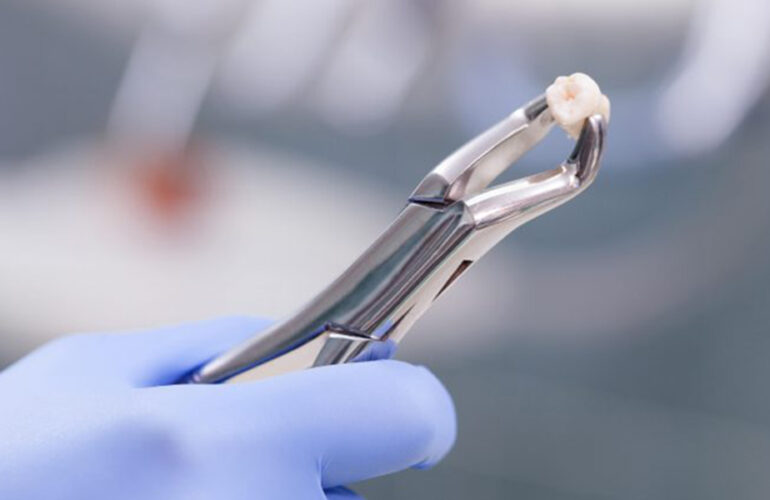
One of the most frequently asked questions after tooth extraction is when and what can be eaten. Correct nutrition helps protect the blood clot that forms in the extraction socket, reduce bleeding and pain, and support healing. Wrong choices, on the other hand, can restart bleeding or pave the way for painful conditions such as dry socket. Following simple but important rules about nutrition after extraction allows you to get through the healing period much more comfortably. As DijiDent Oral and Dental Health Polyclinic, we have prepared a day-by-day, practical nutrition guide for our patients in Türkiye.
Wait Until the Anesthesia Wears Off
The extraction is done under local anesthesia and the numbness can last a few hours. Eating during this time can cause you to unknowingly bite your lip, cheek or tongue or to burn yourself with hot foods. Do not eat solid food until the numbness has completely worn off. During this time, you can drink room-temperature water if necessary; do not use a straw.
The First 24 Hours: Cold and Soft
After the anesthesia wears off, on the first day prefer cold or lukewarm, soft foods that require no chewing. Cold foods can soothe the area and help control bleeding by constricting the blood vessels.
- Suitable options: Yogurt, ayran (yogurt drink), pudding, milk pudding, plain ice cream, cold fruit purée, lukewarm-cold soups.
- To avoid: Hot soups and drinks, spicy and acidic foods, alcohol, carbonated drinks.
If you are going to have ice cream, prefer plain types that do not contain nuts, biscuit pieces or hard particles.
Days Two and Three: Soft and Lukewarm
After the bleeding has stopped and the swelling begins to decrease, you can move on to lukewarm and soft foods. Take care to chew on the side opposite the extraction site.
- Protein: Soft-boiled or scrambled eggs, curd cheese, soft cheeses, mashed beans.
- Carbohydrates: Mashed potatoes, oatmeal, soft-cooked pasta, rice.
- Vegetables and fruit: Well-cooked and mashed vegetables, bananas, avocados, ripe fruit purées.
- Soups: Lukewarm lentil, vegetable or chicken soup (without pieces or with small pieces).
The First Week: A Gradual Transition
As the days pass and the pain decreases, you can gradually move on to foods that require more chewing. Soft-cooked fish, minced meat dishes, well-cooked vegetables and soft bread are suitable for this period. After surgical extractions, this transition may take somewhat longer; follow your dentist’s recommendations.
Foods and Habits to Avoid
- Hard and crumbly foods: Chips, crackers, nuts, popcorn and seeds can get into the extraction socket.
- Sticky foods: Caramel, chewing gum and Turkish delight can dislodge the clot.
- Spicy and acidic foods: These can irritate the area.
- Very hot foods and drinks: These can increase bleeding in the first days.
- Straw use: The suction force can disturb the clot and increase the risk of dry socket.
- Alcohol and smoking: These delay healing and increase the risk of complications.
Protein Drinks and Smoothies
Protein drinks, smoothies and milk-based drinks can be useful in ensuring adequate nutrition; however, they should be drunk from a glass, without a straw. Drinks made from fruits with pips or seeds (such as strawberries, blackberries and kiwis) should not be preferred in the first days so that small particles do not get into the socket.
Special Situations
Diabetes
Relying heavily on options such as sugary pudding, ice cream and fruit juice while eating soft foods can raise blood sugar. Prefer options containing protein and fiber, such as unsweetened yogurt, eggs, curd cheese and vegetable soups, and measure your blood sugar more frequently.
Children
In children, it is important not to give food until the anesthesia wears off and to supervise against lip and cheek biting. Afterwards, options such as plain ice cream, yogurt and lukewarm soup can be preferred.
A Sample First-Day Menu
- After the anesthesia wears off: Room-temperature water and cold yogurt.
- Lunch: Lukewarm, smooth vegetable soup and ayran.
- Snack: Plain milk pudding or fruit purée.
- Dinner: Mashed potatoes, soft curd cheese and a lukewarm-cold drink.
This is only an example; your dentist may offer different recommendations according to your personal health condition and the scope of the extraction.
The Importance of Adequate Nutrition
Avoiding eating because of pain or swelling can slow down the healing process. Protein, vitamin and fluid intake are necessary for tissue repair. A soft but balanced diet helps you maintain your energy level and support healing.
Oral Care After Eating
Do not rinse vigorously in the first 24 hours. From the second day onward, after meals you can prevent food debris from accumulating in the area by gently rinsing your mouth with lukewarm salt water as your dentist recommends. Continue brushing your other teeth; do not let the brush touch the extraction site directly in the first days.
Frequently Asked Questions
You can start with soft and cold-lukewarm foods after the effect of the anesthesia has completely worn off.
On the first day, plain ice cream without pieces can be eaten; its coldness can be soothing.
It is not recommended on the first day; afterwards, it can be consumed lukewarm.
The suction force can dislodge the blood clot and increase the risk of dry socket.
Usually, you return gradually within a few days to a week; after surgical extractions, the period may be longer.
Correct nutrition is a helper for fast healing.
Contact us with your questions about your healing after extraction. Let us offer you personalized recommendations at DijiDent Oral and Dental Health Polyclinic.
This content is for general information purposes and does not replace an examination by a dentist. Recommendations specific to your procedure are given separately by your dentist.