The thought that baby teeth will be replaced anyway often leads to treatment being postponed or the tooth being extracted early. Yet baby teeth take on important tasks for the child’s eating, speech development and the permanent teeth coming from underneath erupting in the correct position. One of the methods used to preserve a baby tooth affected by deep caries or infection is root canal treatment in baby teeth. As DijiDent Oral and Dental Health Polyclinic, we clearly explain to families in Türkiye why and how this treatment is done.
Why Is It Important to Preserve Baby Teeth?
- Holding space: Baby teeth hold space so that the permanent teeth coming from underneath can erupt in the correct position. When they are lost early, the neighboring teeth may shift into the gap and there may be no room left for the permanent tooth to erupt.
- Nutrition: Painless and functional teeth contribute to the child eating sufficiently and in a balanced way.
- Speech: Front baby teeth play a role in pronouncing some sounds correctly.
- General health: Untreated infections can lead to pain, swelling and sleep disturbance.
- Protecting the permanent tooth: An infection at the root tip of a baby tooth can affect the enamel of the permanent tooth developing beneath it.
Some baby teeth, especially the back molars, can remain in the mouth until the child is 10–12 years old. For this reason, a baby molar lost early in a 5–6-year-old child can mean a gap that will last for years.
Pulp Treatments Applied to Baby Teeth
Pulpotomy
It is applied when the caries has reached the pulp but the inflammation is limited only to the upper part of the pulp. The pulp tissue in the crown part of the tooth is removed, the healthy tissue in the root canals is preserved and the area is covered with a biocompatible material. The tooth is then completed with a durable restoration. It is the most frequently applied pulp treatment in baby teeth.
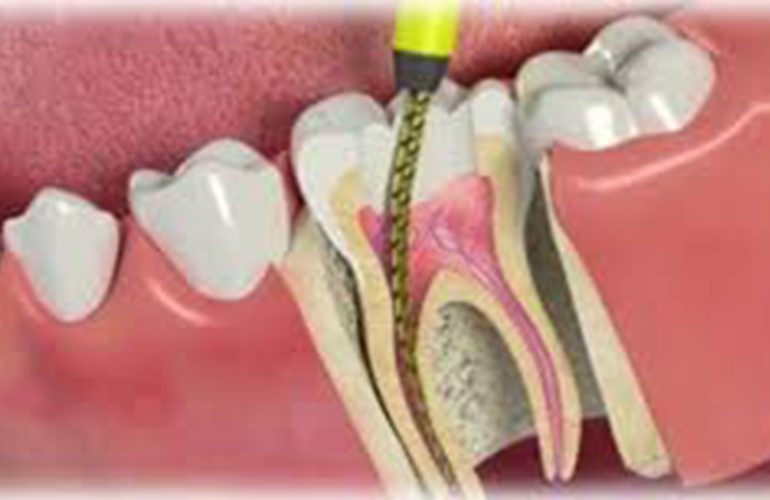
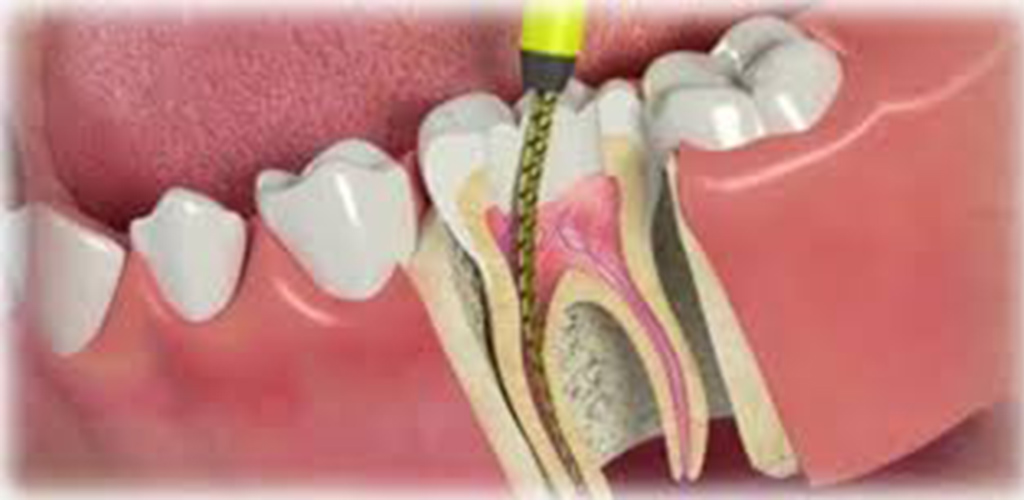
Pulpectomy (Baby Tooth Root Canal Treatment)
If the inflammation or infection has also spread to the root canals, the pulp tissue is removed completely. After the canals are cleaned, they are filled with a special material that can adapt to the natural root resorption of the baby tooth and can be absorbed by the body. This feature allows the baby tooth to fall out naturally when the time comes and the permanent tooth to erupt.
Permanent Restoration
In baby molars that have undergone pulp treatment, prefabricated stainless steel or aesthetic pediatric crowns are usually preferred to prevent the tooth from fracturing and to ensure sealing. In suitable cases, a filling may also be sufficient.
In Which Situations Is Extraction Preferred?
In situations where the tooth is too destroyed to be restored, root resorption has progressed greatly, the infection poses a serious risk to the permanent tooth germ or the time for the tooth to fall out is very close, extraction may be more appropriate. When a baby molar is extracted early, space maintainer appliances are considered to preserve the gap.
When deciding, the child’s age, the estimated time remaining until the tooth falls out and the developmental stage of the permanent tooth coming from underneath are evaluated radiographically.
The Child’s Comfort During Treatment
In children, the success of treatment depends not only on the technical application but also on the child feeling safe. With the tell-show-do method, the instruments are introduced to the child in advance, the feeling of the needle is reduced with topical anesthetic gels and the procedure is explained in language suitable for the child’s age. An effort is made to keep the treatment time short and, if necessary, to divide it into more than one short session.
Recommendations for Parents
- Avoid frightening expressions: Use simple and positive language instead of words such as needle, hurt or pain.
- Do not use the language of rewards and threats: Presenting the dentist as a means of punishment can increase anxiety.
- Stay calm: Children easily sense their parents’ anxiety.
- Make early check-ups a habit: Check-ups done when there is no pain make the clinic a familiar place for the child.
Preventing Caries in Baby Teeth
Most situations requiring pulp treatment in baby teeth stem from caries that progress unnoticed. Since the enamel of baby teeth is thinner than that of permanent teeth, caries can progress faster. Giving milk or fruit juice in a bottle at night, frequent sugary snacks throughout the day and brushing done without adult supervision are the main factors that increase the risk of caries. Regular oral care starting with the eruption of the first tooth, fluoride applications, fissure sealants applied to molars in suitable cases and periodic check-ups are the most effective ways to protect baby teeth without the need for pulp treatment.
After Treatment
It is important to keep the child under supervision until the anesthesia wears off so that they do not bite their lip, cheek or tongue. Mild sensitivity usually decreases within a few days. In case of swelling, fever or increasing pain, the clinic should be informed. Regular check-ups are recommended to monitor the treated tooth and the development of the permanent tooth coming from underneath.
Frequently Asked Questions
Yes. Baby teeth take on important tasks such as holding space, eating and speech; some remain in the mouth until the age of 10–12.
An infection at the root tip can affect the enamel of the permanent tooth developing beneath it. This is why early treatment is important.
The procedure is done under local anesthesia. Age-appropriate approaches are used for the child’s comfort.
Neighboring teeth may shift into the gap and there may be no room left for the permanent tooth to erupt. If necessary, a space maintainer is applied.
Yes. The materials used in baby tooth canals are chosen to adapt to root resorption.
Small teeth take on big tasks.
Contact us to book an appointment to have your child’s baby teeth evaluated and determine the most suitable treatment. Let us offer your child a reassuring experience at DijiDent Oral and Dental Health Polyclinic.
This content is for general information purposes and does not replace an examination by a dentist. The choice of treatment is determined by the dentist according to the child’s age and the condition of the tooth.