As with every medical procedure, some undesirable situations can arise in root canal treatment even when it is carried out carefully. Most of these situations are rare and a significant proportion can be managed appropriately. Having clear information about broken instruments and other complications in root canal treatment allows you both to give informed consent before treatment and to avoid unnecessary anxiety if you encounter such a situation. As DijiDent Oral and Dental Health Polyclinic, we see discussing this subject transparently with our patients in Türkiye as the foundation of patient trust.
What Is Instrument Breakage in the Canal?
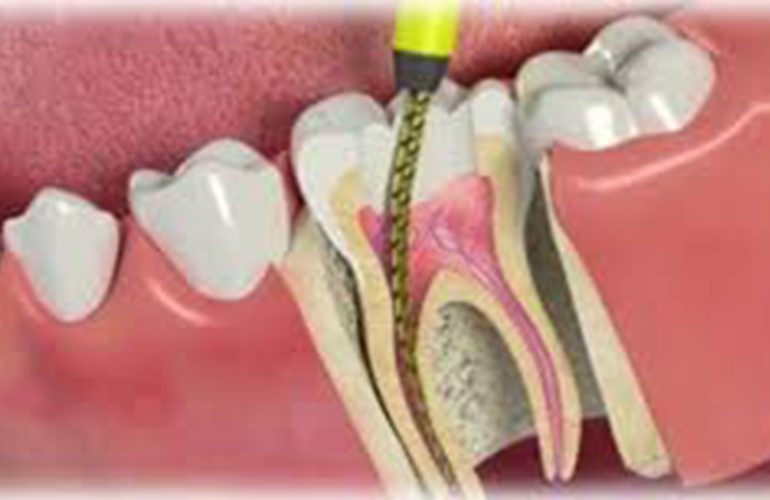
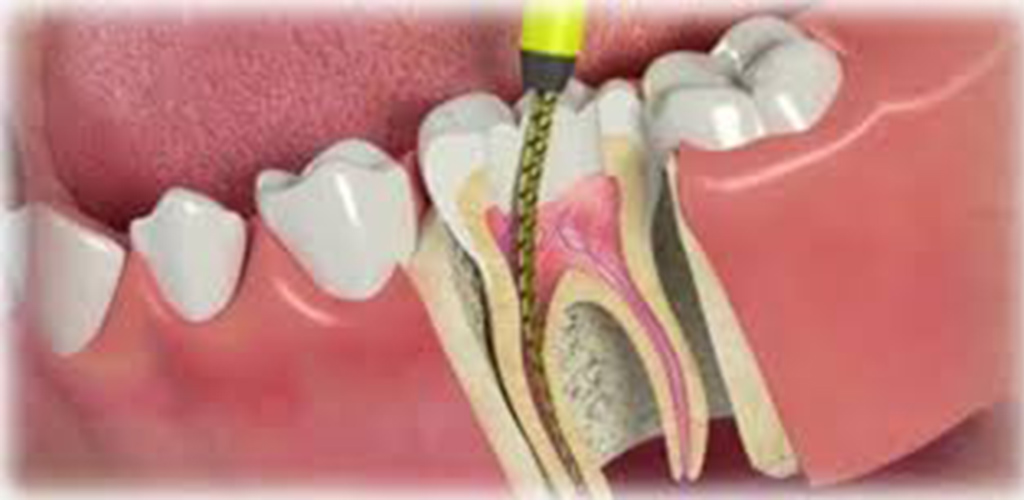
The files used to clean and shape the canals are very thin and flexible metal instruments. Especially in narrow, curved or calcified canals, a small piece of the file may break inside the canal as a result of fatigue or excessive strain. This risk can be reduced in the hands of experienced dentists and with instruments complying with single-use or limited-use protocols; however, it cannot be eliminated completely.
Does a Broken Instrument Harm Health?
Root canal files are usually produced from nickel-titanium or stainless steel and are considered compatible with body tissues. The broken fragment itself usually does not create a health problem. What really matters is whether the part of the canal beyond the point where the fragment broke could be sufficiently cleaned. For this reason, the stage of treatment at which the breakage occurred is an important factor determining the outcome.
How Is It Managed?
- Removing the fragment: The fragment can be attempted to be removed from the canal under magnification and with special ultrasonic instruments.
- Bypassing: The rest of the canal can be cleaned and filled by passing alongside the fragment.
- Incorporating the fragment into the filling: If the fragment is close to the end of the canal and the canal has been largely cleaned, it can be incorporated into the filling and monitored.
- Surgical methods: If the problem at the root tip persists, methods such as apical resection can be considered.
The choice is made according to the position of the fragment, the anatomy of the tooth, the presence of infection and the possible damage that removing the fragment would cause to the tooth. Informing the patient of the situation is important in terms of ethics and trust.
Other Possible Complications
Perforation
This is the formation of an unwanted opening in the canal or root wall. When noticed early, it can be closed with biocompatible repair materials. The outcome depends on the location and size of the perforation and how quickly it is repaired.
Extrusion of Filling Material from the Root Tip
A small amount of root canal filling material going outside the root tip can be seen on a radiograph. Small extrusions often cause no symptoms and are monitored with follow-up. In teeth close to the nerve canal in the lower jaw or in situations that cause symptoms, additional evaluation may be needed.
Extrusion of Solution
Canal irrigation solutions extruding from the root tip into the tissues is a rare situation and can cause sudden pain, swelling or bruising. This risk is reduced with suitable irrigation techniques and correct determination of canal length. In such a situation, your dentist immediately plans steps to manage the symptoms.
Numbness
Especially in lower molars, in situations where the root tips are close to the nerve canal, temporary numbness in the lip or chin may be seen. This risk is evaluated with imaging before treatment. If you feel numbness, it is important that you report it to your dentist without losing time.
Missed Canals
Additional canals found in some teeth may not be detected in the first treatment and may cause problems later. Magnification and three-dimensional imaging help reduce this risk.
Some of these situations are noticed during treatment, while others only come to light in check-up X-rays. In both cases, the patient needs to be informed and a follow-up plan created.
How Are Risks Reduced?
- Detailed preliminary evaluation: Root anatomy and neighboring structures are examined before treatment.
- Rubber dam isolation: The area is kept clean and the risk of instruments being swallowed is prevented.
- Electronic canal length measurement: It helps determine canal length correctly.
- Instrument use protocols: Using files the recommended number of times and with the recommended techniques reduces the risk of fracture.
- Magnification: Working under magnification in suitable cases increases control.
Follow-Up After a Complication
In teeth in which a complication has occurred, regular clinical and radiographic check-ups after the completion of treatment become important. At check-ups, whether the tooth gives symptoms, whether the bone tissue at the root tip is healing and whether the upper restoration is sealed are evaluated. In many cases, the tooth continues to function without problems. If healing does not progress as expected, options such as retreatment or surgical approaches can be planned in good time. For this reason, not neglecting your check-up appointments ensures that a possible problem is caught at an early stage.
Open Communication Is the Foundation of Trust
At DijiDent, we discuss possible risks with our patients before treatment, and when a complication occurs, we openly share the situation, the options and the follow-up plan. We also evaluate, with an independent and objective approach, the images of our patients who have been treated at another clinic and want a second opinion.
Frequently Asked Questions
Not always. Depending on the position of the fragment and the cleaning status of the canal, it can be removed, bypassed or monitored.
Root canal instruments are usually produced from materials compatible with tissues; the fragment itself usually does not create a health problem.
No. The outcome depends on the stage of the breakage and how well the canal could be cleaned. It is evaluated with follow-up.
Small extrusions often cause no symptoms and are monitored. If there are symptoms or it is close to a nerve, additional evaluation may be needed.
It is often temporary; however, it must be reported to your dentist and monitored.
Clear answers to your questions, trust in your treatment.
Contact us to book an appointment to get information before root canal treatment or a second opinion on your current treatment. Let us evaluate your situation transparently at DijiDent Oral and Dental Health Polyclinic.
This content is for general information purposes and does not replace an examination by a dentist. Complication risks and their management vary from person to person; the details should be discussed with your dentist.