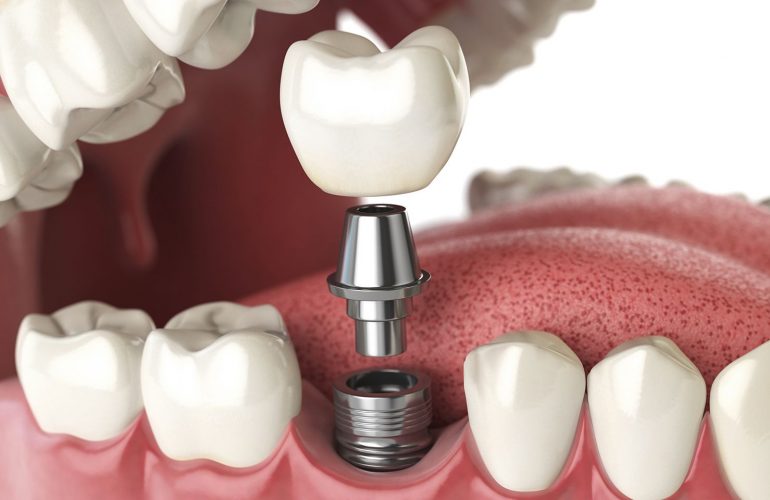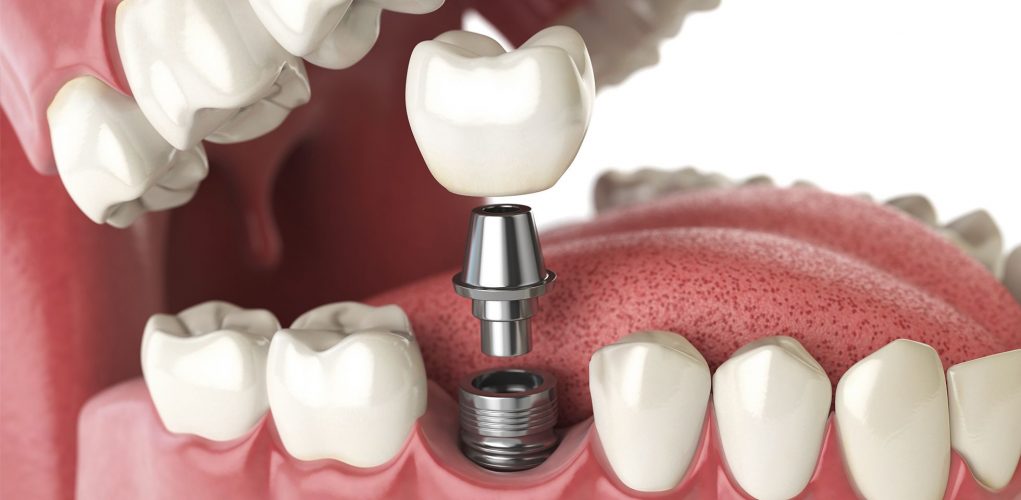
Although implant treatment has high success rates, one of the most important problems that can be encountered in the long term is inflammation of the tissues around the implant. When this inflammation reaches the bone, it is called peri-implantitis, and if left untreated, it can threaten the support of the implant. Knowing the answers to the questions of what peri-implantitis is, how it is recognized and how it is prevented helps you protect your implant for many years. As DijiDent Oral and Dental Health Polyclinic, we offer our patients in Türkiye an approach focused on early diagnosis and preventive follow-up.
What Is Peri-implantitis?
Peri-implantitis is the spread of inflammation that begins in the soft tissues around the implant to the bone supporting the implant, leading to progressive bone loss. It usually has a precursor stage: peri-implant mucositis, which affects only the soft tissue and does not involve bone loss. When mucositis is noticed early, it is often reversible; peri-implantitis, however, requires more extensive treatment.
Symptoms
- Bleeding: Bleeding around the implant during brushing or probing.
- Redness and swelling: Changes in the color and consistency of the gum around the implant.
- Purulent discharge: Pus or a bad taste coming from the gum margin.
- Gum recession: The implant surface or the connecting part becoming visible.
- Deepening pocket: An increase in pocket depth measured at check-ups.
- Bone loss: A drop in the bone level around the implant on radiographs.
- Mobility at an advanced stage: Loosening of the implant indicates serious loss of support.
Peri-implantitis usually does not cause pain at first. For this reason, many cases are noticed only at regular check-ups.
Causes and Risk Factors
The main cause is bacterial plaque accumulating around the implant. The following factors can increase the risk:
- Insufficient oral care and missed check-ups
- History of periodontitis
- Smoking
- Uncontrolled diabetes
- Prosthesis designs that are difficult to clean
- Cement residue remaining under the gum
- A non-ideal implant position and excessive loads
With cemented implant crowns, cement residue remaining under the gum can be a source of inflammation that is difficult to notice. For this reason, prosthesis design and cementation technique play an important role in prevention. In patients with a history of periodontitis, regular periodontal follow-up is additionally important, since the bacterial composition in the mouth can also affect the area around the implant.
How Is It Diagnosed?
At check-ups, the pocket depth around the implant is measured, and bleeding and signs of inflammation are recorded. Radiographic images are compared with previous records to evaluate changes in the bone level. For this reason, the baseline records taken when implant treatment is completed are very valuable for future comparisons.
Treatment Options
Non-Surgical Treatment
In the first stage, the implant surface and its surroundings are cleaned with special instruments that do not damage the implant. Antiseptic applications and, in situations deemed necessary, supportive medication treatments can be planned. Home care is reviewed, and the prosthesis design is modified if it makes cleaning difficult. This approach is often effective in mucositis and early-stage peri-implantitis.
Surgical Treatment
In cases that do not respond sufficiently to non-surgical treatment or that have advanced bone loss, the gum can be opened and the implant surface can be cleaned under direct vision. Depending on the shape of the bone loss, the tissues can be reshaped or, in suitable cases, regenerative methods with bone grafts can be applied.
Removal of the Implant
For implants with advanced bone loss that show mobility, removing the implant may be necessary. After the area has healed, a new treatment can be planned in suitable cases after re-evaluating the risk factors.
The treatment plan is determined individually according to the shape of the bone loss and the position of the implant.
Prevention: The Most Effective Treatment
- Gum treatment before the implant: If there is active periodontitis, it must be brought under control before the implant.
- Correct planning: Designing the implant and prosthesis to be cleanable with digital planning.
- Daily care: Cleaning around the implant every day with tools suitable for the prosthesis type.
- Regular check-ups: Professional evaluation and cleaning at intervals determined according to the level of risk.
- Managing risk factors: Quitting smoking and keeping blood sugar under control.
Why Is the Difference Between Mucositis and Peri-implantitis Important?
In the peri-implant mucositis stage, the inflammation is only in the soft tissue and there is no bone loss. At this stage, with professional cleaning and strengthened home care, the tissues can often return to a healthy state. In peri-implantitis, however, lost bone generally does not return on its own and treatment becomes more extensive. For this reason, paying attention to early signs such as bleeding and not neglecting check-ups is the most effective way to protect the implant.
Follow-Up After Treatment
Implants that have been treated for peri-implantitis are followed up at more frequent intervals so that the disease does not recur. The success of the treatment depends largely on the care and check-ups maintained afterwards. At DijiDent, we include our implant patients in a personalized follow-up program even after treatment has been completed.
Frequently Asked Questions
It is the spread of inflammation around the implant to the bone, leading to progressive bone loss.
It usually does not cause pain at first; for this reason, regular check-ups are important.
When intervened in early, the aim is to bring the inflammation under control. The result depends on the extent of the bone loss.
The risk can be reduced with good oral care, regular check-ups, quitting smoking and protecting gum health.
In suitable cases, a new treatment can be planned after the area has healed.
Protecting your implant begins with noticing problems early.
Contact us to book an appointment to have the tissues around your implants checked. Let us follow up your implants regularly together at DijiDent Oral and Dental Health Polyclinic.
This content is for general information purposes and does not replace an examination by a dentist. Treatment options and results vary from person to person; the decision is made after clinical evaluation.