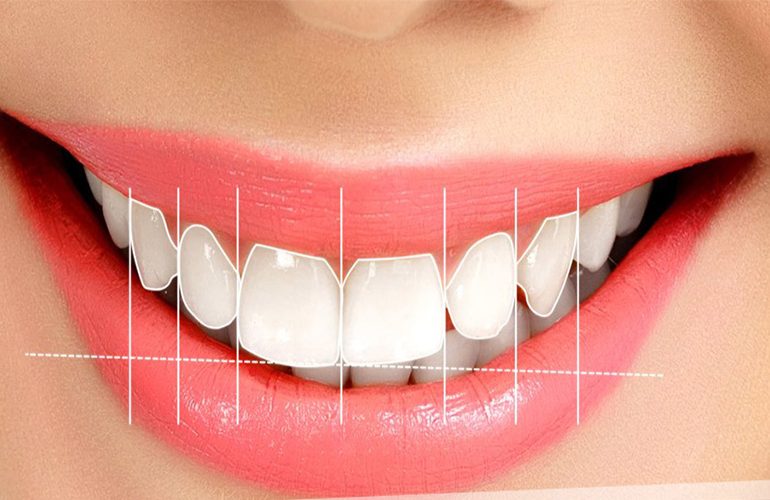
Aesthetic treatment does not end when the restorations are cemented; the real protection period begins at that point. The longevity of the result depends more on your daily habits and regular check-ups than on the material used. Care after smile design is an integral part of the treatment plan. As DijiDent Oral and Dental Health Polyclinic, when we complete treatment in Türkiye we also give you a personalized protection program.
The First Days
Mild sensitivity in the first days after cementation is normal and usually decreases in a short time. With composite applications, it is recommended that you stay away from dark-colored drinks and foods for the first 48 hours. If you feel a distinct contact when biting or an edge bothers your tongue, do not wait; these are situations resolved in a short check-up session.
Daily Care
- Brushing: Twice a day, with a soft brush and a non-abrasive toothpaste.
- Interdental cleaning: Using dental floss or an interdental brush is decisive for gum health at crown margins.
- The gum line: Do not skip this area when brushing; it is the most sensitive point of restorations.
- Avoid hard brushing: What matters is not pressure but correct technique and duration.
- Water flosser: If your dentist recommends it, it can support interdental cleaning.
A significant proportion of the darkening seen at crown margins is related to plaque accumulating in that area and developing gum inflammation. In other words, care is not only aesthetic but a tissue- related necessity.
Slowing Down Staining
Porcelain restorations are resistant to staining; however, their surfaces can become dull over time. Composite applications, on the other hand, stain more easily. Coffee, tea, red wine and cigarettes accelerate this process. You do not need to give them up completely; rinsing your mouth with water after consumption and having polishing done at regular check-ups make a difference. Since your natural teeth may change color over time, a shade difference may form between them and your crowns; this is evaluated at check-ups.
Preventing Fractures
The most common cause of damage to restorations is excessive force. We recommend avoiding these habits: cracking hard-shelled foods with the front teeth, chewing ice, nail biting, pen chewing, and opening bottles or packaging. These are risky for natural teeth as well; with restorations, the consequence is more certain.
Sports and Use of a Mouthguard
If you are involved in contact sports, using a custom-made mouthguard is recommended. Aesthetic restorations are not more resistant to impact than natural teeth; a single contact can damage work spanning years. The guard can be produced from your digital impression and provides a comfortable fit.
If You Have a Teeth Clenching Habit
Bruxism is one of the most important factors determining the lifespan of aesthetic restorations. If this habit is present, the use of a protective night guard is planned. The guard is not an add-on made after treatment but part of the plan. When it is not used, even the most carefully made restoration may be damaged earlier than expected.
Eating Habits
Acidic drinks can affect not only natural teeth but also the margin areas where restorations are bonded. Frequent acid contact can lead to weakening of the tooth tissue at the crown margin. Limiting fizzy drinks, rinsing the mouth with water after consuming them and waiting for a while instead of brushing immediately are protective habits. In addition, a pattern of constant snacking is not recommended, as it causes the oral environment to remain acidic for a long time.
Check-Ups
Even if you have no complaints, you need to come for regular check-ups. At check-ups, restoration margins, gum health, occlusal contacts and the condition of your guard are evaluated. A small marginal gap noticed early can be resolved with a simple intervention, while a delayed situation may require the restoration to be renewed. It is important that the method used during professional cleaning is suitable for the restoration surface; for this reason, tell the team performing the cleaning which restorations you have.
Frequently Asked Questions
Toothpastes with abrasive content can dull the restoration surface. It is recommended that you consult your dentist on toothpaste selection.
No. Porcelain and composite are not affected by whitening. The shade decision is made before treatment.
Your dentist determines an interval specific to you; at least once a year is usually recommended.
No. When used correctly, it does no harm and is necessary for gum health.
It is usually suitable. Models with soft heads and pressure warnings may be preferred.
Evaluation is needed. The cause may be gum recession, a marginal gap or plaque accumulation.
Your treatment is finished; the protection period begins.
Contact us to plan your check-up appointment and create your personalized care program. Let us preserve your result together at DijiDent Oral and Dental Health Polyclinic.
This content is for general information purposes. Care recommendations and check-up frequency are determined individually by your dentist.