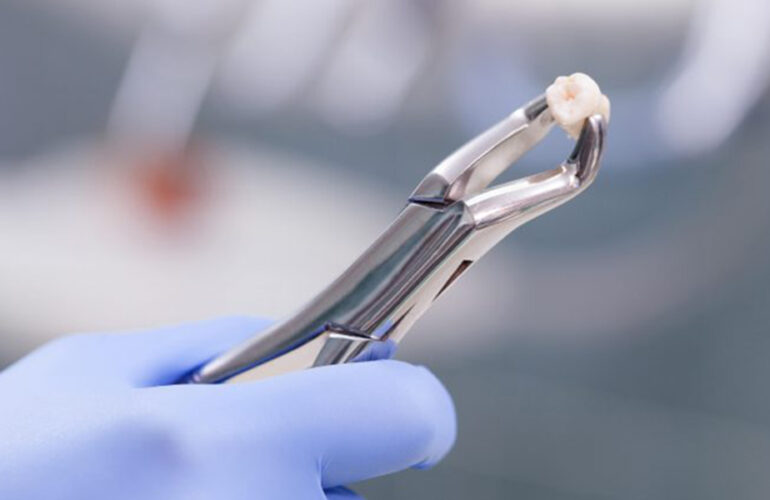
After tooth extraction, especially surgical extractions, some pain and sensitivity are expected for a while. One of the most important ways to get through this period comfortably is to use painkillers correctly. However, like any medication, painkillers can have side effects and should be used with care in some health conditions. Knowing the basic principles of painkiller use after extraction helps you both control your pain effectively and avoid unnecessary risks. As DijiDent Oral and Dental Health Polyclinic, we have prepared a general guide on this topic for our patients in Türkiye. This guide does not replace your dentist’s recommendations specific to you.
The Course of Pain After Extraction
Pain usually begins after the effect of the anesthesia wears off and is more pronounced in the first one or two days. It gradually decreases over the following days. While pain after simple extractions often remains mild, it may be more pronounced after surgical procedures such as impacted tooth extractions. Pain increasing instead of decreasing on days two to four may require evaluation for dry socket or infection.
Basic Principles of Painkiller Use
Follow Your Dentist’s Recommendation
After the extraction, your dentist recommends the appropriate painkiller and how to use it according to the scope of the procedure and your health condition. Following these recommendations, and the specified doses and intervals, is the most important rule. Do not exceed the recommended dose and do not change medications on your own.
Timing Is Important
Painkillers are generally more effective when taken before the pain becomes severe. Your dentist may recommend taking the first dose before the effect of the anesthesia wears off and using it at regular intervals for the first one or two days. Waiting for the pain to become unbearable can make control more difficult.
Do Not Combine Multiple Medications on Your Own
In some situations, physicians may recommend painkillers with different mechanisms of action together or alternately in a specific regimen. However, using two medications from the same group together or combining medications on your own can increase the risk of side effects. Be sure to consult your physician or pharmacist before using more than one medication.
Situations Requiring Care
If any of the following situations apply to you, the choice of painkiller requires special care. Be sure to share this information with your dentist before the extraction:
Stomach and intestinal problems: A history of ulcers, gastritis or stomach bleeding; some painkillers can irritate the stomach.
Blood thinner use: Some painkillers can increase the risk of bleeding.
Kidney and liver diseases: These can affect the elimination of medications from the body.
Heart disease and high blood pressure: Some medications can negatively affect these conditions.
Asthma: In some people, certain painkillers can trigger asthma attacks.
Pregnancy and breastfeeding: Some painkillers are not recommended during these periods.
Medication allergies: If you have previously had an allergic reaction to medications, be sure to state it.
Alcohol use: Consuming alcohol together with some painkillers can pose a risk to the liver and stomach.
Painkiller Use in Children
In children, the type and dose of painkiller are determined according to the child’s age and weight. Do not use medications made for adults in children, and remember that some painkillers are not recommended for children. Be sure to consult your dentist, pediatrician or pharmacist for the choice of medication.
Safe Storage of Medications
Store painkillers in a place out of reach of children. Do not save medications left over after treatment to use on your own later for another complaint; you can hand in expired medications to pharmacies.
Antibiotics Are Not Painkillers
Antibiotics are not used to relieve pain after extraction. Antibiotics are prescribed only in situations the dentist deems necessary, against the risk of infection. Do not use antibiotics left at home on your own.
Drug-Free Pain Control Methods
Cold application: Applying a cold compress to the cheek intermittently on the first day can reduce pain and swelling.
Keeping the head elevated: Using an extra pillow when lying down.
Rest: Avoiding intense activity in the first days.
Suitable nutrition: Lukewarm and soft foods prevent irritation of the area.
Staying away from smoking: Smoking raises the risk of dry socket, which can increase pain.
If the Pain Cannot Be Controlled
If the pain cannot be brought under control despite the recommended medications, increases as the days pass, or is accompanied by symptoms such as fever, increasing swelling, a bad odor and discharge, contact your clinic. These symptoms may indicate a condition that requires treatment, such as dry socket or infection. Do not try to control the pain solely by increasing the medication dose.
Watch for Side Effects
If you notice symptoms such as stomach pain, black stools, a rash, itching, shortness of breath or facial swelling while using painkillers, stop using the medication and contact a health institution immediately.
Frequently Asked Questions
Use the medication your dentist recommends according to your health condition; do not choose medications on your own.
It is generally more effective when taken before the pain becomes severe; follow the timing your dentist recommends.
Only if your physician or pharmacist recommends it. Do not combine medications on your own.
It is usually more pronounced in the first one or two days and gradually decreases.
Instead of increasing the dose, contact your clinic; evaluation for dry socket or infection may be necessary.
The right guidance for pain-free healing.
Contact us with your questions about pain management or medication use after extraction. Let us follow your healing closely at DijiDent Oral and Dental Health Polyclinic.
This content is for general information purposes and does not replace the recommendation of a physician or pharmacist. The choice and dose of medication should only be determined by your physician.