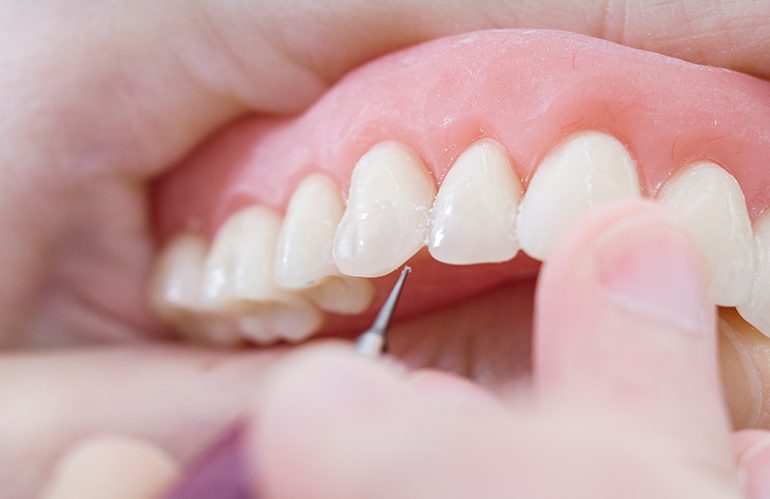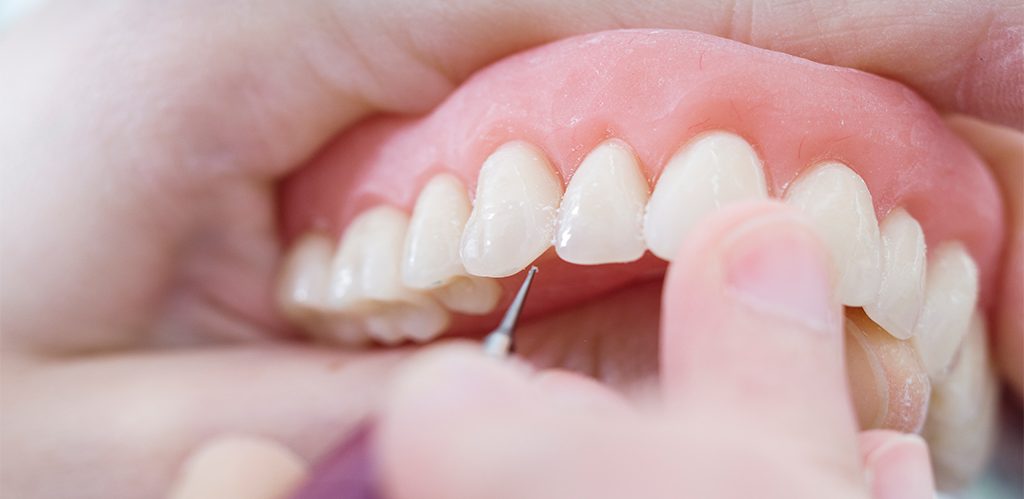
Sensitivity felt after a new crown or bridge is fitted is one of the situations patients worry about most. In most cases this is a temporary reaction and decreases on its own; however, in some cases it requires intervention. Regarding sensitivity after a crown, it is important to know which symptom is expected and which is a warning sign. As DijiDent Oral and Dental Health Polyclinic, in Türkiye we explain this distinction to our patients from the start.
Expected Sensitivity
When a tooth is prepared for a crown, part of the outer layer is removed and the dentin layer is exposed. Dentin is a living tissue that contains microscopic tubules and is sensitive to external stimuli. For this reason, cold sensitivity may be seen after preparation and in the first days after the permanent restoration is fitted.
This type of sensitivity is usually short-lived: when the stimulus is removed, the pain also goes away. It is expected to decrease gradually within days.
Warning Signs
- Significant pain when biting: It usually originates from the bite and requires adjustment.
- Pain that starts spontaneously: Throbbing that comes without any stimulus, especially increasing at night.
- Long-lasting sensitivity: Pain lasting for minutes after the stimulus is removed.
- Heat sensitivity: Pain triggered by heat rather than cold.
- Swelling in the gums: It may be a sign of an inflammatory process.
- A complaint that increases over time: Pain that intensifies instead of decreasing. If one of these symptoms is present, do not wait; an evaluation is needed.
Possible Causes
Bite Height
This is the most common and most easily solved cause. If the restoration makes contact before the other teeth, that tooth takes excessive load with every bite. This leads both to pain and, over time, to strain on the tooth. A short bite adjustment usually eliminates the complaint. If you feel a difference in your new crown when biting, be sure to report it.
Dentin Sensitivity
This is the reaction of the dentin layer exposed after preparation. It decreases with protective applications and over time.
Caused by the Temporary Restoration
If the temporary crown is not fully sealed or has fallen out, the tooth surface underneath remains exposed to stimuli. If your temporary restoration falls out, go to the clinic without waiting.
Pulp Reaction
In some cases, the living tissue of the tooth may react due to preparation, deep caries or previous trauma. If the complaint persists and increases, root canal treatment may come into consideration. This does not mean an error; it is related to the biological response of the tooth. On the other hand, early evaluation makes it easier to manage the process.
Caused by the Gums
If the crown margin presses on the gums or if there is inflammation in the area, sensitivity may be felt. In this case, the margin fit and cleaning are evaluated.
The Situation with Bridges
In bridge prostheses, sensitivity may be concentrated in one of the abutment teeth. Since the bridge is a single piece, the force generated is transferred to both abutment teeth; for this reason, the painful tooth may not always be the source of the problem. In the evaluation, the entire bridge and the bite relationship are examined together.
What Can Be Done at Home?
During the sensitivity period, avoiding very hot and very cold foods, not straining the relevant side and using the desensitizing toothpastes your dentist recommends may provide relief. However, these are temporary support; if there is pain when biting, home measures do not solve the problem, a bite adjustment is needed.
How Is a Bite Adjustment Done?
Your dentist marks the contact points of the teeth with the help of colored paper. By examining the marks formed during biting and lateral movements, the area making early contact is identified and corrected in very small amounts. The procedure is painless, does not require anesthesia and is usually completed in a few minutes. The surface is then polished.
How Long Does It Take to Go Away?
It would not be right to give an exact duration. Simple dentin sensitivity usually decreases significantly within days. A bite-related complaint, on the other hand, is resolved as soon as the adjustment is made. In sensitivity that continues for a long time, the cause should be investigated; waiting may negatively affect the condition of the tooth.
Frequently Asked Questions
Yes, since temporary restorations are not fully sealed, sensitivity may be more pronounced during this period.
Mild sensitivity in the first days is normal; increasing pain or pain when biting should be evaluated.
In most cases it is not needed. It only comes into consideration if the pulp reaction persists.
It can be removed if necessary; however, most complaints are resolved without the need for removal.
It can help with dentin sensitivity; it is ineffective for a bite problem.
Do not wait if the pain is increasing, bothering you at night or occurring when you bite.
Most sensitivity is resolved with a short check-up.
If you feel pain or a difference when biting with your new restoration, do not wait. Contact us to book an appointment; let us evaluate your bite at DijiDent Oral and Dental Health Polyclinic.
This content is for general information purposes. The cause and treatment of sensitivity are determined by your dentist after the clinical examination.