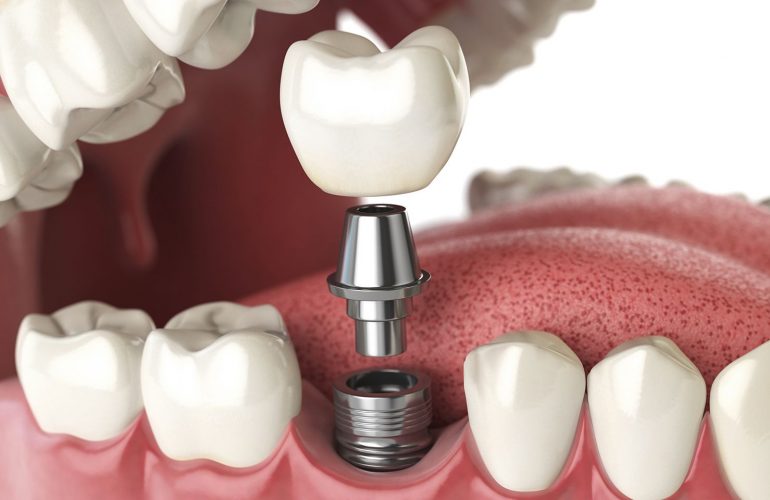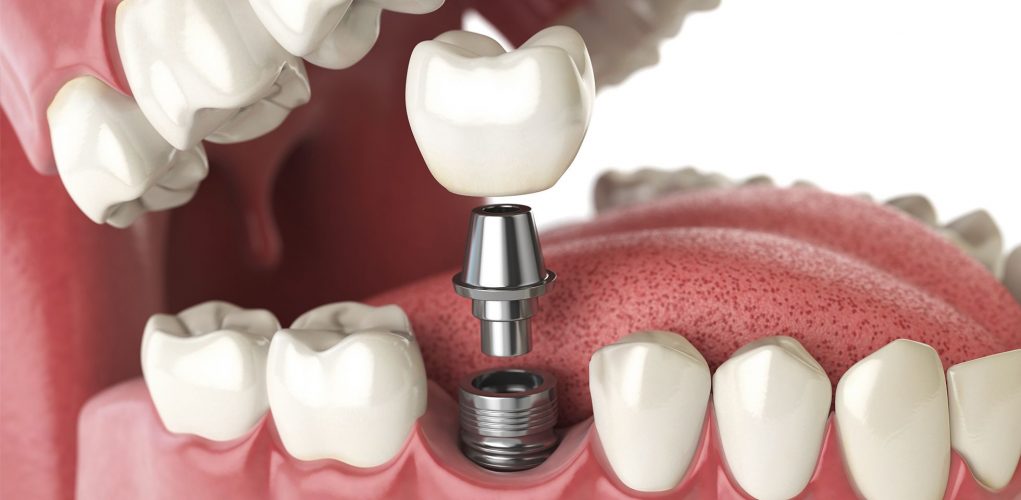
Implant treatment does not end with the attachment of the permanent teeth; from this point on, the follow-up period begins, aimed at the implant remaining healthy for many years. Since problems around implants often begin without showing symptoms, regular check-up examinations are of great importance for early diagnosis. Knowing why implant check-up examinations are necessary and what is done at these examinations provides strong motivation not to miss your appointments. As DijiDent Oral and Dental Health Polyclinic, we monitor our implant patients in Türkiye with a personalized follow-up program.
Why Are Check-Ups Necessary?
Implants do not decay; however, the gum and bone around them can become inflamed. Problems such as peri-implant mucositis and peri-implantitis are usually painless at first. In addition, screw loosening, porcelain cracks or bite changes in the superstructure may also appear over time. Regular check-ups ensure that these problems are noticed at the stage when they are small and easily manageable.
What Is Done at a Check-Up Examination?
Updating the Health History
You are asked whether there have been any changes in your general health, the medications you use or your habits since the last check-up. A diabetes diagnosis, new medications or changes in smoking can affect the follow-up plan.
Evaluation of the Tissues Around the Implant
The color, consistency and shape of the gum around the implant are examined. Pocket depth is gently measured with a suitable probe and whether there is bleeding is recorded. These measurements are compared with previous records to monitor changes.
Checking the Superstructure
The crown, bridge or prosthesis is checked for loosening, cracks, fractures and wear. The bite is evaluated and adjusted if necessary. In removable dentures, wear of the retention parts is checked and they are renewed when necessary.
Radiographic Evaluation
- rays are taken at certain intervals to monitor changes in the bone level. An X-ray is not necessary at every check-up; the frequency is determined according to your risk status and clinical findings. The baseline X-ray taken when implant treatment is completed forms the basis for subsequent comparisons.
Professional Cleaning
Deposits in areas that cannot be reached at home are cleaned with special instruments that do not damage the implant surface and the superstructure. In full-arch fixed prostheses, when necessary, the prosthesis is removed and both its lower surface and the area around the implants are cleaned.
Review of Home Care
The cleaning tools you use and your technique are evaluated. Areas where plaque accumulation is heavy are shown, and interdental brush sizes or tools are updated if necessary.
Additional Checks for Removable Dentures
In implant-supported removable dentures, the retention parts can wear over time and reduce the retention of the denture. At check-ups, the condition of these parts is evaluated and they are renewed when necessary. In addition, the fit of the denture base to the gum is checked; depending on changes in bone and gum structure, the denture may need to be refitted.
How Often Are Check-Ups Needed?
The check-up interval is not the same for everyone. In the first period after treatment is completed, check-ups may be planned more frequently. After that, the interval is determined according to the person’s risk profile. In general, while longer intervals may be sufficient for low-risk patients, more frequent check-ups may be recommended in the following situations:
- History of periodontitis
- Smoking
- Diabetes or other systemic diseases
- Hard-to-clean restorations such as full-arch fixed prostheses
- Having previously experienced inflammation around an implant
- Clenching habit
What to Pay Attention to Between Check-Ups
Situations that require you to contact the clinic without waiting for the check-up date are: bleeding, swelling or discharge around the implant; a bad taste or odor; gum recession; a feeling of looseness or clicking in the superstructure; porcelain fracture; pain when chewing or a change in the bite.
Possible Consequences of Skipping Check-Ups
Neglecting check-ups for a long time can cause inflammation that has started around the implant to progress unnoticed. Mucositis that could be managed with professional cleaning alone in the early period can, over time, turn into peri-implantitis that progresses with bone loss and requires more extensive treatment. Similarly, an unnoticed screw loosening can cause damage to the implant components. Regular check-ups protect your implant and help you avoid more extensive treatments that may be needed in the future.
Follow-Up in a Different City or Country
You may need to continue your check-ups at a different clinic for reasons such as moving or living abroad. In this case, your implant card, treatment summary and images help your new dentist continue the follow-up properly. Sharing previous X-rays is especially important so that changes in the bone level can be compared.
Our Follow-Up Approach at DijiDent
We include our patients whose implant treatment has been completed in a follow-up program determined according to their risk profiles. We record the measurements obtained at each check-up digitally and compare them with previous records. Our aim is to contribute to your implants remaining healthy for many years by noticing problems before symptoms appear.
Frequently Asked Questions
Yes. Problems around implants usually do not show symptoms at first; regular check-ups allow early diagnosis.
The interval is determined by your dentist according to your risk profile; more frequent check-ups may be recommended for those with risk factors.
No. The frequency of X-rays is determined according to the risk status and clinical findings.
It may be necessary for the professional cleaning and evaluation of the lower surface of the prosthesis and the area around the implants.
Yes. Your implant card, treatment summary and images make it easier for your new dentist to continue the follow-up.
Regular follow-up is the secret of long-lasting implants.
Contact us to book an appointment to plan your implant check-up examination. Let us create your personalized follow-up program at DijiDent Oral and Dental Health Polyclinic.
This content is for general information purposes and does not replace an examination by a dentist. The check-up frequency and procedures to be performed are determined individually by the dentist.