Gum diseases are often thought to be specific to adults; yet gum inflammation and other gum problems are also quite common in children. Fortunately, most can be easily brought under control when noticed early. Being informed about gum problems in children helps parents distinguish in which situations to wait and in which situations to see a dentist. As DijiDent Oral and Dental Health Polyclinic, we guide families in Türkiye to secure their children’s oral health at an early age.
What Do Healthy Children’s Gums Look Like?
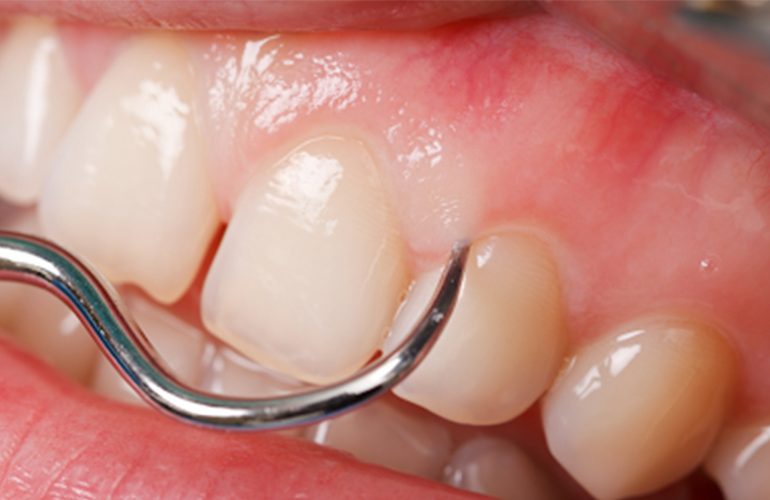
Healthy gums are light pink in color, firm in structure and surround the teeth with a smooth line. They do not bleed during brushing and are not swollen or painful. Redness, swelling, a shiny appearance and bleeding during brushing, on the other hand, are the most common signs of inflammation.
Common Gum Problems in Children
Gingivitis (Gum Inflammation)
This is the most common gum problem in children. Due to bacterial plaque accumulating on the teeth, redness, swelling and bleeding during brushing appear in the gums. When the child stops brushing because they are afraid of the bleeding, the picture may become even more pronounced. It can usually be reversed with regular and correct brushing.
The Teething Period
In babies and in the period of transition from baby teeth to permanent teeth, swelling, tenderness and restlessness may be seen in the gum where the tooth will erupt. This situation is usually temporary. However, high fever, prolonged diarrhea or pronounced lethargy should not be attributed to teething and a pediatrician should be consulted.
Viral Infections
Especially in young children, some viral infections can cause redness of the gums and painful sores in the mouth together with fever. The child may not want to eat or take fluids. In this case, ensuring sufficient fluid intake is important; it is recommended that a pediatrician and a dentist be consulted for evaluation.
Changes in Adolescence
In adolescence, hormonal changes can increase the response of the gums to plaque. In this period, even a small amount of plaque can cause pronounced redness and bleeding. A decrease in the attention paid to oral care also makes this picture easier to develop.
During Orthodontic Treatment
Brackets and wires make it easier for plaque to accumulate and make cleaning more difficult. For this reason, gum overgrowth and inflammation are common during treatment. Using special orthodontic brushes, interdental brushes and additional tools on the dentist’s recommendation is beneficial.
The common point of a significant part of these problems is that bacterial plaque is not removed regularly. For this reason, daily care that is age-appropriate and done with parental support is the strongest protector of gum health in children.
When Should You See a Dentist?
- Prolonged bleeding: Gum bleeding that lasts longer than one or two weeks despite correct brushing.
- Swelling and abscess: Swelling around a tooth, a pimple-like bump or purulent discharge.
- Fever and sores: Sores in the mouth that appear together with fever and prevent eating.
- A loose permanent tooth: Mobility in permanent teeth is rare in children and must be evaluated.
- Persistent bad breath: Odor that does not go away despite oral care.
Protection at Home: Recommendations for Parents
- Start early: From the moment the first tooth appears, clean the teeth with an age-appropriate brush and fluoride toothpaste in the amount recommended by the dentist.
- Supervision: Children usually cannot clean their teeth adequately on their own until a certain age; brush together and check.
- Interdental cleaning: Start using floss at a suitable age in areas where the teeth touch each other.
- Nutrition: Give sugary foods and drinks at limited times, not throughout the day.
- Set an example: Children learn oral care best by watching their parents.
Why Is the Health of Baby Teeth Important?
Neglecting baby teeth with the thought that they will be replaced anyway is a common situation. Yet baby teeth take on important tasks in terms of chewing, speech development and holding space for permanent teeth. Caries and gum inflammation in baby teeth can affect the child’s eating, sleep and school life by causing pain and infection. Oral care habits acquired at an early age are also mostly carried into adulthood. For this reason, childhood is the period in which the foundation of healthy gums that will last a lifetime is laid.
The Importance of Regular Check-Ups
It is recommended that children’s first dental visit be made at an early age, after the first tooth appears. Regular check-ups allow gum problems and caries to be noticed at an early stage. At DijiDent, we attach importance to building a trust-based relationship with our child patients and making the examination a familiar rather than frightening experience.
Frequently Asked Questions
No. Bleeding is usually a sign of inflammation and is expected to decrease with gentle but regular brushing. If it continues, see a dentist.
Mild restlessness and gum tenderness may be seen; however, high fever should not be attributed to teething and a pediatrician should be consulted.
Gingivitis, the most common condition in children, does not cause bone loss and can be treated. Rare advanced conditions require specialist evaluation.
Interdental cleaning is recommended when the teeth begin to touch each other. At first, the parent needs to do this.
It is usually not recommended for young children because of the risk of swallowing. In older children, it can be considered on a dentist’s recommendation.
Healthy smiles start at an early age.
Contact us to book an appointment to evaluate your child’s gum and dental health. Let us offer your child a suitable and reassuring examination experience at DijiDent Oral and Dental Health Polyclinic.
This content is for general information purposes and does not replace an examination by a dentist. In case of fever and general health complaints, a pediatrician should be consulted.