Although root canal treatment is known as one of the most feared procedures in dentistry, its purpose is actually to end the pain and keep the natural tooth in the mouth. Thanks to today’s anesthesia methods, imaging and modern instruments, the procedure is a much more comfortable process than many patients expect. Knowing the answer to the question of what root canal treatment is and the stages of the treatment reduces anxiety and makes it easier to make the right decision. As DijiDent Oral and Dental Health Polyclinic, we clearly explain endodontic treatment to our patients in Türkiye at every step.
The Internal Structure of the Tooth: What Is the Pulp?
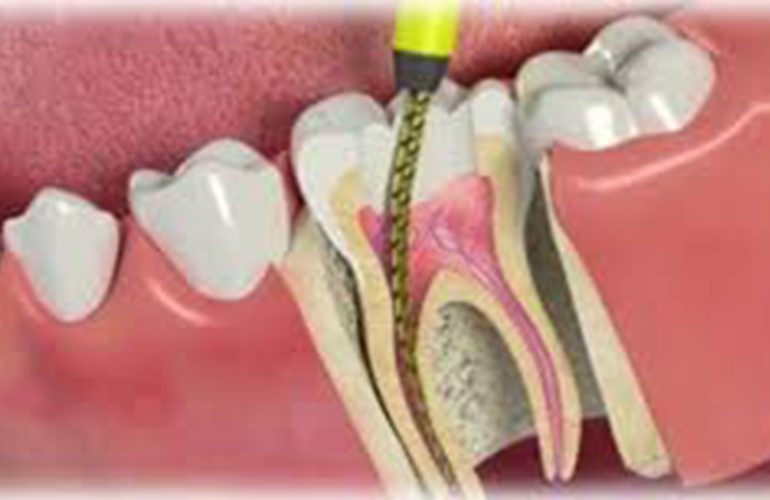
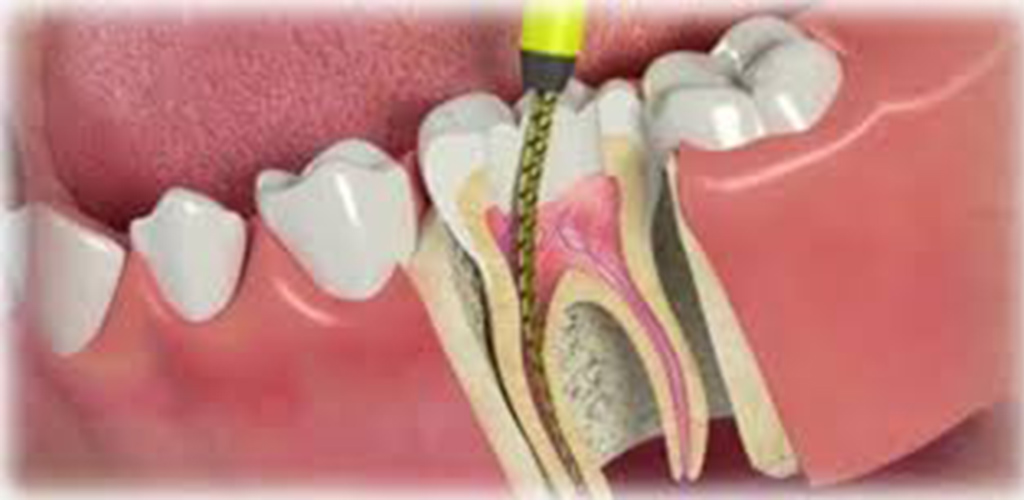
The outer layer of the tooth is called enamel, and the layer beneath it dentin. Inside the dentin is the pulp, popularly known as the tooth nerve. The pulp consists of nerves, blood vessels and connective tissue, and extends along the root canals to the tip of the tooth. This tissue is of great importance during the tooth’s development; since the tooth continues to be nourished by the surrounding tissues once it is fully formed, a tooth whose pulp has been removed can continue to function in the mouth.
In Which Situations Is Root Canal Treatment Needed?
Root canal treatment comes into consideration when the pulp tissue becomes inflamed or infected and this condition becomes irreversible. The main causes are:
- Deep caries: The caries reaching the pulp causes bacteria to infect the tissue.
- Trauma: The pulp may be damaged in a tooth that has received an impact; this is sometimes noticed months later through discoloration.
- Repeated procedures: Fillings done again and again in the same tooth can wear out the pulp.
- Cracks and fractures: They can pave the way for bacteria to reach the pulp.
- Infection at the root tip: Abscesses and root tip lesions require the inside of the canal to be cleaned.
Which Symptoms Are Warning Signs?
Pain that lasts a long time after hot and cold stimuli, throbbing that starts spontaneously and increases especially at night, pain when chewing, swelling or a pimple-like bump on the gum and darkening of the tooth may indicate pulp problems. In some cases, however, there are no symptoms and the problem is noticed during a routine check-up or X-ray.
Root Canal Treatment Step by Step
Examination and Imaging
With clinical tests and radiographic images, the condition of the tooth, the number and shape of the roots and possible lesions at the root tip are evaluated. In cases of complex root structure or those requiring retreatment, three-dimensional imaging can contribute to planning.
Local Anesthesia and Isolation
After the area is numbed, the tooth is isolated with a thin sheet called a rubber dam to protect it from saliva and bacteria. This application supports both keeping the treatment area clean and the patient’s comfort.
Cleaning and Shaping the Canals
A small access opening is made from the top of the tooth. The inflamed or infected pulp tissue is removed, and the canals are cleaned and shaped with special files. During this, the inside of the canal is rinsed generously with disinfectant solutions. Electronic measuring devices and radiographs are used to determine the canal length correctly.
Filling the Canals
The cleaned and dried canals are filled tightly with a biocompatible filling material and paste. Depending on the state of the infection, this stage can be done in the same session, or a temporary medication can be placed in the canal and the stage left to the next session.
Permanent Restoration
Root canal treatment is completed by appropriately covering the top of the tooth. While a filling may be sufficient in teeth with little structure loss, restorations that protect the crown, such as a crown or onlay, may be recommended especially in back teeth and teeth with large structure loss. Delaying the upper restoration can pave the way for the canals to become contaminated again and for the tooth to fracture.
Root Canal Treatment or Extraction?
Extraction may seem like a faster solution at first; however, the loss of the natural tooth can lead to consequences such as shifting of the neighboring teeth, elongation of the tooth in the opposing jaw and disruption of chewing balance. Making an implant or bridge to replace the missing tooth also requires a separate treatment process. For this reason, in a tooth that can be preserved, root canal treatment is usually evaluated as a priority. In situations where the tooth is too damaged to be preserved, the alternatives are discussed openly.
The Contribution of Digital Technologies
At DijiDent, in root canal treatment planning, we make use of three-dimensional imaging, electronic canal length measurement and digital impression technologies when necessary. These tools contribute to a more detailed evaluation of the root structure and to faster planning of the upper restoration after treatment.
The Process After Treatment
After the anesthesia wears off, mild sensitivity may be seen for a few days; this is usually controlled with the painkillers recommended by the dentist. It is recommended that you avoid chewing hard foods with the treated tooth until the permanent restoration is done. The root-canal-treated tooth staying in the mouth for a long time is supported by good oral care and regular check-ups.
Frequently Asked Questions
The procedure is done under local anesthesia and most patients do not feel pain during treatment. Afterwards, mild sensitivity may be seen for a few days.
Although its pulp has been removed, the tooth continues to be nourished by the surrounding gum and bone and can continue to function in the mouth.
It is not needed for every tooth. The decision on a filling or crown is made by evaluating the structure loss and the position of the tooth.
Many cases can be completed in a single session; more than one session may be needed in teeth with infection or complex root structure.
The duration varies from person to person. A suitable upper restoration, good oral care and regular check-ups contribute to the tooth being preserved for a long time.
Your natural tooth is worth preserving.
Contact us to book an appointment to learn the cause of your toothache and evaluate the options for preserving your tooth. Let us plan your treatment process together from start to finish at DijiDent Oral and Dental Health Polyclinic.
This content is for general information purposes and does not replace an examination by a dentist. The treatment decision and the number of sessions are determined after the clinical evaluation.