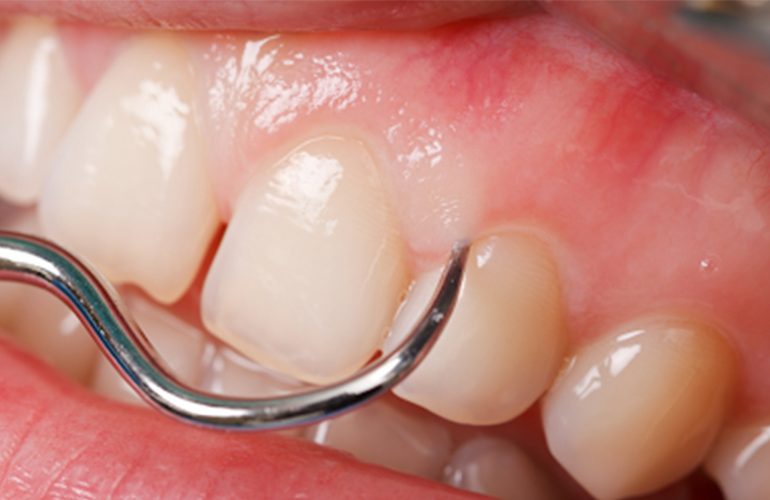
Tartar removal is one of the procedures in dentistry about which the most misinformation circulates. Because of claims such as “it wears down the teeth”, “it opens gaps” and “once you have it done, you need it constantly”, many people avoid this procedure. Yet tartar removal is a basic practice in maintaining gum health. As DijiDent Oral and Dental Health Polyclinic, in Türkiye we address the misconceptions on this subject openly.
What Is Tartar?
Bacterial plaque that constantly forms on the tooth surface hardens with the minerals in saliva and turns into tartar. This transformation happens in a relatively short time; for this reason, it is important not to neglect daily cleaning.
Tartar is a hard and rough surface. It cannot be cleaned with a brush; it also makes it easier for new plaque to accumulate on it. When it accumulates at and below the gum line, it creates a constant source of inflammation.
Common Misconceptions
“It wears down the teeth”
The ultrasonic instruments used break up the deposit through vibration; they do not cut or wear the enamel tissue. After the procedure, the teeth feel smoother, because the hard layer covering them has been removed.
“It opens gaps between the teeth”
Tartar does not create gaps; tartar fills gaps that already exist. When tartar that has accumulated for a long time is removed, the real situation underneath becomes visible. The real problem here is the gaps previously formed due to gum recession. In other words, cleaning does not open gaps; it reveals the existing situation.
“Once you have it done, you become dependent on it”
There is no such thing as dependence. Tartar forms again over time in every mouth; this depends on the person’s saliva characteristics and care habits. The need for repetition shows not that the procedure is harmful but that the process is natural.
“Cleaning whitens the teeth”
No. Cleaning removes deposits and externally caused stains on the surface; it does not change the natural color of the tooth. The teeth may look brighter after the procedure, but this is not whitening.
How Is the Procedure Done?
Ultrasonic instruments and hand instruments are usually used together. Deposits above the gum and, when necessary, below it are removed. Then the surfaces are polished; this step is important because plaque adheres less easily to a smooth surface.
The procedure is painless in most patients. Local anesthesia may be applied in patients with deep deposits below the gum or high sensitivity. The duration varies according to the amount of deposit and more than one session may be needed in some cases.
What to Expect Afterwards?
Cold sensitivity may be seen in the first days; this usually decreases in a short time. In patients who have had deposits for a long time, sensitivity may be more pronounced because root surfaces are exposed, and your dentist may recommend supportive applications.
After the procedure, there may be slight tenderness and a small amount of bleeding in the gums; this is related to the inflamed tissue entering the healing process. It is expected to decrease within a few days.
How Often Is It Needed?
This varies from person to person. Saliva composition, oral care habits, smoking, tooth alignment and existing restorations affect the rate of build-up. While once a year is enough for some people, it may be needed more often for others. In patients who have had periodontal treatment, the interval is usually kept shorter.
Removing Stains
In addition to tartar removal, separate applications can be used for surface stains caused by tea, coffee and smoking. The air-polishing method is preferred for this purpose and can remove external stains without abrading the surface. This procedure is also not whitening; it does not change the natural shade of the tooth, it removes the stains on it.
Can It Be Done at Home?
No. Scraping tools sold online or products advertised as “tartar removers” can damage the tooth surface, injure the gums and cannot fully remove the deposit. In addition, reaching deposits below the gum is not possible outside the clinic. The most effective thing that can be done at home is to remove plaque before it turns into tartar: regular brushing and interdental cleaning.
Frequently Asked Questions
It is painless in most patients; local anesthesia can be applied when necessary.
It usually decreases in a short time; if it persists, supportive applications can be planned.
It is usually suitable; the timing is planned with your dentist.
When applied with the right method, it does not cause damage; it is recommended that you mention your restorations.
Continue regular brushing and interdental cleaning; do not neglect your check-up interval.
Cleaning is the most basic step of gum health.
Plan your check-up appointment for tartar build-up and your gum condition. Contact us; let us create your care program at DijiDent Oral and Dental Health Polyclinic.
This content is for general information purposes. The frequency and method of application are determined by clinical evaluation.