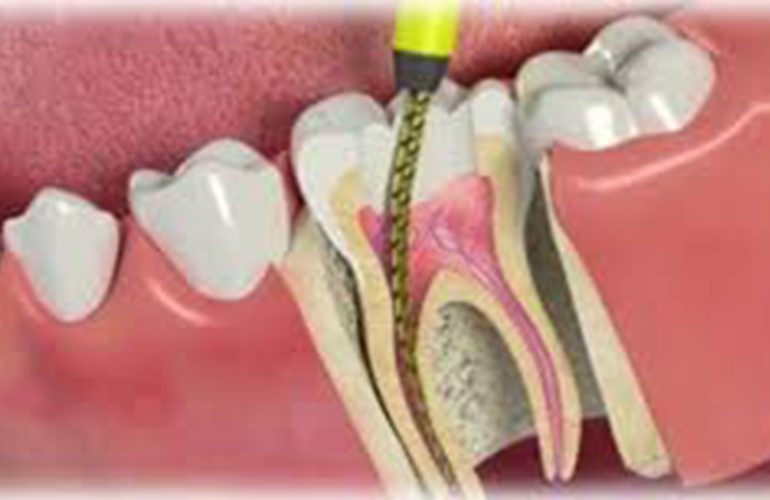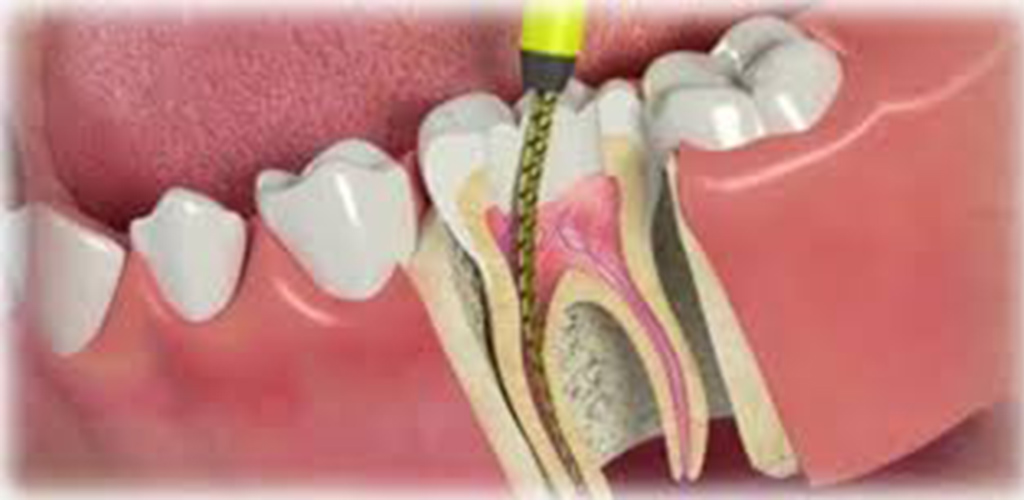
When root canal treatment is recommended, one of patients’ first questions is how long the treatment will take and how many times they will need to come to the clinic. There is no single answer to this question that applies to everyone; the duration varies according to the type of tooth, the root structure and the state of the infection. Knowing the factors that affect the question of how many sessions root canal treatment takes helps you form realistic expectations and plan your schedule. As DijiDent Oral and Dental Health Polyclinic, we openly share the anticipated session plan with our patients in Türkiye after the examination.
Single Session or Multiple Sessions?
Today, many root canal treatments can be completed in a single session. Modern rotary instruments, electronic canal length measurement and effective disinfection methods have shortened this process. However, a single session is not suitable for every case. The dentist’s priority is not speed but ensuring that the canals are adequately cleaned and the infection is brought under control. For this reason, in some situations, dividing the treatment into two or more sessions may be a more correct choice.
Factors Affecting the Number of Sessions
The Type of Tooth and Number of Canals
While front teeth usually have a single canal, premolars may have one or two, and large molars three, four or more canals. As the number of canals increases, the procedure time lengthens. The fact that the canals in large molars are thinner and more curved can also affect the duration.
The Presence of Infection
In teeth with an abscess at the root tip, purulent discharge or pronounced swelling, after the canals are cleaned, an antibacterial medication can be placed inside and the tooth temporarily closed. This medication stays in the canal for a while and helps reduce the bacterial load. When the symptoms recede, the canals are permanently filled.
The Complexity of the Root Structure
Curved, narrowed or calcified canals, additional canals and unusual root anatomy can make treatment more difficult. In such cases, three-dimensional imaging and working under magnification contribute to planning; however, the duration may be longer.
Retreatment
If treatment needs to be renewed in a tooth that has previously had root canal treatment, removing the old filling material requires additional time. For this reason, retreatments often take more than one session.
The Patient’s Comfort
In patients who find it difficult to keep their mouth open for a long time, who have a jaw joint disorder or who have a high level of anxiety, treatment can be divided into shorter sessions with the patient’s comfort in mind.
Same-Day Emergency Intervention
In patients who come in with severe pain, the priority of the first session is often relieving the pain. In this case, the pulp tissue can be removed, medication placed in the canal and the tooth temporarily closed. In this way, the patient is relieved in a short time; the shaping and filling of the canals are completed in a planned next session. This approach allows both comfort and treatment quality to be considered together in emergencies.
The pain going away does not mean the treatment is finished. Not coming to the planned appointments after the first intervention can lead to the effect of the medication in the canal decreasing and the infection flaring up again.
How Long Does a Session Take?
The session duration varies according to the tooth and the case. While it is shorter for front teeth, more time may be needed for multi-rooted molars and retreatments. After the examination and imaging, your dentist can share the approximate time anticipated for your tooth.
When the time is planned, not only the procedure time but also preparation stages such as the anesthesia taking effect and the isolation of the tooth are taken into account. For this reason, arriving at your appointment on time helps the session proceed efficiently as planned.
Points to Consider Between Sessions
- Protect the temporary filling: Avoid chewing hard and sticky foods on the treated side.
- Do not miss appointments: A temporary filling does not provide long-term protection; a longer interval between sessions can lead to the canals becoming contaminated again.
- Report symptoms: Inform the clinic in case of increasing pain, swelling or the temporary filling falling out.
- Use medications correctly: Use the medications prescribed by the dentist as recommended.
Is the Root Canal Treatment Finished? Do Not Forget the Upper Restoration
Filling the canals is an important stage of the treatment; however, the process is completed by covering the top of the tooth with a permanent restoration. The filling can usually be done in the same or the next session. If a crown is needed, additional appointments are planned for the impression, try-in and cementation. Digital impression and design methods can help shorten this time.
For Our Patients Coming from Abroad
For our patients who will stay in Türkiye for a limited time, when preliminary imaging data is shared, the possible number of sessions and the timeline can be evaluated in advance. Since an interval between sessions may be needed in infected cases, it is important that planning is done accordingly. The final plan becomes clear after the clinical examination.
Frequently Asked Questions
In many cases, yes. However, more than one session may be needed in situations involving infection, complex root structure or retreatment.
Both can give successful results in suitable cases. The choice is made by the dentist according to the condition of the tooth.
It is usually planned at between a few days and a few weeks. The interval is determined according to the state of the infection and the intracanal medication used.
Contact your clinic as soon as possible; the canals being left exposed can increase the risk of reinfection.
It varies according to the type of crown and the method used. The plan is shared with you after the root canal treatment.
A clear plan reduces anxiety.
Contact us to book an appointment to learn the anticipated number of sessions and your treatment schedule for your tooth. Let us plan your treatment to suit your schedule at DijiDent Oral and Dental Health Polyclinic.
This content is for general information purposes and does not replace an examination by a dentist. The number of sessions and duration are determined after the clinical evaluation and vary from person to person.