A toothache that is at a bearable level during the day becoming more intense when you get into bed at night is a situation many people experience and one that causes sleepless nights. This picture is no coincidence; it has both physiological and attention-related causes. Moreover, pain that increases at night is often an important warning pointing to the nerve tissue inside the tooth being seriously affected. Knowing the causes of toothache that gets worse at night allows you to take the right step at the right time instead of postponing the pain. As DijiDent Oral and Dental Health Polyclinic, we offer our patients in Türkiye a clear and practical guide on this subject.
Why Does Toothache Get Worse at Night?
Horizontal Position and Blood Flow
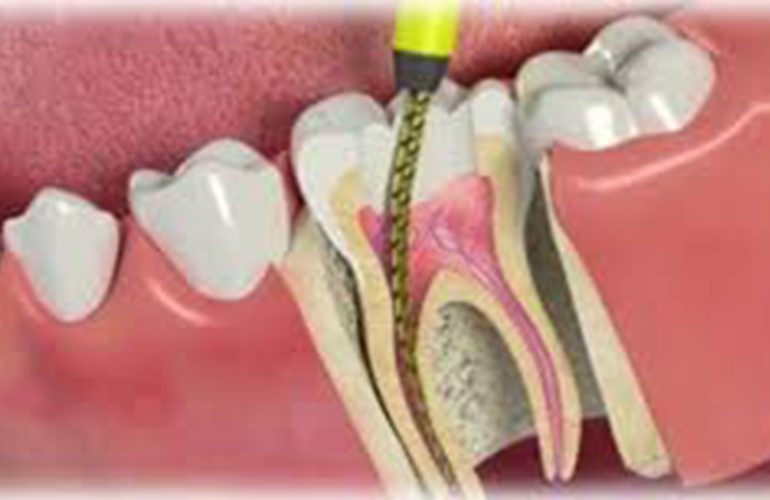
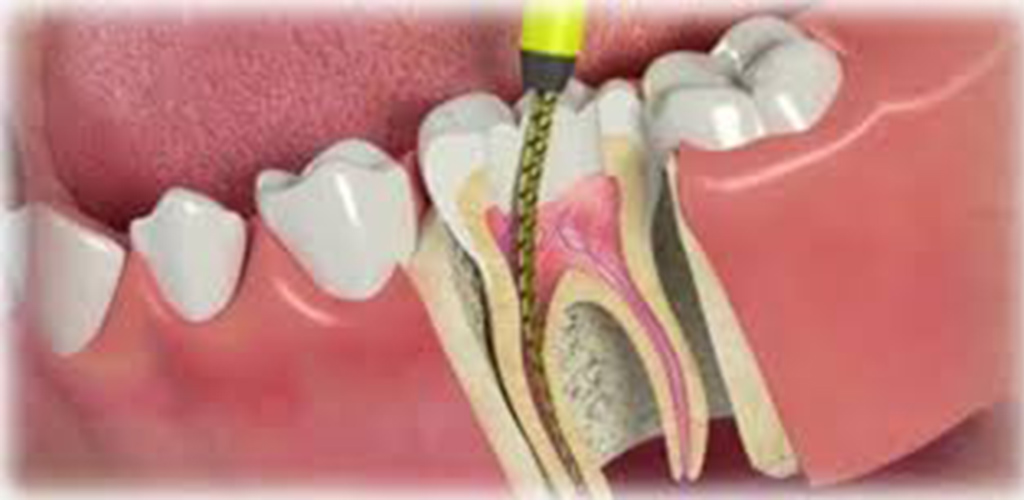
When we lie down, blood flow to the head and face area increases. Since an inflamed tooth pulp is located in a closed space surrounded by hard tooth tissue, it cannot expand; increased blood flow raises the pressure in this space. As the pressure increases, the nerve endings are stimulated more and the pain takes on a throbbing character. This is why some patients notice that the pain eases somewhat when they raise their head.
No Distractions
During the day, work, conversation and environmental stimuli distract our attention. At night, however, in a quiet environment, perception turns entirely to the pain. Although this does not change the intensity of the pain, it can significantly increase the perceived discomfort.
The Effect of Painkillers Wearing Off
The effect of painkillers taken during the day may wear off in the night hours. This also contributes to the pain being felt more noticeably at night.
The Main Causes of Pain That Increases at Night
Irreversible Pulp Inflammation
Long-lasting pain that starts spontaneously, wakes you at night and increases with heat often indicates that the pulp has become irreversibly inflamed. In this case, the pulp tissue is not expected to repair itself and root canal treatment is usually needed. Deep caries, large fillings and cracks are common causes of this picture.
Tooth Abscess
An abscess that develops as the infection spreads to the root tip can cause throbbing pain that increases when lying down. Tenderness when biting, swelling of the gum or face and sometimes fever may accompany it.
Teeth Clenching and Grinding
In people who clench their teeth in their sleep, the pain is usually felt not at night but on waking in the morning. Fatigue in the jaw muscles, pain in the temples and widespread sensitivity in more than one tooth are typical findings. This picture differs from throbbing pain localized to a single tooth.
Sinusitis
The roots of the upper molars are very close to the sinus cavity. In sinus inflammation, widespread pain and a feeling of pressure may form in these teeth; it may increase when bending forward or lying down. Pain felt in more than one upper tooth after a cold may originate from the sinuses. Examination and, if necessary, imaging are important for distinguishing it.
Impacted or Partially Erupted Wisdom Tooth
The gum around a partially erupted wisdom tooth can become inflamed, and this can lead to pain at the back of the jaw that increases with swallowing and radiates to the ear.
Clues That Help Distinguish the Pain
- Single tooth, throbbing, wakes you up: It should be evaluated for pulp inflammation or abscess.
- Widespread pain in the jaw and teeth on waking in the morning: It may be related to teeth clenching.
- Pressure in more than one upper tooth, after a cold: It may be sinus-related.
- Pain at the back of the jaw that increases with swallowing: It may suggest inflammation around a wisdom tooth.
These clues only give a general idea; the definitive distinction is made by clinical examination and imaging. More than one cause may be present at the same time.
What Can You Do When Night Pain Starts?
- Raise your head: Keeping your head elevated with an extra pillow may reduce the pressure somewhat.
- Painkiller: You can use a painkiller that you have used before and that is known to suit you, following the dose in the package leaflet.
- Cold compress: Applying cold to the cheek at short intervals may provide relief; if there is swelling, do not apply heat.
- Avoid triggers: Stay away from very hot, very cold and sugary foods.
- Do not put medication on the gum: Placing painkiller tablets on the gum can cause tissue burns.
These measures only provide temporary relief. The pain easing in the morning does not mean the problem has gone; it is recommended that you book an appointment as soon as possible.
How Is It Evaluated in the Clinic?
During the examination, you are asked in detail when the pain started, how long it lasts and what makes it worse. With cold and heat tests, lightly tapping the tooth and biting tests, an attempt is made to identify the tooth that is the source of the pain. Radiographic images provide information about the depth of caries and changes at the root tip. Once the source of the pain is clear, an initial intervention to relieve the pain can usually be done on the same day.
When Should You Seek Urgent Care?
If there is rapidly increasing swelling in the face or neck, difficulty swallowing or breathing, high fever or pronounced restriction in opening the mouth, you should go to the nearest emergency department without waiting, even at night. These symptoms may show that the infection has spread.
Frequently Asked Questions
In the horizontal position, blood flow to the head increases and the pressure in the inflamed pulp rises. In addition, at night attention turns entirely to the pain.
It often indicates that the pulp has been seriously affected and usually requires an intervention such as root canal treatment.
Yes. The pain fluctuating does not mean the problem has been solved; the infection may continue to progress.
Yes, especially in the upper molars. The distinction is made by examination and, if necessary, imaging.
Antibiotics should not be used without a physician’s recommendation. The source of many toothaches is eliminated not with antibiotics but with dental treatment.
Do not put up with sleepless nights.
Contact us to book an appointment to learn the cause of your toothache that gets worse at night and plan a lasting solution. Let us evaluate your pain quickly at DijiDent Oral and Dental Health Polyclinic.
This content is for general information purposes and does not replace an examination by a dentist. Medication should be used on the recommendation of a physician or pharmacist. In case of difficulty breathing or swallowing and rapidly spreading swelling, the emergency department should be consulted.