A cold drink or hot tea causing a sudden twinge in a tooth is a very common complaint. This sensitivity sometimes stems from a completely harmless situation and sometimes from a problem that requires treatment. What matters is being able to notice what character the sensitivity has and how long it lasts. Knowing what hot-cold sensitivity means allows you to distinguish in which situations precautions can be taken at home and in which situations you need to see a dentist. As DijiDent Oral and Dental Health Polyclinic, we explain this distinction clearly to our patients in Türkiye.
How Does Sensitivity Occur?
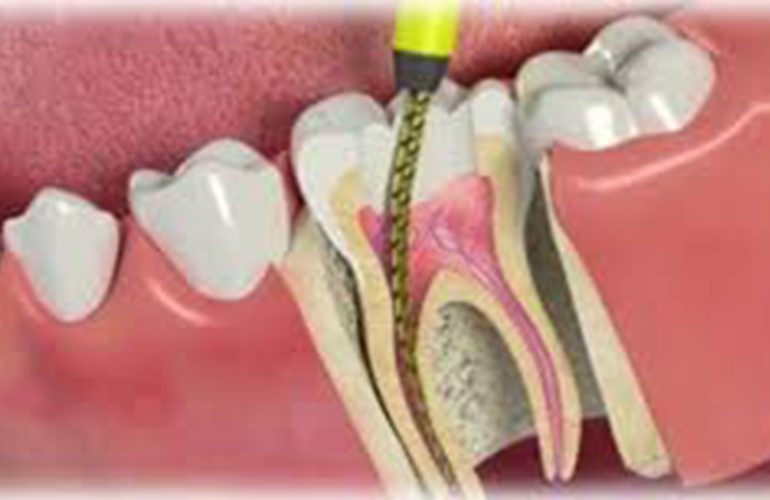
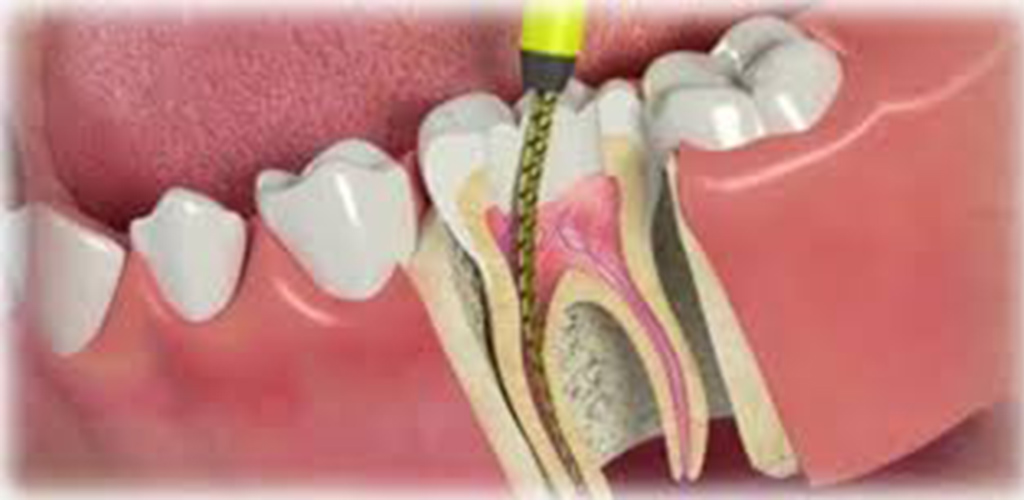
The enamel on the outer surface of the tooth and the cementum layer covering the root surface protect the dentin underneath. Dentin contains microscopic tubules that extend to the pulp. When the enamel wears away or the gum recedes and exposes the root surface, hot, cold, sweet or sour stimuli cause the fluid in these tubules to move. This movement stimulates the nerve endings and causes a short, sharp twinge.
What Does the Character of the Sensitivity Tell You?
A Short, Sharp Twinge
Sensitivity that starts with the stimulus and goes away within a few seconds when the stimulus is removed usually points to dentin sensitivity or to the pulp being stimulated at a reversible level. This situation can often be treated and pulp health is preserved.
Long-Lasting, Throbbing Pain
Throbbing pain that lasts for minutes after the stimulus is removed suggests that the pulp is more seriously inflamed. In particular, pain that increases with heat and is relieved by cold is an important sign that the pulp may have been irreversibly affected and usually requires evaluation for root canal treatment.
A Tooth That Does Not Respond at All
A previously sensitive tooth no longer responding to any stimulus may be a sign not of healing but of the pulp having lost its vitality. Such teeth should be evaluated since they may lead to infection at the root tip over time.
The Main Causes of Sensitivity
- Gum recession: Exposed root surfaces are more sensitive to stimuli because they are not covered with enamel.
- Enamel wear: Hard brushing, acidic foods and drinks and teeth clenching can thin the enamel.
- Caries: Caries progressing into the enamel and dentin makes it easier for stimuli to reach the pulp.
- Cracked tooth: It can cause sharp pain that appears with chewing or cold and whose location is difficult to pinpoint.
- Broken or leaking filling: Leakage from the edge of a filling can cause sensitivity.
- Recent procedures: Temporary sensitivity may be seen after a filling, tartar removal or whitening.
Sensitivity After Fillings and Whitening
After deep caries has been cleaned and a filling has been done, cold sensitivity may be seen for between a few days and a few weeks and usually decreases over time. If the sensitivity increases, turns into long-lasting pain or pain starts spontaneously, the tooth needs to be re-evaluated. Sensitivity seen after whitening is mostly temporary; your dentist can offer recommendations to ease this period.
How Is Sensitivity Treated?
Treatment is planned according to the cause of the sensitivity. First, it is determined whether there is a condition requiring treatment, such as caries, a crack or a pulp problem.
- Desensitizing toothpastes: When used regularly, they can help reduce the transmission of stimuli in the dentin tubules; their effect usually appears within a few weeks.
- Varnishes applied in the clinic: Fluoride-containing or tubule-sealing agents can be applied to sensitive surfaces.
- Covering the root surface: Worn or exposed areas can be covered with composite restorations in suitable cases.
- Gum treatments: In sensitivity due to gum recession, gum treatments can be considered in suitable cases.
- Root canal treatment: It is applied to eliminate the source of pain in situations where the pulp has been irreversibly affected.
It should also be remembered that more than one cause may be present at the same time; for example, a person with gum recession may also have caries or a crack. For this reason, treatment is planned by evaluating all the findings together.
Keeping a Sensitivity Diary Can Be Useful
Noting for a few days before coming to the examination which tooth the sensitivity starts in, with which stimulus, how long it lasts and whether there is pain at night can help your dentist reach a diagnosis faster. These notes are a valuable guide, especially when there is sensitivity in more than one tooth or the location of the pain cannot be pinpointed exactly. How the pain changes over time also gives important clues about the condition of the pulp.
Precautions You Can Take at Home
Use a soft-bristled brush and brush your teeth with gentle circular movements, not horizontal, hard movements. Avoid consuming acidic drinks frequently; if you have consumed them, wait a while before brushing. If you notice signs of teeth clenching, talk to your dentist. Use desensitizing toothpastes regularly and for a sufficient time to see their effect.
Frequently Asked Questions
It can be, but there are other causes such as gum recession, enamel wear or a crack. The definitive cause is determined by examination.
Pain that increases with heat and lasts a long time may show that the pulp is seriously inflamed and usually requires a detailed evaluation.
It usually decreases within a few days to a few weeks. In case of increasing or long-lasting pain, see a dentist.
Its effect usually appears after a few weeks of regular use. When use is stopped, the sensitivity may return.
Not always. The complete loss of response may show that the pulp has lost its vitality; an evaluation is recommended.
Let us decode the language of sensitivity together.
Contact us to book an appointment to learn the cause of the hot-cold sensitivity in your teeth and determine the solution that suits you. Let us evaluate your sensitivity in detail at DijiDent Oral and Dental Health Polyclinic.
This content is for general information purposes and does not replace an examination by a dentist. The treatment method is determined by the dentist according to the cause of the sensitivity.