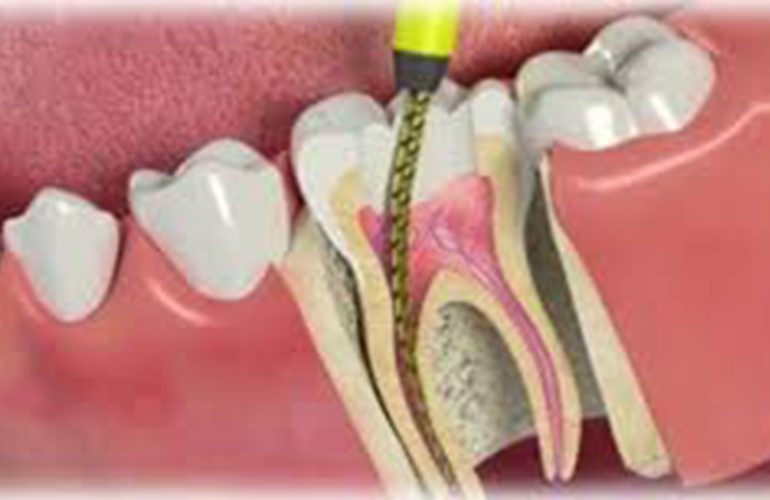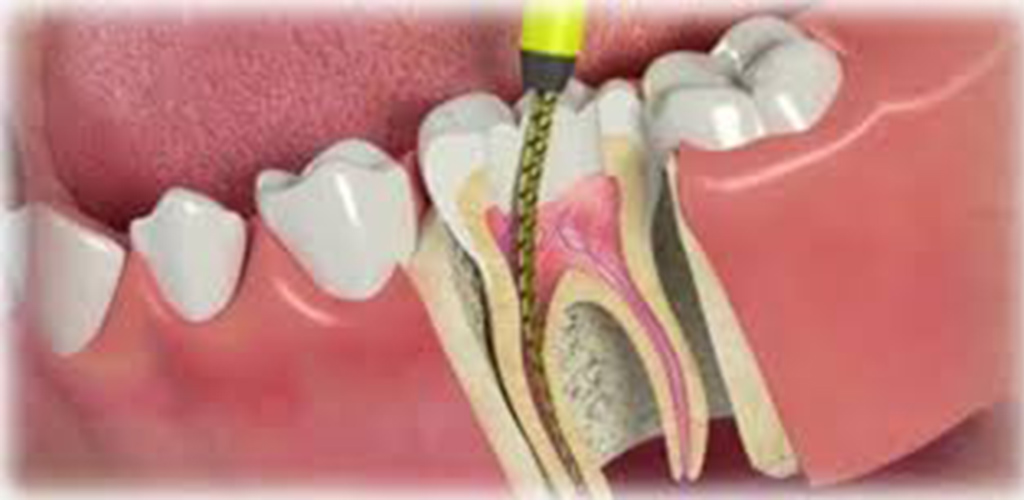
Root canal treatment has for years been referred to as a procedure associated with pain. Yet most of the pain patients feel comes not from the treatment itself but from the inflammation and infection that make the treatment necessary. The aim of the treatment is precisely to eliminate this pain. Answering the question of whether root canal treatment is painful honestly and explaining the methods that increase comfort is the most effective way to reduce anxiety. As DijiDent Oral and Dental Health Polyclinic, we carry out this process with our patients in Türkiye through open communication.
Does the Pain Come from the Treatment or the Disease?
When the pulp tissue becomes inflamed, pressure increases in the closed space inside the tooth. This can lead to pain triggered by heat and cold, which over time starts spontaneously and increases at night. When the infection reaches the root tip, sensitivity when chewing and swelling may be seen. Root canal treatment aims to eliminate the source of this pain by removing the inflamed tissue and cleaning the infection.
What Is Felt During Treatment?
Root canal treatment is done under local anesthesia. After the anesthesia takes effect, patients usually feel only pressure, vibration and the movement of the instruments; sharp pain is not expected. Modern rotary instruments and electronic canal length measuring devices contribute to the procedure progressing in a more controlled and efficient way.
Situations in Which Anesthesia Is Hard to Achieve
In teeth with severe inflammation, especially lower molars, the anesthesia may sometimes take longer to take effect or an additional application may be needed. Inflammation in the tissue can reduce the effectiveness of the anesthetic. In this case, your dentist can carry out additional applications with different anesthesia techniques. If you feel pain at any moment during treatment, it is enough to indicate this by raising your hand; the procedure is paused and your comfort is restored.
Applications That Increase Comfort
- Topical anesthesia: A gel applied before the needle is inserted can reduce the feeling of the needle.
- Slow injection: Giving the anesthetic slowly eases the stinging and pressure sensation.
- Rubber dam isolation: It isolates the tooth and prevents water and solutions from going down the throat; a significant proportion of patients find it reassuring.
- Breaks: In long procedures, short breaks can be given to rest the jaw muscles; bite supports can reduce jaw fatigue.
- Open communication: Explaining each stage in advance reduces anxiety arising from uncertainty.
Throughout the treatment, your dentist checks on you at regular intervals and asks whether you are comfortable.
Is There Pain After Treatment?
After the anesthesia wears off, mild to moderate sensitivity may be seen in and around the tooth. This is a natural response of the tissues around the root tip to the procedure and usually decreases within a few days. It is also common for the tooth to feel slightly high or sensitive when chewing.
To Get Through This Period Comfortably
- Painkillers: Use the painkiller your dentist recommends as instructed.
- Chewing: Do not chew hard and sticky foods with the treated tooth until the permanent restoration is done.
- Temporary filling: Inform the clinic if the temporary filling falls out or wears down.
- Oral care: Continue brushing and interdental cleaning as normal.
When Should You Call the Clinic?
It is recommended that you contact your clinic if the pain increases instead of decreasing as the days pass, if swelling forms in the face or gums, if there is a fever, severe pain that does not respond to painkillers, or if the tooth feels noticeably high when biting. These symptoms may require a quick evaluation.
Factors Affecting Pain
What is felt during and after treatment varies from person to person. The severity of the inflammation before treatment, the type of tooth and number of roots, whether there is an infection at the root tip and the person’s pain threshold are the main elements affecting this experience.
In patients with severe pain before treatment, it is more likely that sensitivity will also be seen for a few days afterwards. In treatments done at an early stage, before the pain has started, the process usually goes more comfortably. For this reason, not postponing the treatment your dentist recommends until the pain intensifies also provides an important advantage in terms of comfort.
Coping with Dental Anxiety
Anxiety about dental treatment is very common and nothing to be ashamed of. Sharing your anxiety with your dentist during the appointment allows the treatment to be planned at a pace that suits you. Postponing treatment, on the other hand, often makes the problem bigger; a progressing infection can lead to more severe pain, abscess development and the loss of the tooth. Treatment done early is usually shorter and more comfortable.
At DijiDent, we set aside time for an introductory and informational meeting before treatment for our anxious patients and explain every stage of the procedure in advance. Our aim is to enable you to experience root canal treatment not as a feared procedure but as a solution that ends the pain and preserves the tooth.
Frequently Asked Questions
Once the anesthesia takes effect, pain is usually not felt; there may be a feeling of pressure and vibration. If you feel pain, additional anesthesia can be applied.
Mild sensitivity usually decreases within a few days. In case of increasing pain or swelling, go to the clinic.
Additional anesthesia or different techniques can be applied, especially in severely inflamed teeth. The procedure does not continue until your comfort is ensured.
Yes. The pain going away may show that the pulp has been completely damaged; the infection may continue to progress silently.
No. Antibiotics can be used as supportive treatment in some situations; however, they do not eliminate the infected tissue inside the tooth.
Postponing the pain makes the problem bigger.
Contact us to book an appointment to learn the cause of the pain in your tooth and create a comfortable treatment plan. Let us start the process together by answering your questions at DijiDent Oral and Dental Health Polyclinic.
This content is for general information purposes and does not replace an examination by a dentist. The treatment experience varies from person to person; medication should be used on a dentist’s recommendation.