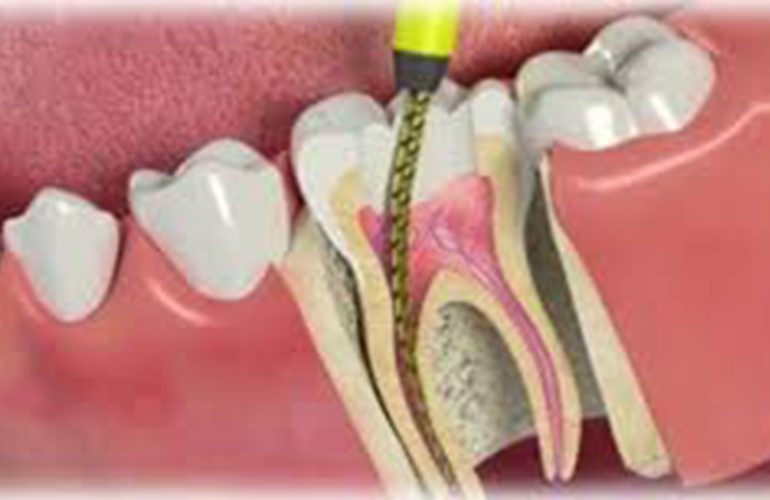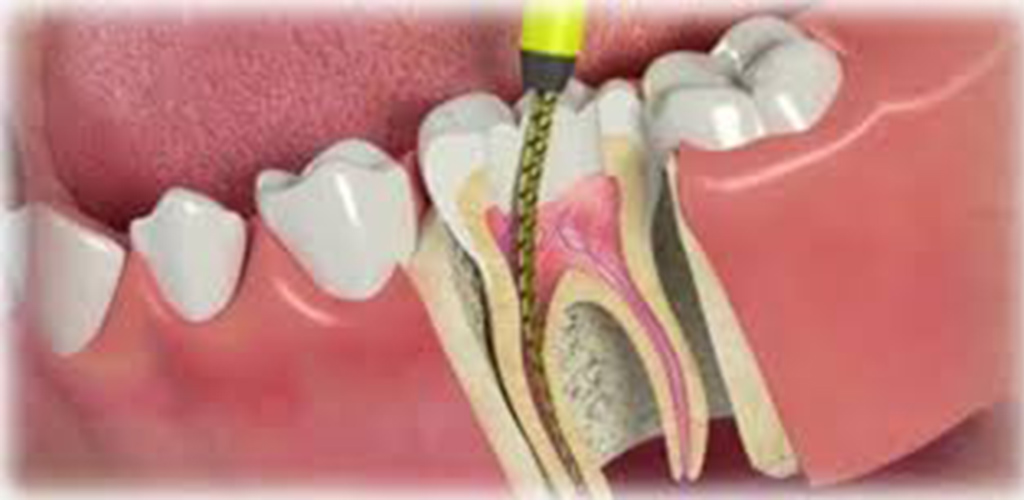
Root canal treatment and, if necessary, retreatment are successful in most infections at the root tip. However, in some cases the problem may persist in an area that cannot be reached from inside the canal. In such cases, one of the options considered before extracting the tooth is root-end surgery. Knowing the answer to the question of what apical resection is and in which situations this procedure is recommended allows you to see all the options for preserving your tooth. As DijiDent Oral and Dental Health Polyclinic, we explain this procedure to our patients in Türkiye together with its stages and expectations.
What Is Apical Resection?
Apical resection is an endodontic surgical procedure in which the root tip of the tooth and the inflamed tissue around it are surgically removed and the root tip is then sealed with a special material. The aim is to eliminate the source of the infection, allow the surrounding bone to heal and keep the tooth in the mouth. The procedure is sometimes also called root-end resection or apicoectomy.
In Which Situations Is It Recommended?
- Infection persisting despite retreatment: If the lesion at the root tip has not healed after root canal treatment and retreatment.
- Problems that cannot be reached through the canal: Situations such as a broken instrument that cannot be removed from inside the canal, or extremely curved or blocked canals.
- Restorations that are risky to remove: In teeth with a long post and a crown in good condition, when it is necessary to reach the root tip without damaging the restoration.
- Suspicion of a root tip cyst: When a tissue sample needs to be taken from the lesion and examined.
- Extruded filling material: When material that has gone beyond the root tip and causes symptoms needs to be removed.
In these situations, apical resection is often considered as an alternative to extracting the tooth. Whether the procedure will be recommended is determined by considering the overall condition and preservability of the tooth together. Access to the root tip is usually easier in front teeth and premolars; in large molars, planning is done in more detail because of anatomical structures.
Who Is It Not Suitable For?
Apical resection may not be suitable for teeth with a vertical fracture in the root, advanced loss of support or a root length that would remain too short after the procedure to carry the tooth. In situations where the root tip is very close to structures such as the nerve canal or the sinus, the risk-benefit evaluation is also made carefully. Uncontrolled systemic diseases can also affect planning.
Planning and Imaging
Before the procedure, three-dimensional dental tomography shows in detail the size of the lesion, the position of the root tip and its proximity to surrounding anatomical structures. This information plays an important role in planning the surgical approach and evaluating the risks. At this stage, the condition of the root canal treatment is also evaluated; in some cases, canal retreatment may be recommended before surgery.
How Is the Procedure Done?
Local Anesthesia
The procedure is done under local anesthesia and patients usually do not feel pain during the procedure.
Access to the Root Tip
A small incision is made in the gum to reach the area where the root tip is located. A small window is opened in the bone.
Removal of the Lesion and the Root Tip
The inflamed tissue around the root tip is cleaned and a portion of the root tip of about a few millimeters is cut off and removed. In necessary cases, the tissue sample taken is sent for pathological examination.
Sealing the Root Tip
A small cavity is prepared in the cut root tip and filled tightly with a biocompatible material. Working under magnification increases the precision of this stage.
Stitches
The gum is repositioned and closed with stitches. The stitches are usually removed after about a week.
The Healing Process
In the first days after the procedure, mild pain, swelling and sometimes bruising on the face may be seen. These symptoms usually decrease within a few days. Applying a cold compress intermittently on the first day, using the painkillers recommended by the dentist, protecting the procedure area while brushing and not smoking are recommended. Healing in the bone takes place over months and is monitored with check-up X-rays.
Warning Signs After the Procedure
It is recommended that you contact your clinic if pain and swelling increase instead of decreasing after the first days, or in case of high fever, bleeding from the stitch area that does not stop, purulent discharge or numbness in the lip and chin that does not go away. If you notice a nosebleed or a feeling of pressure in the sinus area after procedures done on upper molars, you should also report this to your dentist. Attending check-up appointments during the healing period is important for the stitches to be removed on time and for the healing of the area to be monitored.
Expectations
When applied in suitable cases and with modern techniques, apical resection is a valuable option for preserving the tooth. However, the outcome depends on factors such as the size of the lesion, the root structure, the quality of the root canal treatment and the patient’s general health. In situations where the procedure fails, alternatives such as extraction and an implant or bridge are discussed. At DijiDent, we openly share these options with our patients before the procedure.
Frequently Asked Questions
The procedure is done under local anesthesia. Afterwards, mild pain and swelling may be seen for a few days; these are usually controlled with painkillers.
Most patients return to daily life in a short time. Avoiding intense physical activity in the first days is recommended.
Treatment from inside the canal is usually evaluated first. The surgical approach is recommended in situations that cannot be reached through the canal.
If the root length is sufficient, the stability of the tooth is usually preserved. This is evaluated at the planning stage.
Temporary bruising may be seen in some patients and usually disappears on its own.
Evaluate all the options before extraction.
Contact us to book an appointment to learn whether apical resection is suitable for your non-healing root tip infection. Let us create the plan to preserve your tooth together at DijiDent Oral and Dental Health Polyclinic.
This content is for general information purposes and does not replace an examination by a dentist. The suitability and results of surgical procedures vary from person to person; the decision is made after the clinical evaluation.