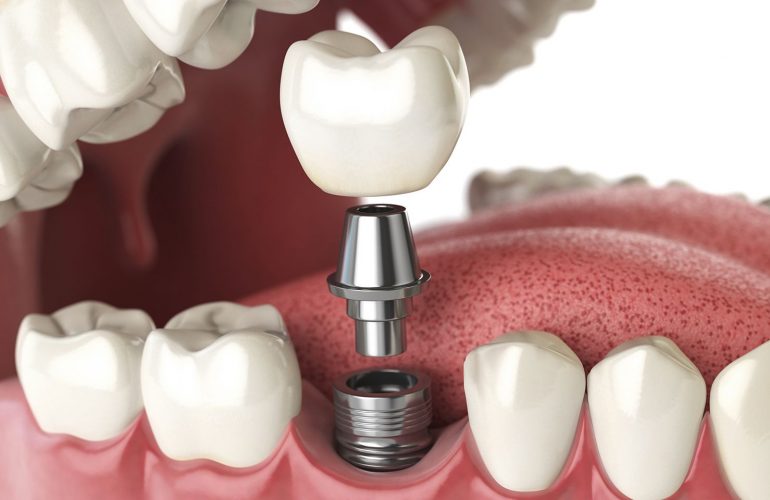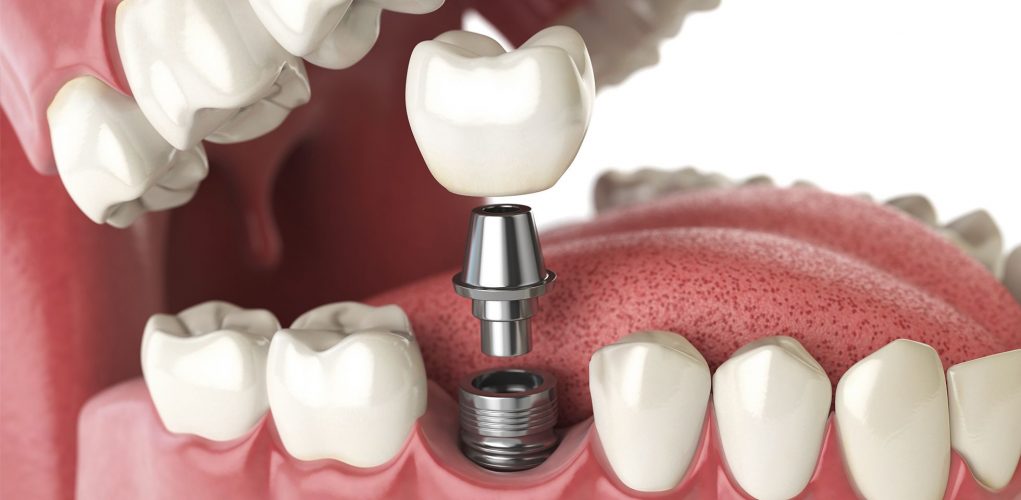
In the back region of the upper jaw, just above the molars, there is an air-filled cavity called the maxillary sinus. After teeth are lost in this region, the bone resorbs and the sinus cavity may also expand downward. As a result, the bone height required to place an implant may be insufficient. One of the procedures applied to solve this problem is the sinus lift. Knowing the answers to the questions of what a sinus lift is, in which situations it is necessary and how the process works enables you to better understand your treatment plan. As DijiDent Oral and Dental Health Polyclinic, we explain this procedure to our patients in Türkiye together with three-dimensional planning.
Why Is a Sinus Lift Necessary?
The bone in the back region of the upper jaw generally has a softer and more spongy structure than the lower jaw. After tooth loss, this bone thins over time. At the same time, the sinus cavity may expand downward because the support provided by the teeth disappears. When these two processes combine, there may not be enough bone height between the sinus floor and the mouth to safely carry an implant. A sinus lift aims to create space for bone formation beneath the sinus membrane by gently lifting it upward.
What Is the Sinus Membrane?
The inner surface of the sinus cavity is covered with a thin membrane called the Schneiderian membrane. The most delicate stage of the sinus lift procedure is separating this membrane from the bone and lifting it upward without tearing it. Bone graft is placed in the space created under the membrane, and new bone forms in this area over time.
Application Techniques
Closed Sinus Lift (Crestal / Internal Technique)
It is applied when the existing bone height is limited but at a certain level. While the implant socket is being prepared, the sinus floor is gently pushed upward through the same socket with special instruments, and if necessary a small amount of graft is placed. The implant is usually placed in the same session. It is a less invasive method and the healing process is often more comfortable.
Open Sinus Lift (Lateral Window Technique)
It is preferred when bone height is markedly insufficient. A small window is opened in the bone on the cheek side of the upper jaw, the sinus membrane is lifted through this window, and a larger amount of graft is placed in the space created. Depending on the amount of remaining bone, the implant is placed in the same session or in a separate session after the graft has matured.
Which Technique Is Right for You?
The choice is made according to factors such as the existing bone height, the anatomy of the sinus, the thickness of the sinus membrane, whether there are partitions (septa), and the planned number of implants. Three-dimensional dental tomography helps select the right technique by revealing all of this information at a millimetric level. If thickening or signs of inflammation are seen inside the sinus on the tomography, an evaluation by an ear, nose and throat (ENT) specialist may be recommended before the procedure.
Who Requires Careful Evaluation?
- Active sinusitis: The procedure is not planned without treating the sinus inflammation.
- Chronic sinus diseases: Detailed evaluation and, if necessary, collaboration with an ENT specialist are required.
- Heavy smoking: It can negatively affect graft healing and implant success.
- Uncontrolled systemic diseases: It is important that conditions such as diabetes are under control.
- Some medications: Medications affecting bone metabolism should be reported to your dentist.
What to Pay Attention to After the Procedure
Since pressure changes inside the sinus after a sinus lift can affect the graft area, some special recommendations need to be followed:
- Do not blow your nose hard: Avoid blowing your nose for the period your dentist specifies.
- Sneeze with your mouth open: Keep your mouth open while sneezing so that the pressure is not directed toward the sinus.
- Do not use a straw: The sucking motion can cause pressure changes.
- Avoid intense physical activity: In the first days, stay away from heavy exercise and tasks that require bending over.
- Flying and diving: Wait for the period your dentist recommends for activities that create pressure changes, such as air travel and diving.
- Smoking: Stay away from smoking during the healing period.
- Medications: Use the medications your dentist recommends, including nasal sprays if any, regularly.
In the first days, swelling in the cheek, mild pain, bruising and a small amount of bloody discharge from the nose may be seen. These symptoms usually decrease within a few days.
When Should You Contact the Clinic?
In the event of increasing pain and swelling, fever, foul-smelling discharge from the nose, graft particles coming from the nose or mouth, or prolonged nosebleeds, it is recommended that you contact your clinic.
Healing and Implant Timing
In the closed technique, the implant is usually placed in the same session and its fusion with the bone is awaited. In the open technique, if the implant was not placed in the same session, a few months are waited for the graft to mature. Since bone healing in the upper jaw generally takes longer than in the lower jaw, the total treatment time is planned accordingly. At DijiDent, for our patients coming from abroad, we evaluate this period in advance with preliminary imaging data and create the visit schedule together.
Alternatives
In some cases, the need for a sinus lift can be reduced with short implants, angled implant placement or different prosthesis designs. Which option is suitable is determined by evaluating the bone structure and the prosthesis plan together.
Frequently Asked Questions
The procedure is done under local anesthesia. Afterwards, swelling and mild pain may be seen for a few days; it is usually brought under control with painkillers.
The closed technique is applied through the implant socket, while the open technique is applied through a window opened in the side wall. The choice is made according to the existing bone height.
It is often possible with the closed technique and in open-technique cases where there is sufficient bone.
The period varies according to the scope of the procedure. It is important that you follow the period your dentist recommends.
The procedure is not done without treating active sinusitis. An ENT evaluation is recommended if necessary.
A solid foundation for implants in the upper jaw.
Contact us to book an appointment to have your upper jaw bone structure evaluated and to learn whether you need a sinus lift. Let us plan your treatment in three dimensions at DijiDent Oral and Dental Health Polyclinic.
This content is for general information purposes and does not replace an examination by a dentist. The technique to be applied and the healing time are determined individually by the dentist.