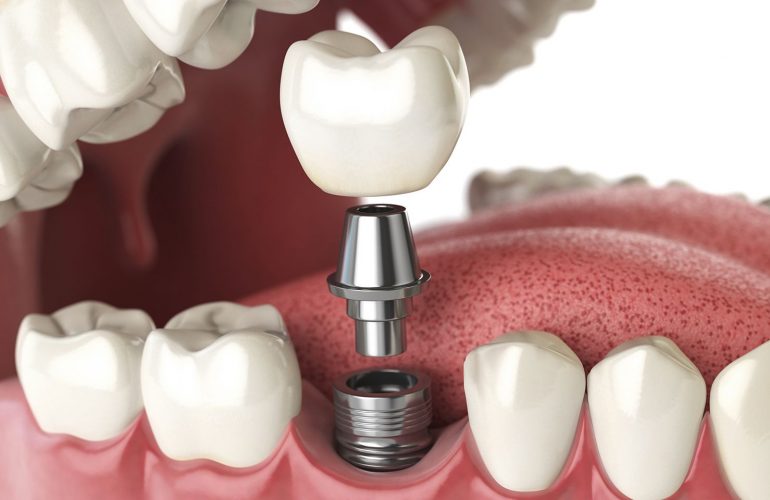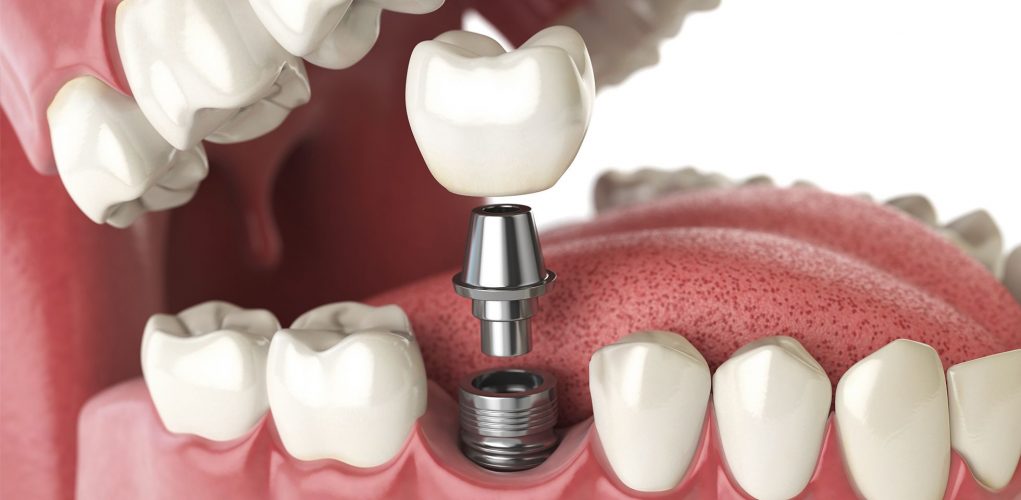
In implant treatment, bone structure often comes to the fore; however, the role of the gum in the implant remaining healthy for many years is at least as important as that of the bone. The gum acts as a barrier protecting the implant against bacteria and also determines the aesthetic result, especially in the front region. In addition, existing gum disease in the mouth can also affect the tissues around the implant. Knowing the relationship between gum health and implants helps you understand why treatment requires some preparatory stages. As DijiDent Oral and Dental Health Polyclinic, we approach implant planning together with periodontal evaluation for our patients in Türkiye.
Before the Implant: Why Should Gum Disease Be Treated First?
Periodontitis is a bacterial disease affecting the tissues that support the teeth. If there is untreated active gum disease in the mouth, the bacteria that cause this disease can also settle around newly placed implants. Research shows that the risk of inflammation around implants may be higher in patients with a history of periodontitis. For this reason, it is recommended that gum disease in the remaining teeth be brought under control before the implant.
Stages of Periodontal Treatment
- Evaluation: Gum pocket depths, bleeding and bone loss are measured.
- Cleaning and root planing: Deposits under the gum are removed.
- Re-evaluation: The response to treatment is measured and additional treatments are planned if necessary.
- Identifying teeth that cannot be preserved: Teeth that cannot be preserved in the long term are included in the implant plan.
After gum disease is brought under control, implant treatment begins. This approach may extend the treatment time somewhat; however, it is an important investment in the long-term health of the implant.
The Importance of Gum Quality
Attached (Keratinized) Gingiva
The firm and immobile band of gum around the implant is called attached gingiva. This tissue makes cleaning easier by reducing sensitivity during brushing and can make the area around the implant more resistant to bacteria. A very narrow band of attached gingiva, or none at all, can lead to brushing discomfort and plaque accumulation in some patients.
Gum Thickness
In thin gums, the titanium color of the implant may show through as a gray shadow, and there may be a greater tendency toward gum recession. Thick gum, on the other hand, provides an advantage in terms of both aesthetics and durability. Especially in the front region, gum thickness is carefully evaluated during planning.
These characteristics are evaluated during the examination and added to the treatment plan if necessary.
Soft Tissue Procedures
When the amount or thickness of the gum is insufficient, soft tissue procedures can be planned before, during or after the implant.
- Free gingival graft: A band of attached gingiva is created around the implant with tissue usually taken from the palate.
- Connective tissue graft: It is applied to increase gum thickness and improve the aesthetic appearance.
- Tissue shaping: With the help of temporary teeth, the gum contour is shaped to suit a natural appearance.
The Effect of Design on Gum Health
Placing the implant at the correct depth and angle, appropriately designing the area where the superstructure meets the gum, and making a cleanable prosthesis directly affect the health of the tissues around the implant. Overly bulky or hard-to-clean designs can make plaque accumulation easier. With cemented crowns, cement residue remaining under the gum can also be a source of inflammation. Digital planning and design help reduce these risks.
After the Implant: Protecting Gum Health
- Daily care: Cleaning around the implant with tools suitable for the prosthesis type.
- Periodontal follow-up: Regular measurements in the remaining teeth and around the implant.
- Professional cleaning: At intervals determined according to the level of risk.
- Managing risk factors: Quitting smoking and keeping blood sugar under control.
The health of the remaining natural teeth is also important for implant success, because the overall bacterial load in the mouth can affect both teeth and implants. For this reason, the follow-up program covers not only the implants but the entire mouth.
Warning Signs
If you notice bleeding, redness, swelling, gum recession, the implant surface becoming visible, or sensitivity while brushing around the implant, it is recommended that you contact your clinic. These symptoms may be a sign of a problem that can easily be managed at an early stage.
Periodontology and Implantology Together
At DijiDent, we plan implant treatment not only in terms of the bone and the implant, but also in terms of the health and quality of the gums. Periodontal evaluation, pre-implant preparation and post-implant follow-up are integral parts of the treatment. This holistic approach aims to achieve more predictable results in terms of both aesthetics and long-term health.
Frequently Asked Questions
Yes; however, it is recommended that gum disease be brought under control first. Regular periodontal follow-up is important afterwards.
The bacteria causing active gum disease can also affect the area around the implant and increase the risk of inflammation.
Depending on its cause and extent, procedures such as soft tissue grafts can be considered.
Aesthetically, it can increase the risk of a gray appearance and recession; gum thickening procedures can be planned if necessary.
It makes cleaning easier, reduces brushing sensitivity and can make the area around the implant more resistant.
Healthy gums are the foundation of healthy implants.
Contact us to book an appointment to have your gum health evaluated and your implant treatment planned holistically. Let us carry out your periodontal and implant evaluation together at DijiDent Oral and Dental Health Polyclinic.
This content is for general information purposes and does not replace an examination by a dentist. The treatment plan and the need for soft tissue procedures are determined after clinical evaluation.