One of the questions most asked by patients considering implant treatment is how long the implant will last. Implants are a successful treatment option that can function for many years under suitable conditions; however, it is not right to give a definite period or a lifetime guarantee for any medical treatment. Implant lifespan is determined by the combination of many factors, and a significant portion of these factors is in the patient’s own hands. As DijiDent Oral and Dental Health Polyclinic, we clearly explain to our patients in Türkiye what can be done for their implants to remain healthy for a long time.
The Implant and the Superstructure Are Not the Same Thing
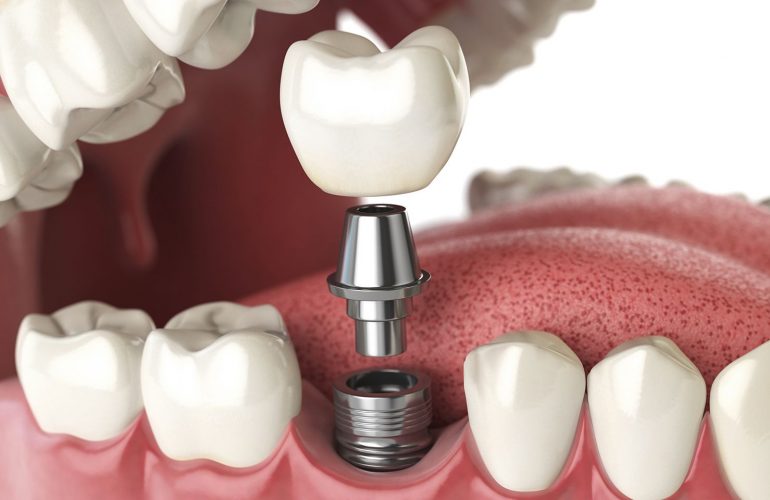
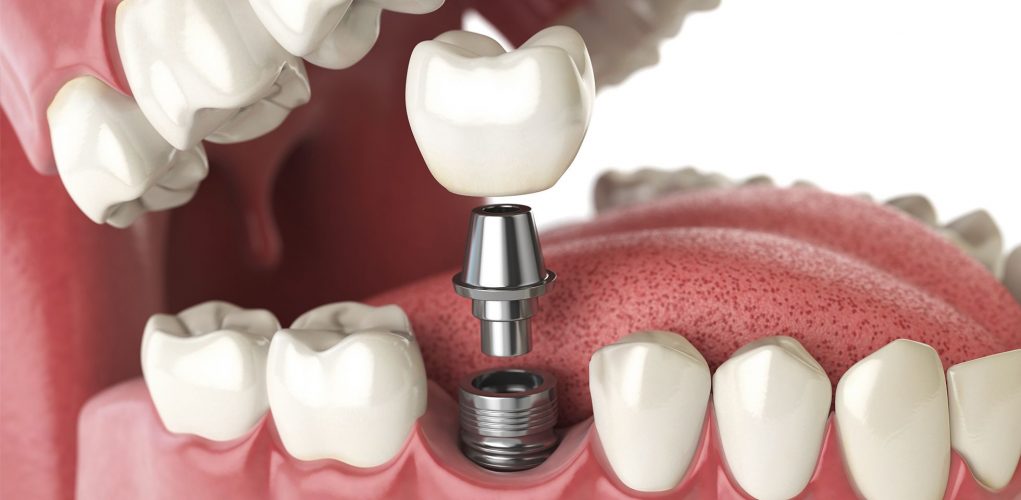
When talking about implant lifespan, it is necessary to distinguish between two separate components. The implant body in the bone can remain in place for a very long time under suitable conditions. The crown, bridge or prosthesis on top of it, however, may wear, fracture or need renewal over time because it is directly exposed to chewing forces. This is similar to crowns on natural teeth being renewed over time. A crown breaking generally does not mean that there is a problem with the implant itself.
Factors Affecting Implant Lifespan
Oral Care
Bacterial plaque accumulating around the implant can lead to inflammation around the implant and bone loss over time. Daily brushing and interdental cleaning suitable for the prosthesis type are among the most important factors in the implant having a long life.
Regular Check-Ups
Problems such as peri-implant mucositis and peri-implantitis usually do not show symptoms at first. Regular check-ups and professional cleaning ensure that these problems are noticed at an early stage and managed easily.
Smoking
Smoking is an important factor that increases both fusion problems in the early period and the risk of inflammation around the implant in the long term.
General Health
Uncontrolled diabetes, some bone metabolism diseases and conditions affecting the immune system can affect the long-term health of the implant. It is important that you report changes in your general health to your dentist.
History of Gum Disease
In patients with a history of periodontitis, problems around the implant may be seen more frequently. Regular periodontal follow-up is especially important in these patients.
Teeth Clenching and Excessive Loads
Clenching and grinding create excessive forces on the implant and superstructure, which can lead to porcelain fractures, screw loosening and component damage. Using a night guard can help reduce these risks.
Quality of Planning and Surgery
Placing the implant within sufficient bone at the correct position and angle, even distribution of forces and designing the superstructure to be cleanable form the basis of long-term success. Digital planning makes important contributions in this respect.
Quality and Fit of the Superstructure
Precise fit of the connection between the implant and the superstructure, the use of original components and correct adjustment of the bite help prevent mechanical problems.
Some of these factors are the responsibility of the dentist, and some are the responsibility of the patient; long-term success is achieved through the cooperation of both sides.
Warning Signs
- Bleeding or redness around the implant
- Purulent discharge or a bad taste
- Gum recession and the implant surface becoming visible
- A feeling of looseness or clicking in the superstructure
- Pain or discomfort when chewing
- Porcelain fracture or crack
When you notice any of these symptoms, it is recommended that you contact your clinic without waiting for the next check-up.
To Protect Your Implant for Many Years
- Daily care: Brushing twice a day and interdental cleaning around the implant every day.
- Check-ups: Examination and professional cleaning at intervals determined according to your risk status.
- Quitting smoking: One of the most effective steps for your implant and your general health.
- Night guard: If you have a clenching habit, evaluate this with your dentist.
- Avoiding hard objects: Do not bite objects such as ice, nutshells and bottle caps.
- Sharing health information: Report new diagnoses and medications to your dentist.
- Keeping documents: Keep your implant card and treatment records.
If the Superstructure Is Renewed
The superstructure may need to be renewed over the years due to wear, fracture or changing aesthetic expectations. As long as the implant is healthy, in most cases the problem is resolved by replacing only the superstructure. This procedure becomes much easier when the implant brand and component information is known. Screw-retained superstructures also provide an advantage in such renewals because they are removable.
Realistic Expectations
The long-term success of implant treatment is supported by scientific studies; however, every patient’s biology, habits and health condition are different. For this reason, at DijiDent, instead of promising our patients a certain period, we openly share the factors affecting the lifespan of the implant and aim to manage these factors together through long-term follow-up.
Frequently Asked Questions
It can function for many years under suitable conditions; however, the duration varies from person to person and a definite period cannot be given.
In many patients it can be used without problems for a long time; however, no lifetime guarantee can be given for any treatment.
Generally not. The superstructure can be repaired or renewed independently of the implant.
Insufficient oral care, smoking, neglected check-ups and uncontrolled systemic diseases are the main risk factors.
The check-up interval is determined by your dentist according to your risk factors.
The life of your implant is extended by the follow-up we do together.
Contact us to book an appointment to have your implant checked or to plan a new implant treatment. Let us create your long-term follow-up plan at DijiDent Oral and Dental Health Polyclinic.
This content is for general information purposes and does not replace an examination by a dentist. Treatment results and implant lifespan vary from person to person; no definite period or guarantee can be given.