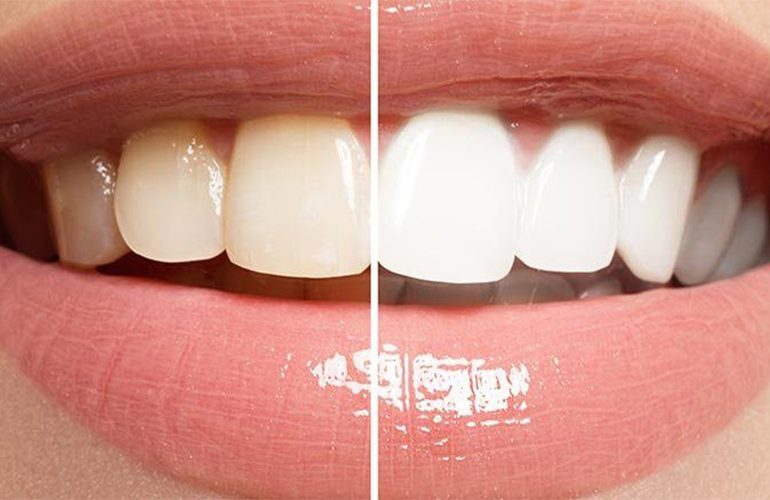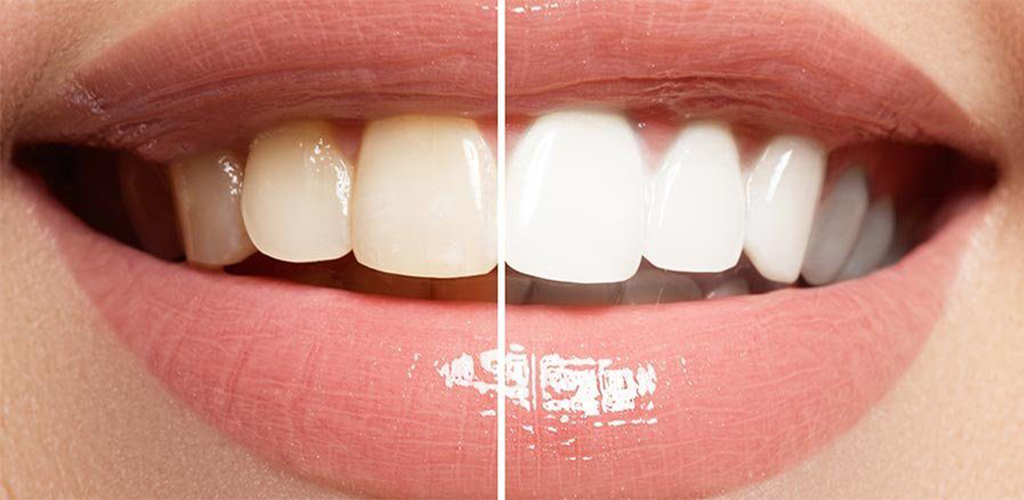
The foods and drinks consumed, especially in the first days, play an important role in maintaining the result achieved after teeth whitening. Immediately after the whitening procedure, the teeth may be temporarily more susceptible to coloring substances. The eating plan applied during this period, based on staying away from coloring foods, is called the white diet. Knowing the rules of the white diet after whitening is one of the simplest and most effective ways to protect the result you have worked for. As DijiDent Oral and Dental Health Polyclinic, we have prepared a practical white diet guide adapted to Turkish cuisine for our patients in Türkiye.
Why Is the White Diet Necessary?
During the whitening procedure, the teeth lose some moisture and the enamel surface may temporarily become more able to retain coloring substances. Intensely colored foods and drinks consumed during this period can cause you to quickly lose part of the result achieved. The white diet aims to minimize contact with coloring substances during this sensitive period when the teeth rehydrate and stabilize.
How Long Should the White Diet Last?
After in-office whitening, the first 48 hours are generally considered the most critical period; some dentists may recommend extending this period by a few more days. In at-home whitening, it is recommended to avoid coloring foods throughout the period of use, especially immediately before and after using the trays. Your dentist determines the period specific to you.
What Can Be Eaten on the White Diet
Protein Sources
- Chicken and turkey: Cooked plainly, without tomato paste or soy sauce.
- White fish: Such as sea bass, sea bream and whiting.
- Egg whites: As an omelet or boiled.
- White cheese and curd cheese: Breakfast essentials.
Carbohydrates
- Rice pilaf: Plain, without vegetables or white in color.
- Pasta: With a white sauce, yogurt or olive oil.
- White bread and bazlama (flatbread)
- Potatoes: Boiled or mashed.
Vegetables and Fruits
- Cauliflower, white cabbage, leeks and mushrooms
- Peeled apples and pears
- Bananas
Drinks
- Water: It is the most suitable drink.
- Milk and ayran: These can be consumed freely.
- Plain mineral water: Provided it is unflavored.
Things to Avoid
- Tea and coffee: These are the most intensely coloring drinks.
- Red wine and cola: Both coloring and acidic.
- Dark-colored fruit juices: Sour cherry, pomegranate, grape and orange juice.
- Tomato paste and tomatoes: Dishes with tomato paste, tomato sauce and ketchup.
- Soy sauce, curry and turmeric: These contain strong color pigments.
- Dark-colored fruits and vegetables: Blackberries, sour cherries, strawberries, beetroot, red cabbage, spinach.
- Chocolate and cocoa: Dark-colored desserts.
- Cigarettes and tobacco products: The habit that most quickly affects the result negatively.
- Colored mouthwashes and toothpastes: Consult your dentist about the use of colored products.
You can think of this list not as a list of prohibitions, but as options you are recommended to stay away from during the white diet. When the period is over, these foods can be consumed again in moderation.
Watch Out for Acidic Foods
Lemon, vinegar, citrus fruits and carbonated drinks, even though they are not coloring, can temporarily make the enamel surface more susceptible and increase sensitivity because of their acidic nature. Limiting the consumption of these foods in the first days after whitening is recommended.
This precaution becomes even more important if you are experiencing sensitivity.
A Sample White Diet Day
- Breakfast: White cheese, curd cheese, boiled egg whites, white bread and milk.
- Lunch: Grilled chicken, plain rice pilaf and ayran.
- Snack: Banana or peeled apple.
- Dinner: Baked sea bass, mashed potatoes and cauliflower.
Practical Adaptations in Turkish Cuisine
During the white diet, dishes without tomato paste can be preferred: options such as baked chicken instead of chicken sauté, vermicelli or yogurt soup instead of red lentil soup, and pasta with yogurt or cream instead of pasta with tomatoes are suitable. At breakfast, options such as white cheese, curd cheese, honey and tahini can be considered instead of olives, jam and tomatoes. Those with a tea-drinking habit can prefer warm milk or light-colored herbal teas during this period, after consulting their dentist.
After the White Diet
After the white diet period is over, you can return to your normal diet. However, to maintain whiteness for a long time, it is beneficial to reduce how often you consume coloring drinks, rinse your mouth with water after consuming them, use a straw with cold and colored drinks and continue brushing regularly. Immediately after consuming a coloring drink, especially if it is acidic, it is recommended that you first rinse with water and wait a while rather than brushing.
Let Us Protect It Together
At DijiDent, after whitening we provide you with personalized nutrition and care recommendations in writing, and we follow the maintenance of the result together with color measurement at check-up appointments.
Frequently Asked Questions
The first 48 hours are generally recommended; your dentist may recommend a longer period.
Chicken, white fish, rice, pasta, white cheese, milk, yogurt and light-colored vegetables and fruits.
It is not recommended. Smoking is the habit that most quickly affects the result negatively.
It can help with cold and colored drinks by reducing contact with the front teeth.
Yes; however, reducing how often you drink it and rinsing with water afterwards helps maintain the whiteness.
Let us protect your whiteness from the very first day.
Contact us to book an appointment to get information about whitening and the care plan to be followed afterwards. Let us share our personalized recommendations with you at DijiDent Oral and Dental Health Polyclinic.
This content is for general information purposes and does not replace an examination by a dentist. The duration and scope of the white diet are determined according to your dentist’s recommendations.