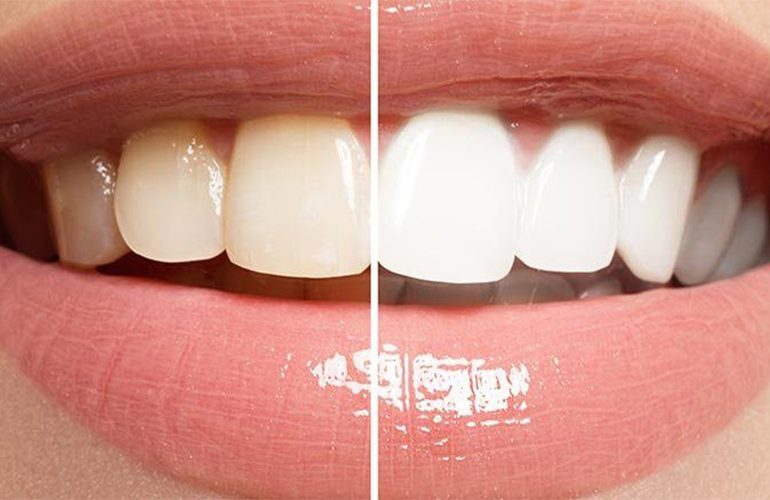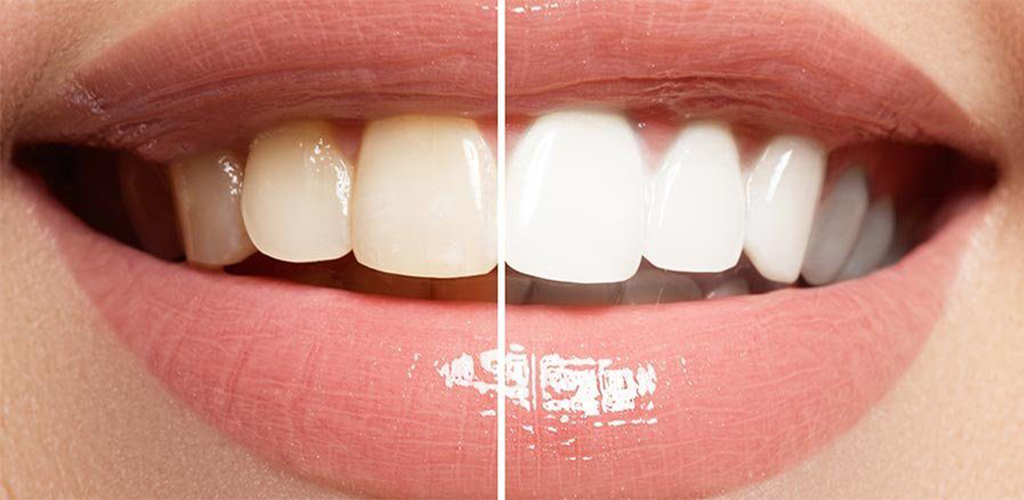
The gels used in teeth whitening are designed to be effective only on the teeth; however, they can lead to irritation when they come into contact with the gums. For this reason, one of the most important elements of safe whitening is protecting the gums correctly. In addition, the gums being healthy before whitening directly affects both comfort and the result. Having information about whitening and gum protection allows you to go through the procedure more safely and comfortably. As DijiDent Oral and Dental Health Polyclinic, we plan whitening for our patients in Türkiye with gum health as a priority.
How Does Whitening Gel Affect the Gums?
The peroxide in whitening gels can lead to temporary irritation when it comes into contact with soft tissues such as the gums. At the contact area, the gum may briefly turn white, and a burning or stinging sensation may occur. This whitening usually disappears within a few hours and the gum returns to its normal color. If the contact lasts a long time or high-concentration gel is used without protection, more marked irritation and small sores may be seen.
Gum Health Before Whitening
Inflamed gums are more sensitive to whitening gel and the risk of irritation is higher. In addition, gum disease can also prevent whitening from working evenly due to plaque and tartar accumulated around the teeth. For this reason, before whitening:
- Gum examination: Gum inflammation, pockets and recession are evaluated.
- Professional cleaning: Tartar and plaque are cleaned.
- Gum treatment: If necessary, gum disease is treated before whitening.
- Healing period: After cleaning or gum treatment, a period is waited for the gums to heal.
Gum Protection in In-Office Whitening
Since higher-concentration gels are used in whitening done in the clinic, protecting the gums is especially important. Before the procedure, a special light-cured protective barrier is applied to the gums. This barrier completely covers the gum margin and prevents the gel from contacting the gums. In addition, mouth openers that keep the lips and cheeks away from the teeth are used. The integrity of the barrier is checked throughout the procedure.
Gum Protection in At-Home Whitening
Custom Trays
Trays prepared by the dentist specifically for your teeth are designed to minimize the overflow of gel onto the gums. Ready-made and standard trays, on the other hand, increase the risk of gel overflowing onto the gums because they do not fit the mouth exactly.
The Right Amount of Gel
The most common mistake in at-home whitening is putting more gel than necessary in the tray. Excess gel overflows from the edges of the tray and comes into contact with the gums. Your dentist shows you how much gel you should put in the area corresponding to the front surface of each tooth. After the tray is inserted, overflowing gel should be wiped away with a soft brush or a clean finger.
Following the Duration of Use
Use for longer than recommended increases the risk of gum irritation. It is important that you follow the duration and frequency set by your dentist.
Gum Recession and Root Surfaces
Root surfaces exposed due to gum recession are not covered with enamel. These surfaces do not respond to whitening as well as enamel and are more prone to sensitivity after whitening. In this case, the root surfaces can be covered with protective materials, or it can be ensured that gel is not applied to these areas during whitening. Aesthetically, the color difference on the root surfaces can be evaluated afterwards with gum treatments or restorative methods.
What to Do If Gum Irritation Occurs?
- Remove the gel: Immediately wipe away the gel that has contacted the gum and rinse your mouth with water.
- Pause the application: If the irritation is marked in at-home whitening, take a break for a few days and consult your dentist.
- Avoid irritating foods: Spicy, acidic and very hot foods can increase irritation.
- Check-up: In the case of sores, swelling or irritation that does not go away within a few days, consult your dentist.
These measures allow the irritation to go away quickly in most cases.
Gum Care After Whitening
After whitening, it is recommended that you use a soft toothbrush and gently clean the gum margin. Regular interdental cleaning and professional check-ups help you protect both your gum health and the whitening result. If you notice a change in your gum health, inform your dentist before the next whitening application.
Health First, Then Aesthetics
At DijiDent, we plan whitening on healthy gums, and we protect your gums with protective barriers in the clinic and with custom trays and detailed usage training at home.
Frequently Asked Questions
Contact of the gel with the gum can lead to temporary irritation; with suitable protection, this risk is greatly reduced.
Short-lived whitening usually disappears within a few hours; it is not permanent.
It is recommended that the gum disease be treated first.
The amount your dentist showed you; excess gel can overflow onto the gums and lead to irritation.
They do not respond as well as enamel and are more prone to sensitivity; special precautions are taken.
White teeth are beautiful with healthy gums.
Contact us to book an appointment for a safe whitening plan that also looks after your gum health. Let us carry out your personalized evaluation at DijiDent Oral and Dental Health Polyclinic.
This content is for general information purposes and does not replace an examination by a dentist. Whitening should only be done with a dentist’s examination and supervision.