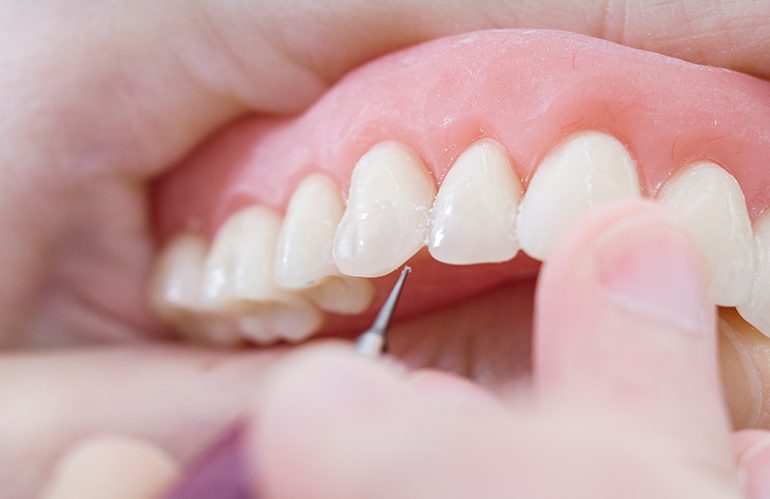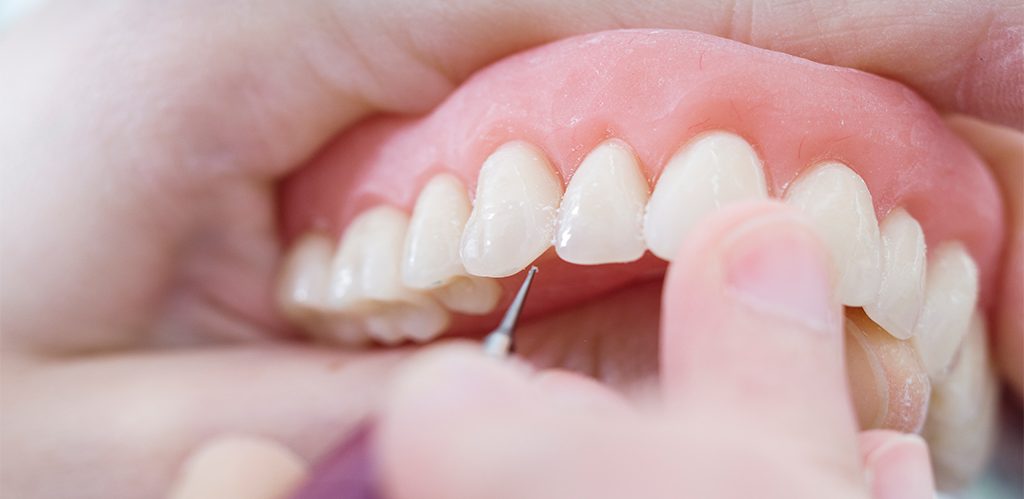
A new prosthesis is a structure that was not in your mouth before. It takes time for the tongue, cheek and lip muscles to learn to work together with this structure. The difficulties experienced during this period usually do not mean that the prosthesis has been made poorly; they are a natural part of the adaptation process. Managing the process of getting used to a prosthesis correctly is one of the most important factors determining the result. As DijiDent Oral and Dental Health Polyclinic, in Türkiye we keep our patients under close follow-up during this period.
What Is Normal in the First Days?
- A feeling of fullness and of a foreign object in the mouth
- Increased saliva secretion
- Differences in the pronunciation of some sounds
- Hesitation and slowing down in chewing
- Mild pressure points
- A temporary change in taste perception
These symptoms usually decrease over time. However, significant pain, sore formation or the prosthesis constantly falling out are not considered normal; these require a check-up.
Speech Adaptation
The sounds people struggle with most are S, SH, F, V and T. Since the contact point the tongue makes with the palate or teeth changes, pronunciation may differ in the first days. To speed up adaptation, we recommend reading aloud; short reading sessions of fifteen minutes, several times a day, make a noticeable difference. Slowly repeating words that are difficult is also effective.
Talking on the phone is a good practice method because you hear your voice with your own ears. In most patients, speech adaptation happens faster than chewing adaptation.
Eating
Eating adaptation should progress gradually. In the first days, you start with soft foods; chewing in small bites and using both sides at the same time is recommended. Chewing on one side causes the prosthesis to move. Avoid biting with your front teeth; cut foods such as apples or sandwiches into small pieces.
Sticky foods, nuts and very hard foods should be postponed at the beginning. Dietary variety can be increased over time. There is an important warning here: a narrowing of the diet due to not being able to eat may lead to weight loss and nutrient deficiency, especially in the older age group. In this case, you need to come for a check-up instead of waiting.
The Gagging Sensation
Especially in upper complete dentures, covering the palatal area may trigger the gag reflex. This sensation decreases over time in most patients. Breathing slowly through the nose, wearing the denture for short periods at first and gradually increasing the time, and directing attention elsewhere may help. If the complaint persists, adjusting the posterior border of the denture is considered.
Timing of Fit Check-Ups
Several check-up appointments are planned in the first weeks after the new prosthesis is delivered. These appointments are not unnecessary; as the tissues come into contact with the prosthesis, pressure points emerge and are eliminated with small adjustments. Neglecting check-ups may cause a small discomfort that could have been corrected to turn into a sore.
Adapting to Fixed Prostheses
The adaptation process for fixed prostheses is usually shorter because they take up less space in the mouth. Still, there may be a difference in the feeling of biting in the first days. If you feel a noticeable contact or if sensitivity develops in a tooth, do not wait; a restoration that remains high is adjusted in a short check-up session.
Psychological Adaptation
For some patients, tooth loss and the use of a prosthesis are not only a physical change. Behaviors such as avoiding smiling, not eating in social settings or keeping conversations short may be seen. These reactions are common and are nothing to be ashamed of. As the adaptation process progresses, this shyness decreases in most patients. If you feel you are struggling, sharing this with your dentist allows the process to be planned for you.
Recommendations for Relatives
If you want to support a relative who has started using a prosthesis, being a patient listener is the most effective approach. Instead of correcting them while they speak, you can accompany their reading-aloud exercises and offer options suitable for the transition period when preparing meals. If you see a tendency to avoid social settings, it is valuable to remind them that this is a temporary adaptation period and to accompany them to their check-up appointments.
Frequently Asked Questions
Start with soft options such as soup, yogurt, well-cooked vegetables and minced meat, and diversify gradually.
It varies from person to person. Regular use speeds up the process significantly.
If there is pain, you can remove it; however, wearing it for a few hours before coming to the check-up makes it easier to identify the pressure point.
The thickness and borders of the prosthesis are evaluated; in most cases, improvement is achieved with adjustment.
No, this should not be ignored. If your diet is narrowing, come for a check-up.
For removable prostheses, it is usually recommended to remove them; follow your dentist’s instructions.
If you are struggling, do not wait.
Most adaptation problems are solved in a short check-up session. Contact us to book an appointment; let us evaluate the fit of your prosthesis at DijiDent Oral and Dental Health Polyclinic.
This content is for general information purposes. The adaptation process and recommendations are personalized by your dentist according to the clinical situation.