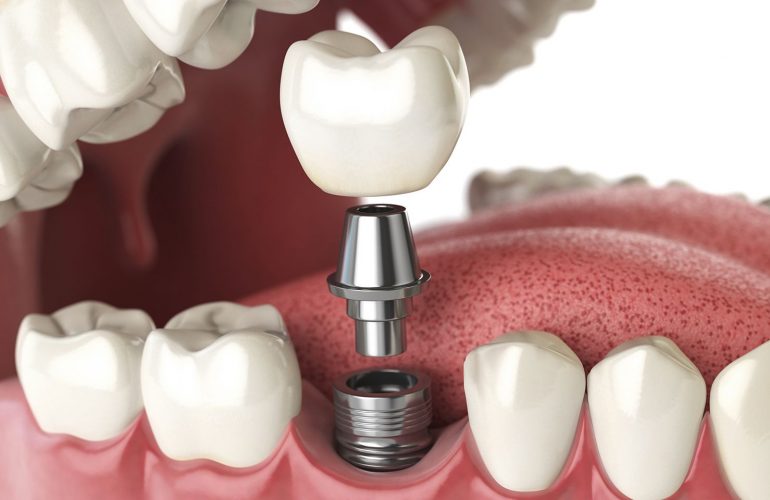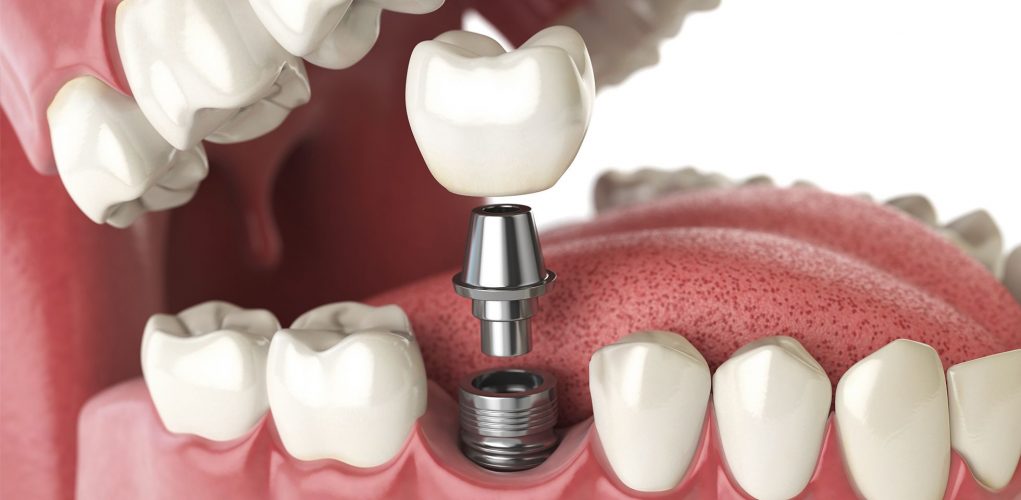
The success of an implant depends not only on what is done during surgery, but also on the care shown during the subsequent healing period. Tissue healing takes place in the first days, and the implant’s fusion with the bone in the following months. During this process, following your dentist’s recommendations contributes to preventing possible complications and to healthy fusion. Knowing what you need to do to go through the healing period after an implant consciously reduces your anxiety and makes the process easier. As DijiDent Oral and Dental Health Polyclinic, we have prepared a guide covering this period for our patients in Türkiye.
The First 24 Hours
- Gauze pack: Keep the gauze given to you in place by biting gently on it for the period your dentist specifies.
- Cold application: Apply ice wrapped in a cloth or a cold compress to the cheek intermittently.
- Do not spit or rinse: To protect the blood clot, avoid rinsing your mouth vigorously and spitting on the first day.
- Do not eat until the anesthesia wears off: Do not eat until the numbness wears off; you may bite your cheek and lip.
- Rest: Avoid intense physical activity and rest with your head elevated.
- Medications: Use the medications your dentist recommends as indicated.
The First Week
Swelling and Bruising
Swelling usually reaches its most pronounced level on the second and third days and then begins to decrease. Especially in cases where more than one implant or bone grafting has been done, bruising may be seen on the face and disappears within a few days. After the first day, when the swelling begins to decrease, your dentist may recommend warm application.
Pain
Mild to moderate pain may be seen in the first few days and is usually brought under control with the recommended painkillers. After a single implant, pain is often milder than expected.
Bleeding
It is normal for saliva to be pinkish on the first day. In the case of active bleeding, it is recommended that you place a clean gauze on the area and bite gently. In the case of bleeding that does not stop, contact your clinic.
Nutrition
In the first days, prefer lukewarm, soft and nourishing foods: yogurt, soup, purée, eggs and well-cooked vegetables are suitable options. Avoid very hot, spicy, hard and crumbly foods. Do not chew with the implant area. Drink plenty of water; avoid using a straw. Continue not to chew hard foods on the implant side for the period your dentist recommends.
Oral Care
Oral hygiene is very important to reduce the risk of infection. From the second day onward, continue to brush your other teeth normally; clean the implant area gently with a soft brush as your dentist recommends. If your dentist deems it necessary, they may recommend an antiseptic mouthwash for a certain period. Do not press directly on the stitches with the brush.
Smoking and Alcohol
Smoking negatively affects tissue and bone healing by reducing blood flow; it increases the risk of the implant not fusing with the bone and the likelihood of infection. It is strongly recommended that you stay away from smoking for as long as possible before and after surgery. Alcohol should not be consumed in the first days, as it may interact with medications and affect healing.
Physical Activity
In the first days, avoid intense exercise, heavy lifting and tasks that require bending over; these activities can trigger bleeding and swelling by raising blood pressure. Light walks can usually be done after a few days. Consult your dentist about when to return to intense training.
Removable Denture Use
If you use a removable denture that sits over the implant area, it needs to be adjusted by your dentist so that it does not put pressure on the implant area. Do not wear the denture until your dentist allows it, or use it only as recommended.
Stitches and Check-Ups
Stitches are usually removed between a few days and two weeks; some stitches dissolve on their own. Healing is evaluated at planned check-up appointments. Additional check-ups may be done during osseointegration.
In Which Situations Should You Call the Clinic?
- Increasing pain or swelling: If it increases instead of decreasing after the third day.
- Fever: High fever or weakness.
- Bleeding that does not stop: Bleeding that continues despite pressure.
- Bad odor or discharge: Purulent discharge and a bad taste.
- Numbness: Numbness of the lip or chin that continues after the effect of the anesthesia has worn off.
- Feeling of movement: Mobility in the implant or the healing abutment.
If a Temporary Tooth Was Attached on the Same Day
In suitable cases, a temporary tooth can be attached on the implant immediately. This temporary tooth is for aesthetic purposes and is designed to be protected from chewing forces. Until fusion with the bone is complete, you need to take care not to bite with this tooth and not to chew hard foods. If you notice loosening or a fracture in the temporary tooth, inform your clinic.
Long-Term Healing
After the first weeks, surface tissue healing is largely complete; however, the implant’s fusion with the bone takes months. During this period, it is important that you continue to protect the area from excessive loads and to take care of your oral hygiene.
Frequently Asked Questions
It is usually most pronounced on the second and third days and then decreases. It may last longer after extensive procedures.
You can start with lukewarm and soft foods after the anesthesia wears off.
It is not recommended. Smoking can negatively affect healing and fusion with the bone.
Light activities can begin after a few days; consult your dentist for intense training.
Yes, continue brushing your other teeth; gently clean the implant area as your dentist recommends.
We are by your side at every step of your healing process.
Contact us with your questions about your healing after an implant or for your check-up appointment. Let us follow your healing closely at DijiDent Oral and Dental Health Polyclinic.
This content is for general information purposes and does not replace an examination by a dentist. Recommendations specific to your procedure are given separately by your dentist; medications should only be used on a physician’s recommendation.