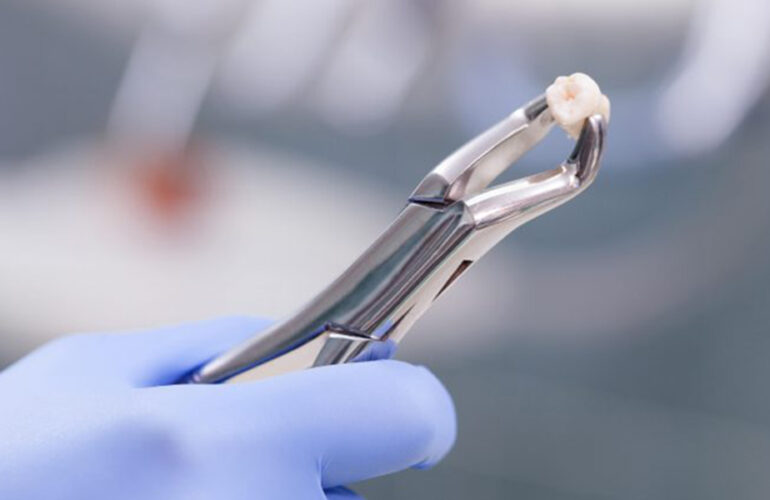
Dental problems that arise during pregnancy can be a serious source of anxiety for expectant mothers, along with the worry of harming the baby. Many people think that they must wait until the birth no matter what. Yet untreated dental infections, pain and stress are also undesirable during pregnancy. Tooth extraction during pregnancy can be safely planned with appropriate timing and precautions when necessary. As DijiDent Oral and Dental Health Polyclinic, we plan the treatment of expectant mothers in Türkiye in harmony with their obstetricians.
Why Can Dental Problems Increase During Pregnancy?
During pregnancy, hormonal changes can increase the response of the gums to bacterial plaque, leading to pregnancy gingivitis. Nausea and vomiting can expose the enamel surface to acid. Changes in eating habits and frequent snacking can increase the risk of caries. The gum around partially erupted wisdom teeth can also become inflamed more easily during this period.
The Risks of Postponing Extraction
An infected tooth can lead to an abscess, facial swelling and fever over time. Severe pain negatively affects sleep and nutrition, stress increases and more medication use may be required. For this reason, postponing treatment is not recommended in urgent and necessary situations. The decision is made by comparing the risks of postponement with the risks of treatment.
Which Period Is More Suitable?
The First Trimester
During this period, when the baby’s organ development continues, elective, that is, postponable procedures are generally postponed. However, emergencies such as severe pain, abscess and spreading infection are evaluated without waiting and the necessary intervention is made.
The Second Trimester
It is generally considered the most suitable period for necessary dental treatments and extractions. Nausea has often decreased and the expectant mother can sit more comfortably in the chair.
The Third Trimester
The growing uterus pressing on the large blood vessels when lying on the back can cause dizziness. During this period, procedures are kept short, and the expectant mother’s position is supported by having her lie slightly on her left side. Non-urgent extractions can be planned for after the birth.
Is Local Anesthesia Safe?
Local anesthetics used in dentistry are considered usable during pregnancy when an appropriate agent and dose are chosen. Performing a procedure with pain is less desirable than avoiding anesthesia, as it causes stress to the mother. The anesthetic agent and amount are chosen by your dentist taking your pregnancy into account.
Can X-Rays Be Taken?
An X-ray may be needed before the extraction to evaluate the root structure of the tooth. Dental X-rays are taken at a low dose and directed at the mouth area. During pregnancy, only images that are truly necessary are taken and protective measures are applied. Comprehensive evaluations requiring three-dimensional imaging are postponed until after the birth if possible.
Medication Use
The choice of painkillers and antibiotics during pregnancy requires special attention. Some painkillers are not recommended during certain periods of pregnancy. After the extraction, use only the medications your dentist recommends, at the specified dose and duration. When necessary, your dentist makes a joint decision by contacting your obstetrician. Do not use any medication on your own.
Wisdom Teeth During Pregnancy
Gum inflammation developing around a partially erupted wisdom tooth may be seen more frequently during pregnancy. In many situations, the inflammation can be brought under control by cleaning the area and with antiseptic applications on the dentist’s recommendation, and the extraction can be planned for after the birth. In recurrent or severe infections, however, extraction can be considered in a suitable period of the pregnancy.
Care After Extraction
Care after extraction during pregnancy is largely the same as general post-extraction recommendations: biting on the gauze for the recommended period, avoiding vigorous rinsing and spitting on the first day, eating lukewarm and soft foods and drinking plenty of fluids. In the event of increasing pain, swelling, fever or bleeding that does not stop, contact your clinic.
Preparation Before the Appointment
- Report your pregnancy: State at the beginning of the examination that you are pregnant or that you may be pregnant.
- Inform your obstetrician: Get their opinion about the planned procedure.
- Do not come hungry: Have a light meal to prevent dizziness caused by low blood sugar.
- Choose a comfortable time: Prefer the hours when your nausea is at its lowest.
Tooth Extraction While Breastfeeding
Tooth extraction can be done while breastfeeding. Local anesthetics and many common painkillers are considered compatible with breastfeeding at appropriate doses. If you inform your dentist that you are breastfeeding, medications are chosen accordingly.
Dental Check-Up Before Pregnancy
Women planning a pregnancy having a dental check-up and completing the necessary treatments before becoming pregnant helps prevent emergencies that may arise during pregnancy. It is especially recommended that partially erupted wisdom teeth with the potential to cause problems be evaluated before pregnancy.
Frequently Asked Questions
Yes. When necessary, it can be done with the appropriate period and precautions; emergencies are evaluated without waiting.
For non-urgent procedures, the second trimester is generally considered the most suitable period.
Local anesthesia with an appropriate agent and dose is considered usable during pregnancy.
During pregnancy, the choice of medication must be made by your physician; do not use medications on your own.
Yes. If you report that you are breastfeeding, the extraction can be done with suitable medications chosen.
A safe plan for you and your baby.
If you have a dental problem during pregnancy or want to have a pre-pregnancy check-up, contact us to book an appointment. Let us plan your treatment in harmony with your obstetrician at DijiDent Oral and Dental Health Polyclinic.
This content is for general information purposes and does not replace an examination by a dentist. Treatment and medication decisions during pregnancy should be made through the joint evaluation of your dentist and your obstetrician.