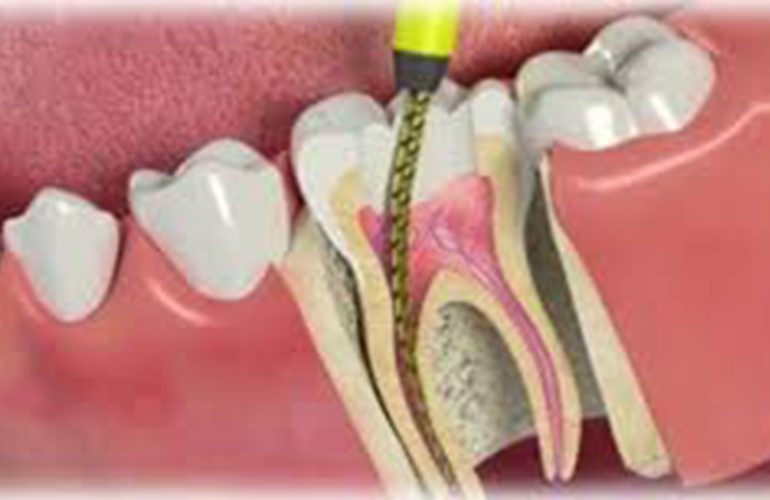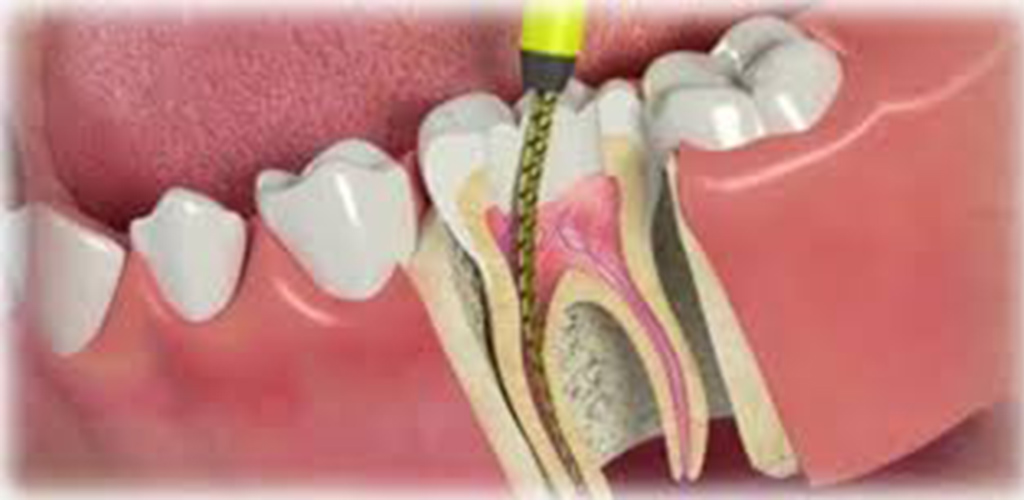
The first question that comes to the mind of many people experiencing severe toothache is whether extracting the tooth is a faster and easier solution. Yet this decision affects not only today’s pain but also chewing function over the years, the neighboring teeth and possible additional treatments. The answer to the question of root canal treatment or extraction varies according to the preservability of the tooth and the person’s general oral health. As DijiDent Oral and Dental Health Polyclinic, we attach importance to making the decision together by clearly presenting both options with their pros and cons to our patients in Türkiye.
The Value of the Natural Tooth
Thanks to the connective tissue called the periodontal ligament, the natural tooth absorbs chewing forces and provides sensory feedback against these forces. No artificial restoration can fully imitate these features. For this reason, keeping a preservable natural tooth in the mouth is generally considered a priority goal in dentistry.
Factors Determining Whether a Tooth Can Be Preserved
- Remaining healthy tooth tissue: Whether there is enough tissue in the crown part to carry a restoration.
- Root crack: Vertical root cracks that affect the root along its length usually make preserving the tooth difficult.
- Supporting tissues: Advanced bone loss and pronounced mobility can negatively affect the prognosis.
- Depth of caries: Caries progressing below the bone level can make restoration difficult.
- Root anatomy: Extremely curved or calcified canals can make treatment difficult; however, treatment is usually possible.
- The strategic importance of the tooth: Whether it will play a supporting role in chewing or in a planned prosthesis.
Advantages of Root Canal Treatment
- The natural tooth is preserved: Chewing function and the natural feeling continue.
- Neighboring teeth are not affected: Since no gap forms, problems such as shifting and elongation are not seen.
- Bone is preserved: As long as the tooth stays in the mouth, the jawbone around it is also preserved.
- The need for additional treatment is limited: The process is usually completed with root canal treatment and an upper restoration.
What Happens After Extraction?
The gap formed when a tooth is extracted can lead to a series of changes in the mouth over time. Neighboring teeth may tilt into the gap, the tooth in the opposing jaw may elongate because it has lost its counterpart and the bite balance may be disturbed. The bone in the extraction area also tends to resorb over time. For this reason, especially in the molar region, it is usually recommended that a prosthesis be made to replace the extracted tooth.
Implant or Bridge
An implant or bridge can be made to replace the missing tooth. An implant makes it possible to replace the missing tooth without touching the neighboring teeth; however, it may require a surgical procedure, a healing period and, in some cases, bone augmentation procedures. A bridge, on the other hand, requires the neighboring teeth to be cut and used as support. Both options are valuable solutions; however, they are considered alternatives to be resorted to when the tooth has been lost, rather than replacements for a preservable natural tooth.
In Which Situations Might Extraction Be More Appropriate?
In teeth with a vertical root fracture, with tissue loss too great to be restored, with advanced loss of supporting tissues, or in situations where the infection cannot be brought under control despite repeated treatments, extraction may be a more realistic option. In addition, extraction may be preferred as part of an orthodontic treatment plan or for non-functional wisdom teeth. It is important that this decision be based on a detailed clinical and radiographic evaluation.
The Role of Imaging in the Decision Process
Three-dimensional dental tomography can provide important information in evaluating root cracks, the size of the lesion at the root tip, additional canals and bone support. This information helps a sounder decision to be made about the preservability of the tooth. At DijiDent, when necessary, we examine this imaging data together with our patients and openly share the rationale for the decision.
A Long-Term Planning Perspective
When deciding, it is useful to think not only about today’s treatment but also about the years ahead. A tooth preserved with root canal treatment and an upper restoration can function for a long time with regular care and check-ups. When extraction is preferred, the planning of the treatment to replace the missing tooth, healing times and the maintenance and renewals that may be needed in the coming years should also be taken into account. Both paths have their own process. At DijiDent, we help our patients make an informed decision by visualizing these processes step by step.
Pain Should Not Rush the Decision
Severe pain may not be a suitable moment for a permanent decision. In most cases, the pain can be brought under control with an initial intervention done on the same day, and the decision about the future of the tooth can be made with a calm evaluation. An extracted tooth cannot be brought back; for this reason, it is recommended that you learn all the options before deciding.
Frequently Asked Questions
It is technically possible; however, extracting a preservable tooth may create the need for additional treatment such as an implant or bridge in the future. Evaluate the options with your dentist.
An implant is a successful option; however, it is generally not recommended to prefer it instead of a preservable natural tooth. Both require care.
The chance of preservation may be low in teeth with a vertical root fracture, tissue loss too great to be restored or advanced loss of support. The decision is made by examination.
Neighboring teeth may shift, the opposing tooth may elongate and bone resorption may be seen. An evaluation is recommended, especially in the molar region.
Getting a second opinion is a reasonable approach, especially before irreversible decisions. Your images can be shared.
Irreversible decisions should be made with clear information.
Contact us to book an appointment to learn whether your tooth can be preserved and evaluate the options together. Let us present all the options to you transparently at DijiDent Oral and Dental Health Polyclinic.
This content is for general information purposes and does not replace an examination by a dentist. The treatment decision is made together with the patient after clinical and radiographic evaluation.