There are many teeth whitening products on social media, websites and in stores: whitening kits, light devices, gels, pens and strips. These products can seem attractive because they are easily accessible and promise results without going to a dentist. However, not every product is safe or effective; uncontrolled use can carry various risks for tooth and gum health. Having information about the risks of at-home whitening products allows you to make informed and safe choices for your smile. As DijiDent Oral and Dental Health Polyclinic, we explain to our patients in Türkiye the importance of a dentist’s evaluation before whitening.
Why Are There Legal Regulations?
The concentration of hydrogen peroxide used in whitening products is regulated under cosmetics legislation. In Türkiye too, in parallel with European Union regulations, products containing peroxide above a certain level are intended to be used only by dentists or under a dentist’s supervision. The use of such products is generally not recommended for people under 18 years of age. These regulations aim to prevent harm that may arise from the incorrect or excessive use of products.
Possible Risks of Products Used at Home
Use Without Examination
When it is not evaluated before whitening whether there are caries, leaking fillings, cracks, exposed root surfaces or gum disease, the whitening agent can reach the inside of the tooth more easily through these areas. This can lead to severe sensitivity and pain. In addition, the cause of the color change, for example caries or a tooth that has lost its vitality, may be overlooked.
Ill-Fitting Trays
Since ready-made and standard trays do not fit the mouth exactly, the whitening gel can overflow onto the gums. This can cause burning, whitening and irritation in the gums. In addition, the gel not making even contact with the teeth can produce an uneven and blotchy result.
Products with Unclear Content
The content of some products bought online or from unregulated sources may not match the label. They may contain high-concentration peroxide or abrasive and acidic substances. These products can damage the enamel surface and cause severe sensitivity.
Excessive and Long-Term Use
Using products more often or for longer than recommended to get quick results increases the risk of sensitivity and gum irritation. When the result is not followed up by a dentist, it may also remain unclear when to stop.
Light Devices
The contribution of light devices sold for home use to the whitening result is limited, and what mainly determines the result is the gel used. These devices are generally sold together with gel, and the risks above apply to these products as well.
Restorations
Applications done without knowing that fillings and crowns do not whiten can lead to color mismatch and a subsequent need for additional treatment.
A significant portion of these risks stem not so much from the product itself as from its uncontrolled use without a dentist’s evaluation.
Why Might Store-Bought Products Not Meet Expectations?
A significant portion of freely sold products contain a low concentration of active ingredients due to legal limits or are aimed only at reducing surface stains. For this reason, they may have a limited effect on intrinsic discolorations. Not getting the expected result can steer users toward stronger and unregulated products; this increases the risks.
This can create a cycle that may lead to unnecessary spending on products and damage to the teeth.
Whitening in Teenagers
In teenagers under 18 years of age, the pulp chamber of the teeth is larger and the teeth are still developing. For this reason, sensitivity to whitening products may be more pronounced. Under the influence of social media, the use of whitening products may increase among young people; it is recommended that parents be careful about this and direct young people to a dentist’s evaluation.
Beware of Social Media Recommendations
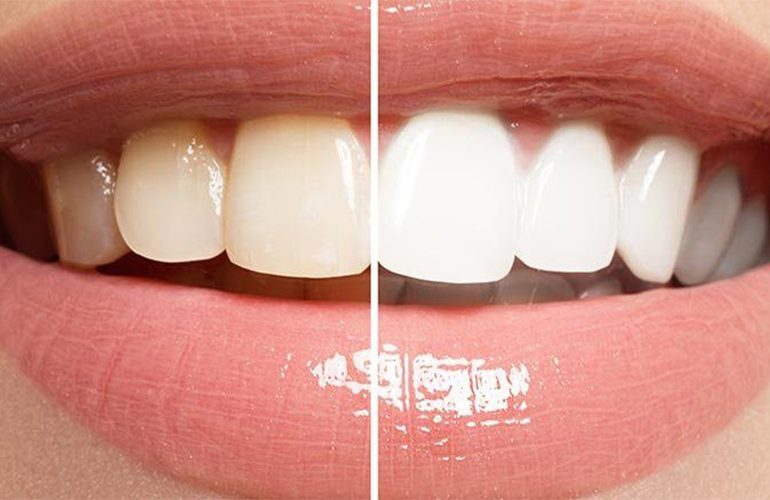
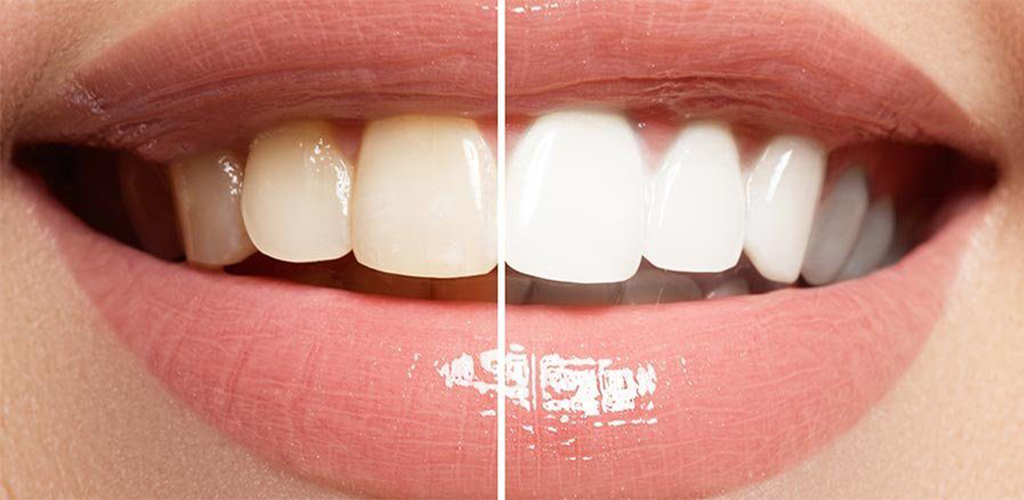
Before-and-after images shared on social media may not reflect reality due to lighting, filters and editing. The recommendations of people promoting products are also often not based on the evaluation of a health professional. Before trying a product, it is recommended that you consult a dentist about its content and reliability.
Warning Signs
- Severe or prolonged sensitivity
- Burning, whitening or sores on the gums
- Uneven, blotchy whitening of the teeth
- Persistent pain in a single tooth
If you experience any of these symptoms, stop using the product and consult a dentist.
A Safe Alternative: Dentist-Supervised At-Home Whitening
If you want to whiten your teeth at home, the safest way is dentist-supervised at-home whitening. In this method, a comprehensive examination is done first, problems are treated, trays specific to your teeth are prepared and gel of a suitable concentration is given to you. The process is followed up with check-up appointments and sensitivity is managed. At DijiDent, we offer this method as an option that combines the convenience of home use with the safety of dentist supervision.
Frequently Asked Questions
Dentist-supervised at-home whitening is considered safe; uncontrolled products, however, can carry various risks.
Products with unclear content or high concentrations can lead to sensitivity and gum irritation.
Contact of the gel with the gums can cause burning and irritation; well-fitting trays reduce this risk.
It is generally not recommended; it is recommended that young people be directed to a dentist’s evaluation.
The contribution of light is limited; what mainly determines the result is the gel used.
The safe way to whiten at home: dentist supervision.
Contact us to book an appointment for a suitable and safe at-home whitening plan. Let us prepare your custom trays for your teeth at DijiDent Oral and Dental Health Polyclinic.
This content is for general information purposes and does not replace an examination by a dentist. It is recommended that you consult a dentist before using whitening products.