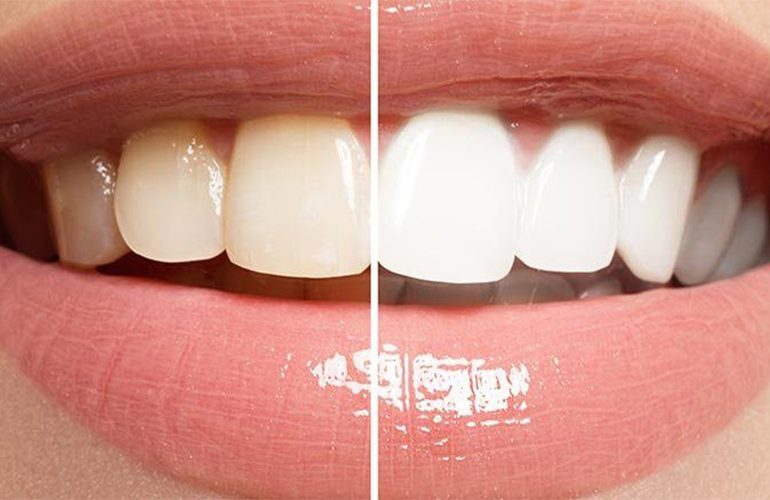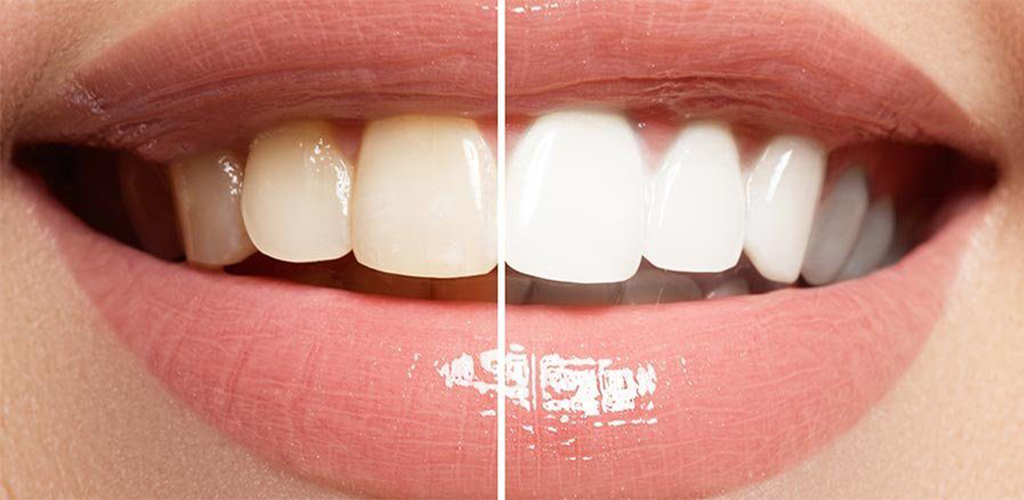
She wants to understand why the discoloration did not go away completely with cleaning.
- Kerem (40), who had whitening done and was not satisfied with the result: He wonders why his teeth did not give the expected response.
- Mr. Nail (57), who has both yellowing and brown stains on his teeth: He asks which will go away with cleaning and which with whitening.
- Esra (26), who thinks her teeth are naturally yellowish: She wants to learn how much her own tooth color can change with whitening.
- Tuna (30), who uses whitening toothpaste: He wants to understand which types of stains the toothpaste affects.
Color changes in the teeth are divided into two main groups according to their source: extrinsic discolorations that accumulate on the surface of the tooth and intrinsic discolorations that originate from the internal structure of the tooth. This distinction directly determines which treatment will be effective. Just as whitening a surface stain may be unnecessary, trying to remove an internally caused color change with cleaning alone can also lead to disappointment. Knowing the difference between intrinsic and extrinsic discoloration allows you to turn to the right treatment and form realistic expectations. As DijiDent Oral and Dental Health Polyclinic, we evaluate the type of discoloration in detail before whitening in our patients in Türkiye.
What Is Extrinsic Discoloration?
Extrinsic discoloration is caused by coloring substances that adhere to the enamel surface or to plaque and tartar accumulated on the surface. Since the coloring substances are located on the outer surface of the tooth, they can generally be removed with mechanical methods.
Main Causes
- Tea, coffee and red wine: They contain tannin and dark color pigments.
- Cigarettes and tobacco products: They leave yellow-brown, sometimes near-black stains.
- Plaque and tartar: They make it easier for coloring substances to adhere.
- Some mouthwashes and iron supplements: They can lead to brown or dark stains.
- Chromogenic bacteria: Black or green stains may be seen at the gum margin, especially in children.
How Is It Removed?
Extrinsic discolorations can often be largely removed with professional dental cleaning, polishing and air-powder polishing methods. Whitening toothpastes can also be supportive in reducing the accumulation of surface stains. After cleaning, the true color of the teeth emerges; if this color meets expectations, there may be no need for whitening.
What Is Intrinsic Discoloration?
Intrinsic discoloration is when the color change is located in the internal structure of the tooth, that is, within the enamel and dentin. Since it is not on the surface but within the tissue, it cannot be removed with cleaning.
Main Causes
- Aging: The enamel thins, the dentin darkens and the teeth look generally yellow.
- Genetics and natural tooth color: Some people’s teeth are naturally more yellow or gray-toned.
- Trauma and pulp changes: Gray or brown color change in a single tooth.
- Root canal treatment: Internal color change over time in treated teeth.
- Tetracycline: This group of antibiotics, used during tooth development, can lead to gray-brown bands.
- Fluorosis and enamel developmental disorders: White or brown stains.
How Is It Treated?
Yellowing related to age and genetics generally responds well to in-office or at-home whitening. For internal color change in a single tooth, internal whitening can be considered. In situations such as tetracycline and severe fluorosis, whitening may give limited results; aesthetic restorations such as bonding or veneers can be among the options.
Mixed Discolorations
In many patients, both types of discoloration are present together. For example, in a middle-aged patient who consumes tea and smokes, both surface stains and age-related internal yellowing may be seen. In this case, surface stains are first removed with professional cleaning, and then whitening is planned for the remaining intrinsic discoloration. This sequence ensures both that whitening is more effective and that unnecessary applications are avoided.
How Does the Dentist Determine the Type of Discoloration?
- Clinical examination: The location, distribution and color of the stain are examined; whether it is on the surface or within the tissue is evaluated.
- Health and habit history: Tea, coffee and cigarette consumption, medications used in childhood and past trauma are asked about.
- Color measurement: The initial color is recorded with a shade guide or digital devices.
- Radiography: For color change in a single tooth, the condition of the pulp and root is evaluated.
- Post-cleaning evaluation: The color remaining after professional cleaning shows the extent of the intrinsic discoloration.
Why Does Whitening Sometimes Not Give the Expected Result?
One of the most common reasons for not getting the expected result from whitening is that the type of discoloration was not evaluated correctly. Gray-toned, tetracycline-related or developmental discolorations may respond to whitening to a limited extent. In addition, since fillings and crowns on the front teeth do not whiten, a color mismatch may occur. Correct diagnosis is the basis of realistic expectations and a suitable treatment plan.
Prevention
To prevent extrinsic discolorations, regular brushing, interdental cleaning, rinsing with water after coloring drinks, quitting smoking and periodic professional cleaning are effective. Some intrinsic discolorations cannot be prevented; however, monitoring teeth that have suffered trauma and using fluoride in childhood on the dentist’s recommendation can reduce some risks. Recording color changes at regular check-ups also helps a newly appearing intrinsic discoloration be noticed early.
The Right Start
At DijiDent, for our patients considering whitening, we first determine the type of discoloration, start with professional cleaning if necessary and plan together the method most suitable for you for the remaining color.
Frequently Asked Questions
It can generally be largely removed with professional cleaning and polishing.
No. Since it is in the internal structure of the tooth, whitening or aesthetic restorations may be needed.
The type of discoloration, gray tones, tetracycline stains or restorations can limit the result.
Professional cleaning is generally done first; whitening is then planned for the remaining color.
They have no marked effect; they are mostly aimed at surface stains.
Correct diagnosis is the first step to correct whitening.
Contact us to book an appointment to learn the type of discoloration on your teeth and to determine the treatment that suits you. Let us carry out your color analysis together at DijiDent Oral and Dental Health Polyclinic.
This content is for general information purposes and does not replace an examination by a dentist. The choice of treatment is determined by the dentist according to the type of discoloration; a specific result cannot be guaranteed.