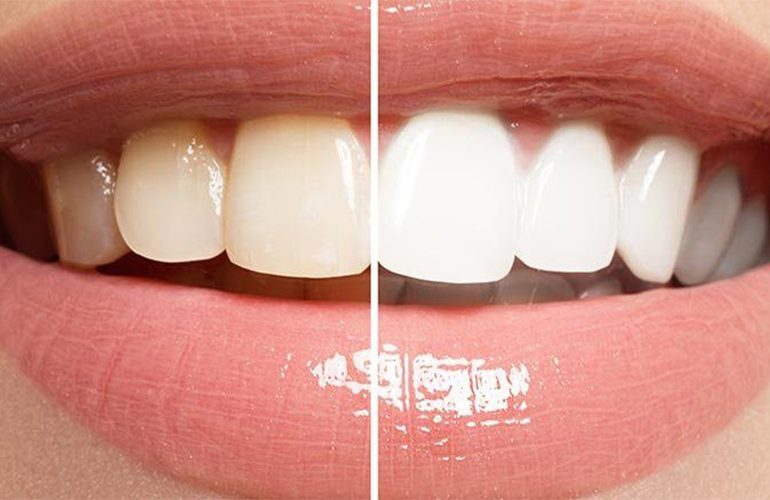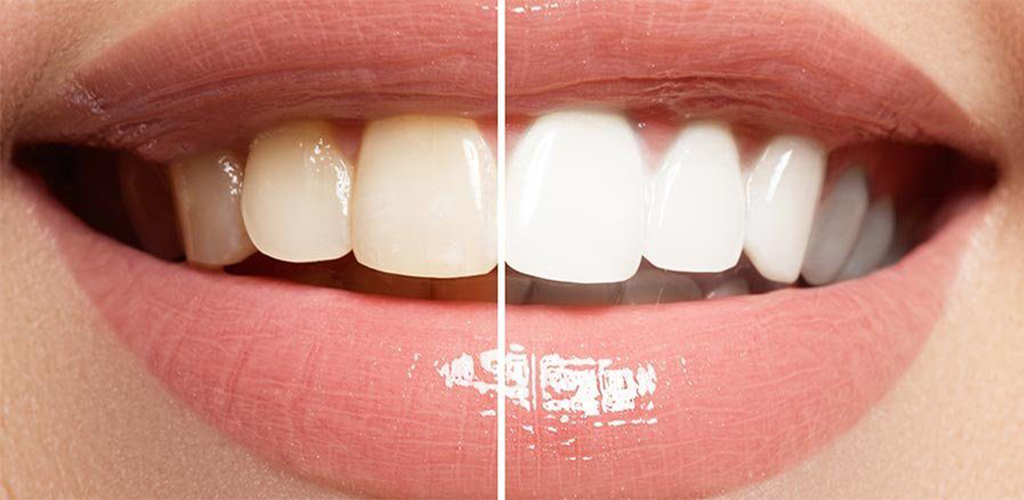
How long the brighter smile achieved after teeth whitening will be maintained is one of the topics patients are most curious about. Although whitening provides a lasting color change, teeth can take on color again over time. This period varies greatly from person to person according to eating habits, smoking, oral care and the structure of the teeth. Knowing the answer to the question of how long teeth whitening lasts and the ways to maintain whiteness for a long time allows you to get the return on your investment for longer. As DijiDent Oral and Dental Health Polyclinic, we offer our patients in Türkiye personal recommendations on care after whitening.
Why Does the Whitening Effect Decrease Over Time?
Whitening lightens the color by breaking down the color molecules inside the teeth. However, the teeth are in constant contact with the colored foods and drinks we consume in daily life. These coloring substances gradually penetrate the tooth again through microscopic pores on the enamel surface. In addition, with age the enamel thins and the more yellow dentin beneath becomes more visible. For this reason, some return of color after whitening is a natural process.
Color Stabilization in the First Days
Immediately after whitening, the teeth may look whiter than they actually are due to the moisture lost during the procedure. Within the first few days, as the teeth rehydrate, the color stabilizes somewhat. This is not a loss, but the emergence of the real result.
How Long Does the Whiteness Last?
It is not possible to give a definite period. In some patients, the result can be maintained markedly for a long time, while in patients with heavy coloring habits, a return of color may be noticed in a shorter time. What is decisive is the person’s habits and care after whitening.
Factors Affecting Longevity
- Coloring drinks: Tea, coffee, red wine, cola and dark-colored fruit juices.
- Coloring foods: Tomato paste, soy sauce, curry, beetroot and dark-colored fruits.
- Cigarettes and tobacco products: One of the most important factors leading to a rapid decrease in whiteness.
- Oral care: Regular brushing and interdental cleaning reduce the accumulation of surface stains.
- Initial color and type of discoloration: Some types of discoloration may return more quickly.
- Age: Enamel thinning can affect the color of the teeth over time.
To Maintain Whiteness for a Long Time
The First 48 Hours: The White Diet
In the period immediately after whitening, the teeth may be more susceptible to coloring substances. For this reason, for the first few days, a diet called the white diet, in which coloring foods and drinks are avoided, is recommended.
Daily Habits
- Limit coloring drinks: You do not have to give them up completely; even reducing how often you consume them can make a difference.
- Rinse with water: Rinsing your mouth with water after coffee, tea or red wine reduces the contact time of coloring substances.
- Use a straw: With cold and colored drinks, a straw can reduce contact with the front teeth.
- Quit smoking: It is the most effective step both for maintaining whiteness and for your general health.
- Regular brushing: Brush twice a day with fluoride toothpaste and do not neglect interdental cleaning.
Professional Cleaning
Tartar cleaning and polishing done at regular intervals help remove surface stains and maintain whiteness.
Touch-Up Applications
When a marked return of color is noticed, touch-up applications can be done on your dentist’s recommendation. The custom trays prepared for at-home whitening can be used again for this purpose if there has been no significant change in your oral structure. The frequency and duration of touch-up applications should be determined by your dentist; uncontrolled and frequent repetitions are not recommended.
The timing of touch-up applications can be determined more objectively with color measurements taken at check-up appointments.
Do Whitening Toothpastes Work?
Whitening toothpastes are mostly aimed at reducing surface stains and do not markedly change the internal color of the teeth. They can be supportive in reducing the accumulation of surface stains after whitening. However, since some products may be abrasive, you can consult your dentist about which toothpaste is suitable for you.
Restorations and Color Matching
After whitening, the fillings or crowns on the front teeth may not match the new color. After the color stabilizes, these restorations can be renewed to match the new color if necessary. This should also be kept in mind for future touch-up applications, since the color of restorations will not change.
For this reason, discussing the condition of your restorations with your dentist before whitening ensures that the process is planned correctly from the start.
A Personal Care Plan
At DijiDent, after whitening, we create a personalized care plan taking your habits into account and follow the result with color measurement at check-up appointments.
Frequently Asked Questions
A definite period cannot be given; habits and care determine how long the result will be maintained.
Some return of color over time is natural; with good care and touch-ups, the result can be maintained for a long time.
It is generally recommended for the first few days after whitening; the duration is specified by your dentist.
If your oral structure has not changed, they can be used for touch-up applications on the dentist’s recommendation.
Yes; however, reducing how often you drink it and rinsing with water afterwards helps maintain the whiteness.
Let us maintain your whiteness together for a long time.
Contact us to book an appointment for care after whitening, touch-up applications or a color check. Let us create your personalized care plan at DijiDent Oral and Dental Health Polyclinic.
This content is for general information purposes and does not replace an examination by a dentist. The longevity of the whitening result varies from person to person; a specific duration cannot be guaranteed.