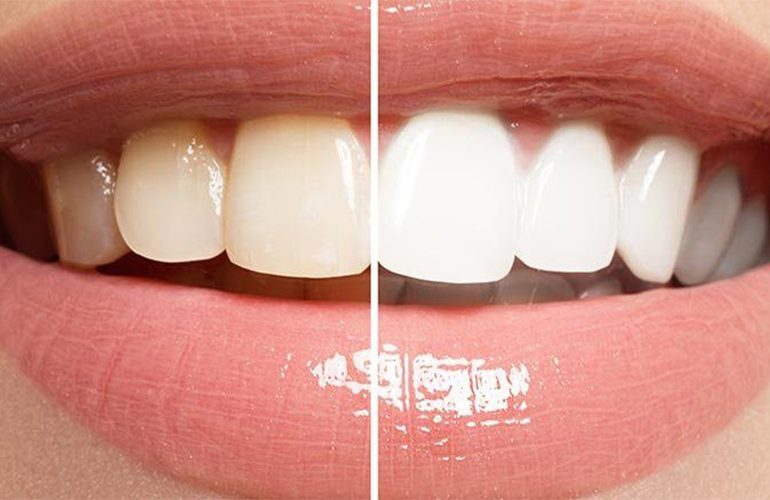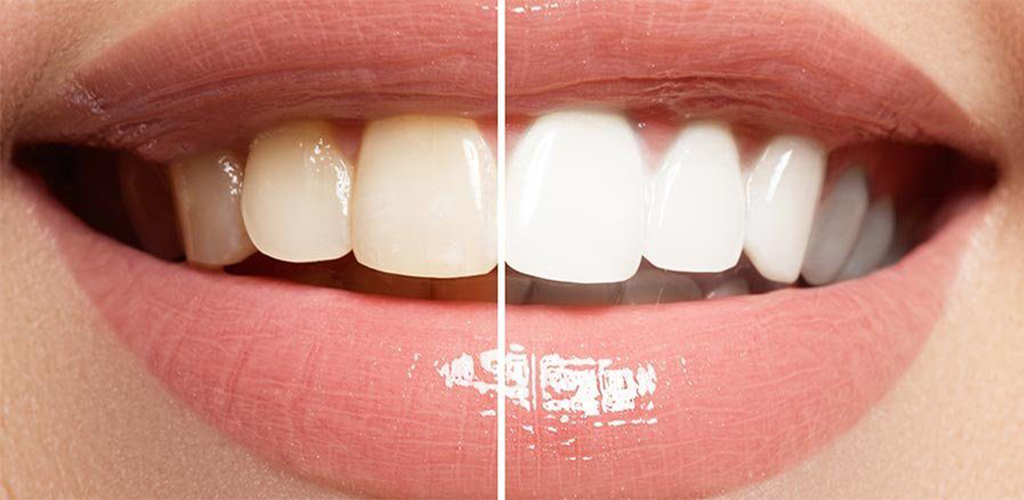
The most common side effect of teeth whitening is tooth sensitivity, which can appear during or after the procedure. A twinge that starts with a cold drink or short-lived sharp pains that appear spontaneously can worry many patients. The good news is that this sensitivity is usually temporary and can be greatly reduced with the right precautions. Having information about managing sensitivity after whitening allows you to go through the process more comfortably and complete whitening without stopping halfway. As DijiDent Oral and Dental Health Polyclinic, we plan for the risk of sensitivity from before whitening in our patients in Türkiye.
Why Does Sensitivity Occur?
The active substances in the whitening gel break down color molecules by advancing into the enamel and dentin. During this process, the nerve endings in the pulp can be temporarily stimulated through the microscopic tubules in the dentin. As a result, the teeth may become more sensitive to cold, heat and air, or short-lived sharp twinges that appear spontaneously may be felt. This is usually temporary and does not mean that the tooth has been permanently damaged.
How Long Does the Sensitivity Last?
Sensitivity is often most pronounced within the first one or two days after the procedure and usually decreases on its own within a few days. In at-home whitening, it may be felt intermittently during the period of use. If the sensitivity lasts a long time or gradually increases, it is recommended that you consult your dentist.
In Whom Is It More Common?
- Those who previously had tooth sensitivity
- Those with exposed root surfaces due to gum recession
- Those with enamel wear or cracks
- Those who have high-concentration or long-duration applications
- Those with untreated caries or leaking fillings
Knowing these risk factors in advance allows the whitening plan to be made accordingly.
Precautions Before Whitening
- Comprehensive examination: Caries, leaking fillings and cracks are treated beforehand.
- Evaluation of root surfaces: Exposed root surfaces can be covered with protective materials.
- Desensitizing products: Your dentist may recommend that you use a desensitizing toothpaste containing potassium nitrate or fluoride in the weeks before whitening.
- Suitable method and concentration: For patients prone to sensitivity, low-concentration at-home whitening can be preferred.
Relief Methods During and After Whitening
In the Clinic
If sensitivity becomes pronounced during in-office whitening, the application time can be shortened or the session can be ended. After the procedure, desensitizing or fluoride-containing agents can be applied to the teeth.
At Home
- Desensitizing toothpaste: Use it regularly; some dentists may recommend placing the toothpaste in the tray and applying it for a short time.
- Adjust the duration of use: If sensitivity becomes pronounced in at-home whitening, you can shorten the duration of use or take a break for a few days after consulting your dentist.
- Avoid hot and cold: In the first days, stay away from very hot or very cold foods and drinks.
- Limit acidic foods: Citrus fruits, carbonated drinks and vinegar can increase sensitivity.
- Soft brush: Brush gently with a soft-bristled brush.
- Painkiller: If necessary, you can use a suitable painkiller recommended by your physician or pharmacist.
Do Not Confuse It with Gum Irritation
Contact of the whitening gel with the gum can lead to temporary whitening, burning or sensitivity at the gum margin. This is different from tooth sensitivity and usually goes away in a short time. In at-home whitening, putting more gel than necessary in the tray is one of the common causes of this irritation; it is important that you use the amount of gel your dentist showed you.
When Should You Consult Your Dentist?
If the sensitivity does not decrease within a few days, gradually increases, if there is severe and prolonged pain in a single tooth, or if marked sores and swelling form on the gums, it is recommended that you consult your dentist. Persistent pain in a single tooth may be a sign of a previously unnoticed problem such as a crack or caries.
Balancing Sensitivity and Results
Some patients may lengthen or shorten whitening times on their own, or use the product less or more than recommended, to avoid sensitivity. This can negatively affect both the result and comfort. When you experience sensitivity, consulting your dentist instead of changing the application on your own helps ensure comfort without compromising the result. If necessary, the whitening process can be extended somewhat and continued at a lower intensity; this approach generally allows similar results to be achieved more comfortably.
Can Whitening Be Done on Sensitive Teeth?
Yes, in many situations it can be done with appropriate precautions. The cause of the sensitivity is determined and treated in advance, low-concentration and gradual methods are preferred, and support is provided with desensitizing products throughout the process. At DijiDent, we prepare the whitening plan individually along these lines for our patients with a history of sensitivity.
Frequently Asked Questions
Yes, it is the most common side effect and is usually temporary.
It usually decreases within a few days; if it lasts long, consult your dentist.
After consulting your dentist, you can shorten the duration of use or take a break for a few days.
It can be markedly reduced with a preliminary examination, desensitizing products and choosing a suitable concentration.
In many situations, it can be done with appropriate precautions.
Comfortable whitening is possible with the right planning.
Contact us to book an appointment for a whitening plan that also takes your history of sensitivity into account. Let us determine the method that suits you together at DijiDent Oral and Dental Health Polyclinic.
This content is for general information purposes and does not replace an examination by a dentist. Medications and products should be used on the recommendation of a physician or pharmacist.