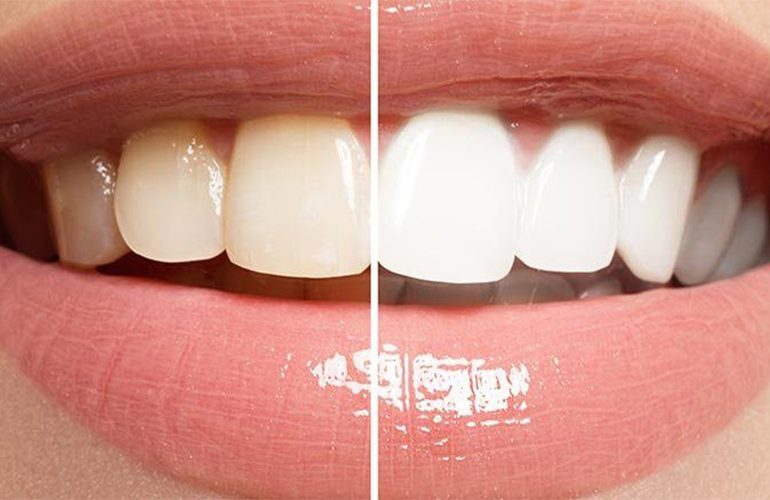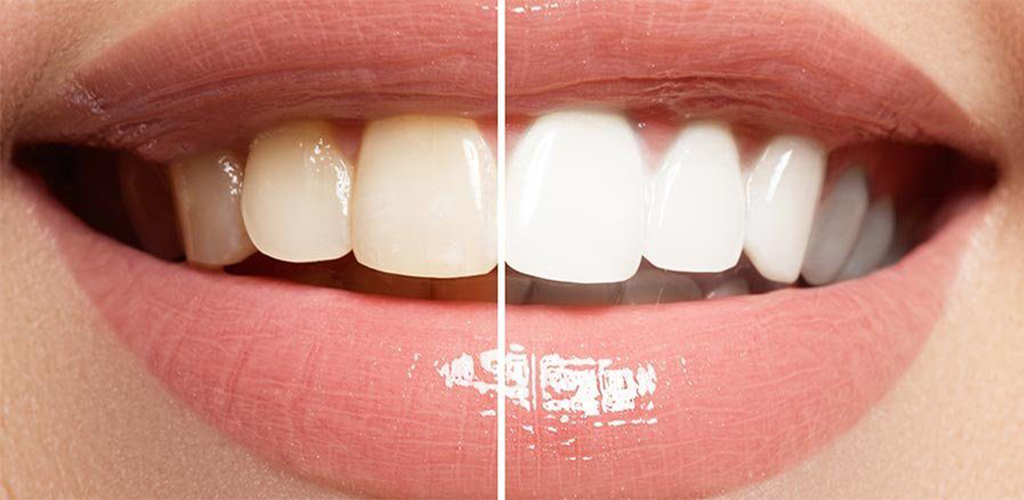
The result achieved with teeth whitening can be maintained for a long time; however, due to coloring habits in daily life and the effect of time, the teeth can take on some color again. In this case, many patients wonder when and how often whitening can be repeated. While correctly planned touch-up applications help maintain whiteness, repetitions that are more frequent than necessary and uncontrolled can carry risks for dental health. Creating an informed plan for repeating whitening allows you to protect both your smile and the health of your teeth in the long term. As DijiDent Oral and Dental Health Polyclinic, we offer our patients in Türkiye personalized touch-up programs.
Why Does the Color Return?
Whitening lightens the color by breaking down the color molecules inside the tooth. However, coloring agents such as tea, coffee, red wine and cigarettes gradually penetrate the tooth again through the enamel surface. In addition, with age the enamel thins and the dentin darkens. For this reason, some gradual return of color after whitening is a natural process. The return is generally partial, not all the way to the initial color.
How Often Can It Be Repeated?
There is no single period that applies to everyone. The need for touch-ups varies according to the person’s habits, the structure of their teeth, the initial color and the method used. While the result can be maintained for a long time in people with few coloring habits who take good care of their mouths, an earlier need for touch-ups may arise in people who drink coffee and tea frequently or smoke. For this reason, the timing of touch-ups should be determined not by the calendar, but by color measurement and the dentist’s evaluation.
Touch-Up Methods
Short-Term Touch-Ups with At-Home Trays
Custom trays previously prepared for at-home whitening can be used again for touch-ups if there has been no significant change in your oral structure. Touch-up applications are generally much shorter than the initial whitening. The duration of use and gel concentration are determined by your dentist. Whether your trays are still suitable should be evaluated at a check-up appointment; changes such as fillings, crowns or tooth movement can affect the fit of the trays.
In-Office Touch-Up
In the case of more marked color return, or when at-home application is not preferred, a short in-office application can be done in the clinic.
Professional Cleaning
In some patients, the darkening stems not from the return of the internal color, but from the accumulation of surface stains. In this case, professional cleaning and polishing may be sufficient instead of repeating whitening. For this reason, it is important that an evaluation be done before a touch-up.
Re-evaluating your tooth and gum health before a touch-up ensures that problems such as caries, cracks or gum recession that may have appeared since the last application are noticed.
The Risks of Over-Whitening
Repeating whitening frequently and uncontrollably can lead to some undesirable consequences:
- Increased sensitivity: Frequent applications can cause sensitivity to be more pronounced and longer-lasting.
- Gum irritation: Repeated contact can irritate the gums.
- Changes in the enamel surface: Excessive and long-term applications can affect the enamel surface.
- Unnatural appearance: Over-whitening can lead to the teeth taking on a translucent and bluish-gray appearance.
- Whiteness obsession: Some people may constantly perceive their teeth as not white enough; in this case, it is important to discuss realistic goals again.
The Concept of a Natural Limit
Every tooth has a natural color limit that it can reach with whitening. Additional applications done after this limit has been reached do not lighten the color further; however, they can increase sensitivity and other risks. The aim of a touch-up is not to go beyond this limit, but to maintain the result achieved.
To Reduce the Need for Touch-Ups
- Limit coloring drinks: Reducing how often you consume them and rinsing with water afterwards.
- Quit smoking: The most effective step in maintaining whiteness.
- Regular oral care: Fluoride toothpaste and interdental cleaning.
- Professional cleaning: Tartar cleaning and polishing at regular intervals.
- Color monitoring: Color measurement at check-up appointments.
Restorations and Touch-Ups
If fillings or crowns matching the new color were made on the front teeth after whitening, it should be remembered that the color of these restorations will not change in touch-up applications. It is important that the touch-up is planned in a way that does not disrupt the harmony between the natural teeth and the restorations.
Your history of sensitivity is also taken into account when deciding on a touch-up; if you experienced marked sensitivity in previous applications, lower concentrations and shorter applications can be preferred.
A Personal Touch-Up Program
At DijiDent, at check-up appointments after whitening, we measure the color and compare it with the initial and result records, evaluating the need for touch-ups objectively. When necessary, we determine together the method, duration and frequency that suit you.
Frequently Asked Questions
There is no definite period; the need for touch-ups is determined by the dentist according to habits and color measurement.
Yes, touch-up applications can be done under a dentist’s supervision and at appropriate intervals.
Uncontrolled and frequent repetitions can increase the risk of sensitivity, gum irritation and an unnatural appearance.
If your oral structure has not changed, they can be used for touch-ups under the dentist’s supervision.
No. It is sometimes due to surface stains, and professional cleaning may be sufficient.
Let us protect your whiteness safely.
Contact us to book an appointment to have your need for touch-ups evaluated and your color checked. Let us create your personalized touch-up program at DijiDent Oral and Dental Health Polyclinic.
This content is for general information purposes and does not replace an examination by a dentist. The frequency and method of repeating whitening should be determined by the dentist.