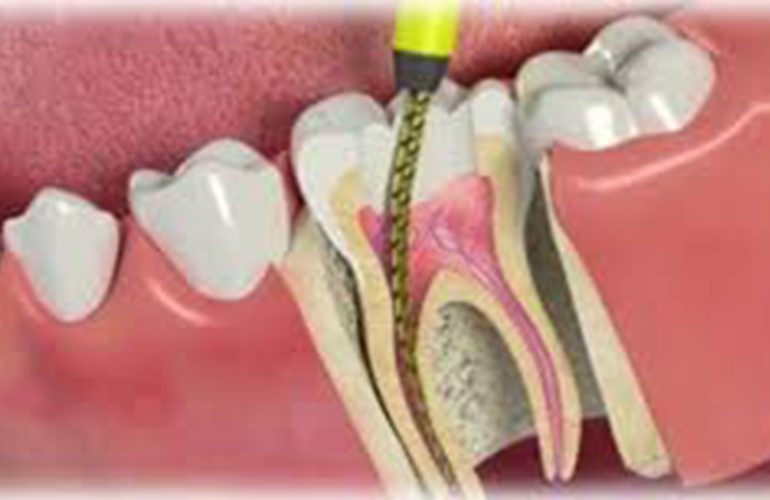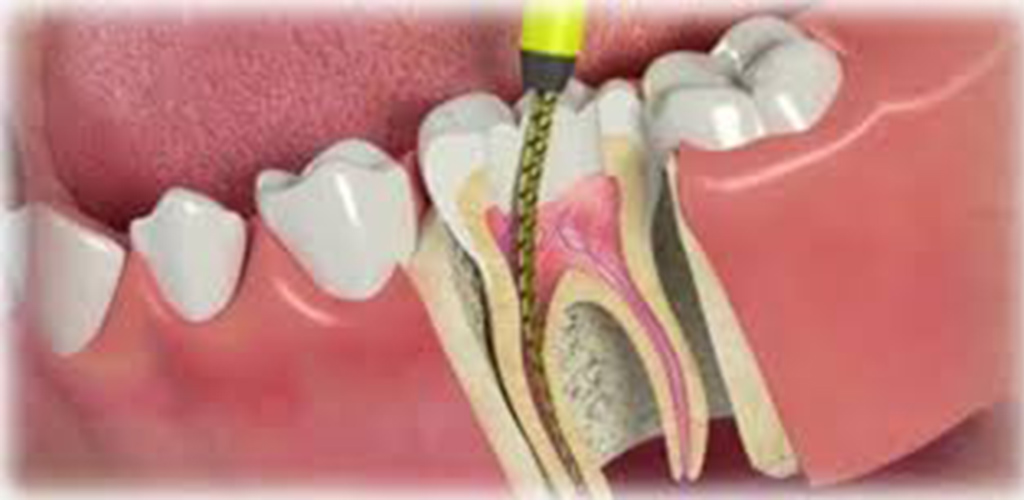
Many patients coming for root canal treatment are surprised when they first see the thin rubber sheet placed around their tooth. This sheet, called a rubber dam, is actually considered a basic standard in endodontics in terms of treatment success and patient safety. The use of a rubber dam provides a clean working area by separating the treated tooth from the rest of the mouth and also protects the patient against possible risks. As DijiDent Oral and Dental Health Polyclinic, we clearly explain to our patients in Türkiye why this practice is important and how it affects comfort.
What Is a Rubber Dam?
A rubber dam is a thin sheet usually produced from latex or a flexible latex-free material. The tooth to be treated is brought out through a small hole made in the sheet, and the sheet is secured with a small clamp placed on the tooth. The edges of the sheet are stretched over a frame. In this way, only the treated tooth remains exposed; the tongue, cheeks and the rest of the mouth are protected behind the sheet.
Why Is It So Important?
It Protects the Canals from Saliva and Bacteria
Saliva contains a large number of bacteria. Since the basic aim of root canal treatment is to rid the canal system of bacteria, saliva entering the canals during the procedure can negatively affect the success of the treatment. The rubber dam helps prevent the canals from becoming contaminated again by separating the treatment area from saliva.
It Ensures Patient Safety
The files used in root canal treatment are very small instruments. The rubber dam is one of the most effective methods of preventing these instruments from being accidentally swallowed or getting into the airway. For this reason, the use of a rubber dam in root canal treatment is recommended as standard practice in international endodontic guidelines.
It Protects Against Chemical Solutions
The solutions used to disinfect the canals are effective substances but have an unpleasant taste and can irritate the oral tissues. The rubber dam largely prevents these solutions from getting into the mouth, onto the tongue and down the throat.
Better Vision and Working Area
Keeping the tongue and cheeks away from the treatment area provides the dentist with a clear and dry working area. This contributes to the procedure progressing in a more controlled and efficient way; it is especially important when working under magnification.
In Terms of Patient Comfort
A rubber dam may seem uncomfortable at first glance; however, many patients find this practice reassuring because water and solutions do not get into their mouth during treatment. The patient not having to constantly control their tongue or cheek, and not having cotton rolls or a saliva ejector in their mouth, also increases comfort.
- Breathing: The rubber dam only covers the inside of the mouth; you can continue to breathe comfortably through your nose.
- Swallowing: You can swallow during treatment; your dentist ensures that saliva is suctioned when necessary.
- Clamp sensation: The clamp placed on the tooth is usually felt as slight pressure in the anesthetized area.
- Communication: Since you cannot speak, you can indicate discomfort to your dentist with a hand signal agreed in advance.
If you want to see the sheet and clamp before treatment, your dentist can show them to you; this small step significantly reduces the anxiety of most patients.
Special Situations
Latex Allergy
Latex-free rubber dam sheets can be used for patients with a latex allergy. It is important that you inform your dentist of your allergy before treatment.
Nasal Congestion
In case of a cold, allergy or nasal congestion, breathing through the nose may become difficult. If you report this situation in advance, solutions such as opening part of the sheet or adjusting the timing of the treatment can be considered.
Very Destroyed Teeth
In teeth with very little tissue left in the crown part, it may be difficult for the clamp to hold. In this case, isolation can be achieved by temporarily building up the missing walls of the tooth before treatment.
How Is a Rubber Dam Placed?
The application usually takes a few minutes. First, local anesthesia is applied to the area and the anesthesia is allowed to take effect. A clamp of suitable size is chosen for the tooth to be treated, a hole is made in the sheet according to the position of the tooth, and the sheet is passed over the tooth and secured with the clamp. The edges of the sheet are then stretched over a light frame positioned in front of the face. In some situations, an additional barrier material may be applied around the tooth to increase sealing. At the end of the treatment, the clamp and sheet are easily removed; brief mild tenderness may be seen in the gum area the clamp touched.
A Quality Indicator
The use of a rubber dam is considered a concrete indicator of the importance given to infection control and patient safety in root canal treatment. At DijiDent, we have adopted rubber dam isolation as standard practice in root canal treatments and pulp-preserving procedures. Before treatment, we show this practice to our patients and aim to reduce anxiety by explaining how they will feel.
Frequently Asked Questions
It is a thin, flexible sheet that separates the treated tooth from the rest of the mouth.
It is recommended as standard practice in root canal treatment in international endodontic guidelines.
Yes. The sheet only covers the inside of the mouth; you can breathe comfortably through your nose.
Latex-free rubber dam sheets can be used. It is enough to report your allergy in advance.
It usually does not cause pain. The clamp may be felt as slight pressure in the anesthetized area.
Safe treatment starts with the right isolation.
Contact us to book an appointment to ask your questions about root canal treatment and plan your treatment process. Let us offer you a safe and comfortable treatment experience at DijiDent Oral and Dental Health Polyclinic.
This content is for general information purposes and does not replace an examination by a dentist. It is important that you inform your dentist of any allergies and your general health condition before treatment.