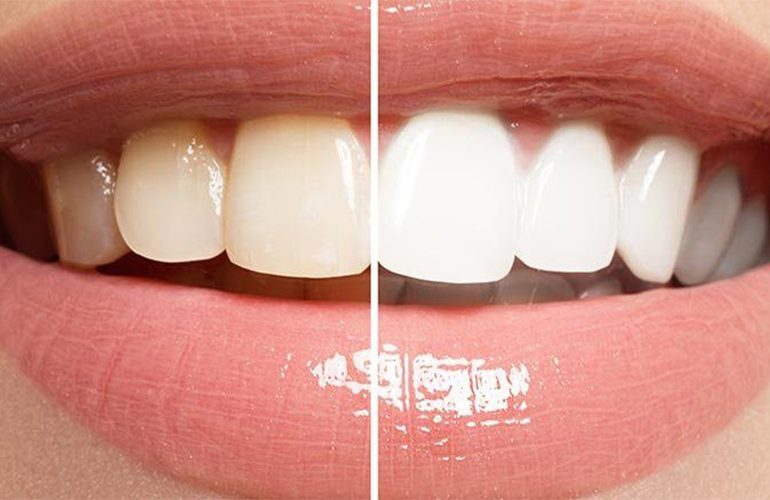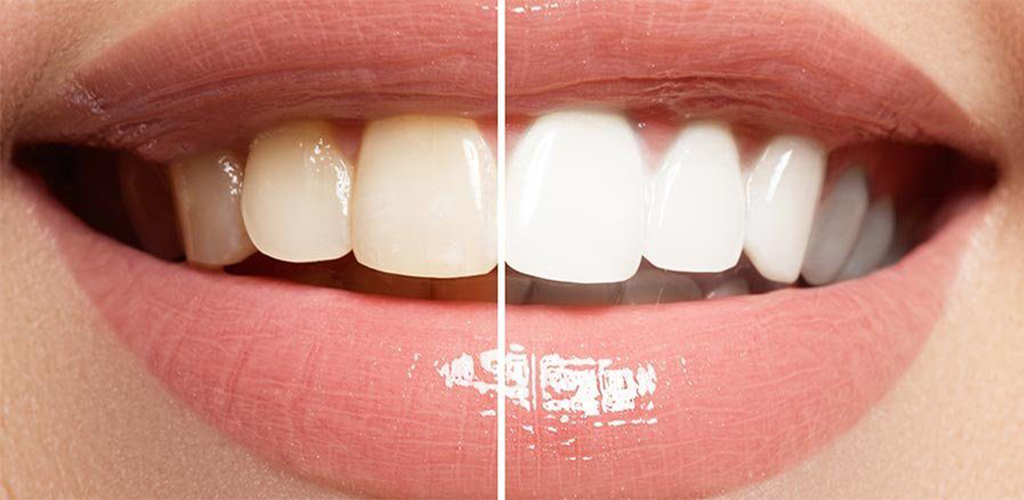
Cigarettes and other tobacco products are one of the most common causes of yellow, brown and sometimes near-black stains forming on the teeth. Over time, these stains may not remain only on the surface of the tooth but may also settle into the enamel structure and markedly affect the appearance of the smile. The good news is that a significant portion of these stains can be reduced with professional methods. Knowing the process of whitening smoking stains and what needs to be done to maintain whiteness allows you to take the right steps with realistic expectations. As DijiDent Oral and Dental Health Polyclinic, we offer our patients in Türkiye personalized solutions for tobacco-related discolorations.
How Does Smoking Stain the Teeth?
The tar and nicotine in cigarette smoke adhere to the surface of the teeth and lead to color changes. Although nicotine itself is colorless, it takes on a yellowish color when it comes into contact with oxygen. Tar, on the other hand, is the main source of dark brown-black stains. Over time, these substances penetrate the microscopic pores on the enamel surface and become more permanent. In addition, smoking contributes to the teeth looking darker by increasing tartar accumulation and gum diseases.
Hookah and Other Tobacco Products
Hookah, cigars, pipes and chewing tobacco also lead to similar staining of the teeth. Hookah can cause marked stains due to long-term and intense smoke exposure.
E-Cigarettes
Since e-cigarettes do not contain tar, they may cause fewer stains than classic cigarettes. However, products containing nicotine can still lead to yellowish color change in the teeth and can negatively affect tooth and gum health through effects such as dry mouth.
How Are Smoking Stains Removed?
Professional Cleaning and Polishing
The first step is the professional cleaning of tartar and surface stains. With methods such as tartar cleaning, polishing and air-powder polishing, a significant portion of the stains on the surface can be removed. In some patients, even this procedure can make a marked difference.
Whitening
For the discolorations that remain after cleaning and have settled into the enamel, in-office, at-home or combined whitening can be applied. In patients who have smoked for many years, due to deep discolorations, whitening may take longer or more than one session may be required.
Aesthetic Restorations
In discolorations that do not respond to whitening or are seen together with wear and structural problems in the teeth, options such as bonding or veneers can be considered.
The methods to be applied are determined by your dentist according to the depth of the stains and the general condition of the teeth.
Evaluation Before Whitening
Gum disease is more common in patients who smoke, and its symptoms may be less pronounced due to the effect of smoking. For this reason, it is important that gum health is evaluated in detail before whitening. In addition, a general check of the oral tissues is also done, because smoking is also a risk factor for various tissue changes in the mouth.
This evaluation also contributes to whitening being planned safely.
What Happens If Smoking Continues?
Continuing to smoke after whitening leads to the teeth becoming discolored again in a short time. Especially since the teeth may be more susceptible to coloring substances immediately after whitening, not smoking during this period is strongly recommended. In patients who continue to smoke, more frequent professional cleaning and touch-up applications may be needed to maintain the whiteness.
Do Teeth Whiten When You Quit Smoking?
Quitting smoking prevents new stains from forming; however, existing stains do not disappear on their own. With professional cleaning and whitening if necessary, the color of the teeth can be markedly lightened. Whitening done after quitting smoking allows the result to be maintained for much longer. In addition, quitting smoking has a positive effect on gum health and general health.
To Maintain the Whiteness
- Quit or reduce smoking: It is the most effective step in maintaining whiteness.
- Regular brushing: Brush twice a day with fluoride toothpaste and do interdental cleaning.
- Professional cleaning: Have tartar cleaning and polishing done at regular intervals.
- Limit other coloring agents: Tea and coffee also increase staining together with smoking.
- Touch-ups: Periodic touch-up applications can be done on your dentist’s recommendation.
Regular monitoring of oral health in patients who smoke is also important for the early detection of gum diseases and other changes in the mouth.
Support to Quit Smoking
Those who want to quit smoking in Türkiye can get support from the ALO 171 Smoking Cessation Counseling Line and smoking cessation outpatient clinics. A white smile, as an aesthetic goal, can be a strong source of motivation for many people to quit smoking.
Frequently Asked Questions
Professional cleaning and polishing are done first; whitening can be applied for the remaining discolorations.
In many situations, they decrease markedly; with long-term use, more sessions may be needed.
The formation of new stains stops; cleaning and whitening are needed for existing stains.
Yes. It can lead to marked stains due to intense smoke exposure.
It is not recommended; especially in the first days, smoking quickly affects the result negatively.
A smile free of tobacco stains is possible.
Contact us to book an appointment to learn the suitable cleaning and whitening options for your smoking stains. Let us create your personalized plan at DijiDent Oral and Dental Health Polyclinic.
This content is for general information purposes and does not replace an examination by a dentist. For smoking cessation support, you can call the ALO 171 line or apply to health institutions.