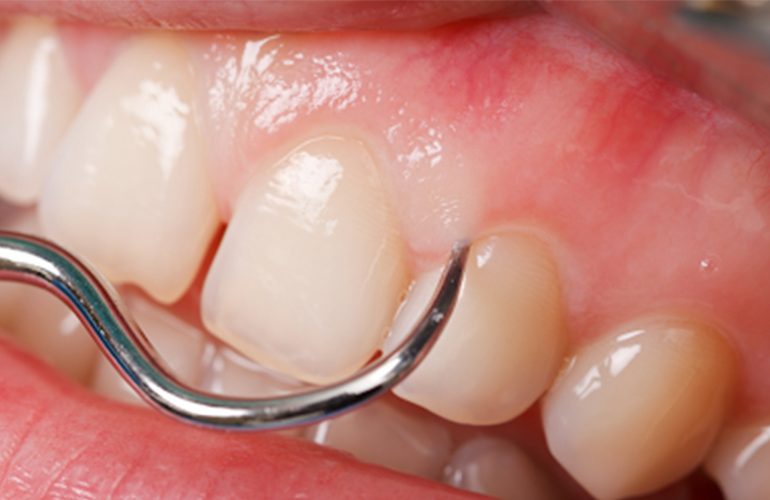
The part of gum treatment completed in the clinic is only one part of the process. Preserving the improvement achieved largely depends on what is done after treatment. Periodontitis is considered a chronic disease that requires regular follow-up; when care is neglected, it may tend to recur. For this reason, care after periodontal treatment is an integral part of the treatment. As DijiDent Oral and Dental Health Polyclinic, we offer our patients in Türkiye a clear and practical care plan both for the first days and for the long term.
What Is Expected in the First Days?
After non-surgical treatments such as root planing, mild tenderness in the gums, sensitivity to cold and heat and a small amount of bleeding during brushing may be seen. These symptoms are usually expected to decrease within days. After surgical treatments, mild swelling and a feeling of discomfort may be more pronounced; in this period, the instructions given by your dentist take priority.
Recommendations for the First Days
- Eating: In the first days, avoid very hot, very spicy, hard and crumbly foods; prefer lukewarm and soft foods.
- Brushing: Continue brushing with a soft-bristled brush, taking care with the treated areas.
- Medications: If your dentist has recommended a painkiller or mouthwash, use it for the specified period and dose.
- Smoking: It is strongly recommended that you take a break from smoking so that healing is not negatively affected.
Why Do My Teeth Look Longer?
The gum, which was inflamed and swollen before treatment, tightens during the healing process and may recede somewhat. This can cause the teeth to look longer and a feeling of gaps between them. In fact, this is a result of the inflammation receding. Sensitivity may be seen on exposed root surfaces; desensitizing toothpastes and supportive procedures applied in the clinic can help with this. In cases that are aesthetically bothersome, the options can be evaluated with your dentist.
Home Care: The Foundation of a Lasting Result
Treatment reduces the deposits and inflammation on the tooth surfaces; however, bacterial plaque forms again every day. For this reason, the quality of home care is decisive in preserving the result.
- Brushing twice a day: Brush for at least two minutes with small and gentle movements at an angle of about 45 degrees to the gum line.
- Daily interdental cleaning: For the spaces that open after treatment, interdental brushes of suitable size are often more efficient than dental floss.
- Auxiliary tools: If your dentist deems it necessary, they may recommend a water flosser, a single-tuft brush or a specific mouthwash.
- Tongue cleaning: Cleaning the build-up on the tongue surface contributes to reducing bad breath.
What Is Supportive Periodontal Therapy (Maintenance)?
The check-up and professional cleaning sessions carried out at regular intervals after active treatment is completed are called supportive periodontal therapy or maintenance. At these appointments, gum pocket measurements are repeated, bleeding findings are recorded, deposits in areas that cannot be reached at home are cleaned and your home care is reviewed. The check-up interval is not the same for everyone; it is usually determined by the dentist at between a few months and six months, according to the initial severity of the disease, risk factors and the response to treatment.
Managing Risk Factors
Smoking and uncontrolled diabetes are the main factors that increase the risk of gum disease recurring. Quitting smoking and keeping blood sugar levels under control together with your physician directly support the permanence of periodontal treatment. Stress, eating habits and teeth clenching are other elements taken into account during follow-up.
Nutrition and Daily Habits
A balanced diet is important for the healing and resistance of the gum tissue. Fresh vegetables and fruits, sufficient protein and plenty of water support general health; while sugary and acidic snacks consumed at frequent intervals can increase plaque formation and the risk of caries. If you experience dry mouth, it is useful to inform your dentist; reduced saliva flow can make bacterial build-up easier.
During periods of stress, it is common for oral care to be neglected and for teeth clenching to increase. Taking care to maintain your routine during these periods helps sustain the gains achieved with treatment.
Which Symptoms Should Bring a Check-Up Forward?
If you notice bleeding starting again when brushing, swelling or redness in the gums, the return of bad breath, mobility in the teeth or new gaps between the teeth, it is recommended that you go to the clinic without waiting for the planned check-up date.
For Our Patients Coming from Abroad
For our patients who have been treated in Türkiye and live in another country, a treatment summary, measurement records and images can be shared. In this way, you can continue your maintenance check-ups in an informed manner wherever you are and plan your next visit in advance when necessary.
Frequently Asked Questions
It usually decreases significantly within a few days to a few weeks. Report prolonged or increasing sensitivity to your dentist.
After non-surgical treatments, a return to normal eating usually happens in a short time. After surgery, your dentist determines the period.
The inflammation can be brought under control and the process can be stopped; however, due to its tendency to recur, regular follow-up and good home care are needed.
Deposits may form again in areas that cannot be reached at home, and the disease may silently recur. Regular check-ups aim to reduce this risk.
Recession formed as the inflammation recedes usually does not reverse on its own. In suitable cases, aesthetic options can be evaluated.
Treatment is over; protection starts now.
Contact us to book an appointment to create your check-up schedule and personal home care plan after periodontal treatment. Let us follow your gum health together over the long term at DijiDent Oral and Dental Health Polyclinic.
This content is for general information purposes and does not replace an examination by a dentist. The healing process and check-up intervals vary from person to person; they are determined by your dentist.