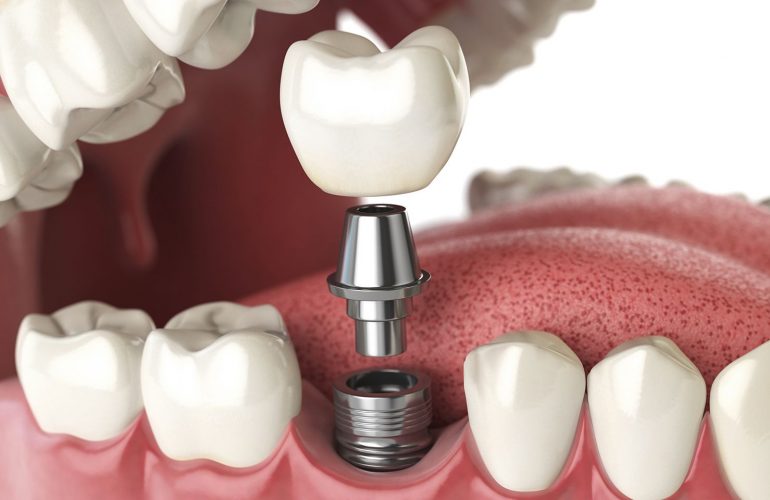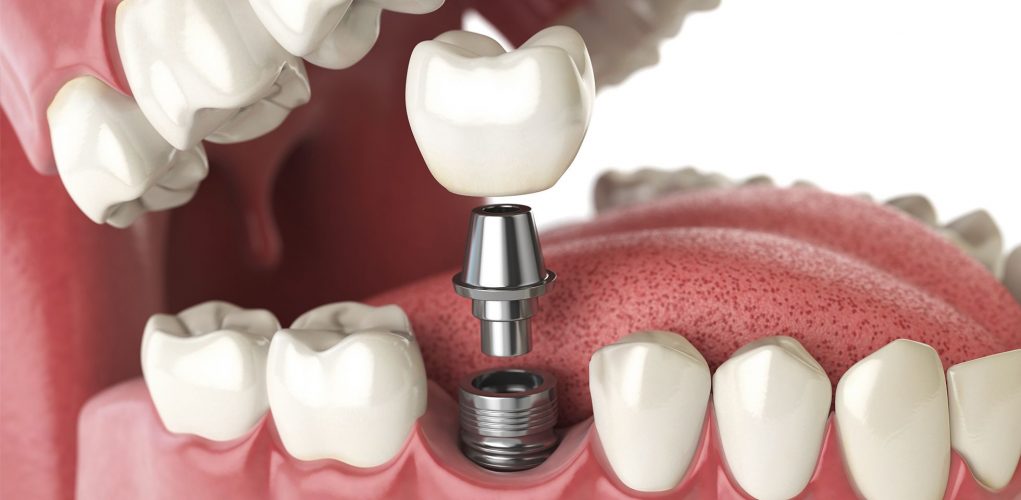
Correct nutrition after implant surgery both increases your comfort in the first days and supports the healthy healing of tissues and bone. During this period, how and when you eat is as important as what you eat, because excessive forces placed on the implant area in the early period can negatively affect the bone fusion process. Following a staged plan for nutrition after an implant allows you to get through the healing period more comfortably. As DijiDent Oral and Dental Health Polyclinic, we have prepared a nutrition guide for our patients in Türkiye that extends from the first day to the permanent teeth.
Stage 1: The First 24–48 Hours
Do not eat until the effect of the anesthesia has worn off; you may unknowingly bite or burn your numb lip, cheek and tongue. After the anesthesia wears off, prefer cold or lukewarm, liquid and semi-liquid foods.
- Suitable options: Yogurt, ayran (yogurt drink), lukewarm soups, milk, milk puddings, fruit purées and smoothies (without a straw).
- To avoid: Hot drinks and foods, spicy foods, alcohol, carbonated drinks and straw use.
Using a straw can dislodge the blood clot because of the suction force created; for this reason, it is recommended to avoid it in the first days.
Stage 2: The First Week
As swelling and sensitivity decrease, you can move on to soft foods that require no chewing or very little chewing. Take care to chew on the side opposite the implant area.
- Protein sources: Eggs, boiled or baked fish, well-cooked minced meat dishes, curd cheese and soft cheeses, lentil soup.
- Carbohydrates: Rice, pasta, mashed potatoes, oatmeal.
- Vegetables and fruits: Well-cooked vegetables, bananas, ripe peaches, avocados and fruit purées.
Stage 3: The Fusion Period
During the period of a few months in which the implant fuses with the bone, it is important that no direct and intense force is placed on the implant area. During this period, your diet gradually returns to normal; however, you should continue not to chew hard and sticky foods with the implant area. If a temporary tooth was attached with immediate loading, you should not bite or chew hard foods with this tooth.
- To avoid: Nuts, roasted chickpeas, ice, hard candies, crusty bread, biting raw carrots and apples, caramel and chewing gum.
- Suitable method: Cutting foods into small pieces and chewing on the side opposite the implant area.
Stage 4: After the Permanent Teeth Are Attached
After the permanent superstructure is attached, you can return to your normal diet in line with your dentist’s recommendations. Implant-supported teeth allow many patients to eat a wider variety of foods. Still, avoiding biting very hard objects such as ice, bones and nutshells helps protect both the implant and the superstructure.
If you have a clenching habit, it is important that you inform your dentist during this period.
Nutrients That Support Healing
- Protein: It is the basic building block for tissue repair; eggs, fish, dairy products and legumes are good sources.
- Vitamin C: It is necessary for collagen production and wound healing; soft fruit purées and cooked vegetables can be preferred.
- Calcium and vitamin D: They are important for bone health; dairy products and green leafy vegetables can be sources.
- Zinc: It contributes to tissue repair; legumes and whole grains are among its sources.
- Water: Adequate fluid intake supports healing and oral hygiene.
In people who eat a balanced diet, additional supplements are often not needed. If you are considering using supplements, consult your physician.
Special Situations
Diabetes
When switching to soft foods, it is important not to turn to sugary foods that can raise blood sugar quickly. Prefer soft options containing protein and fiber, and check your blood sugar more frequently.
Vegetarian Diet
You can meet your protein needs from sources such as eggs, dairy products, lentil soup, hummus and soft tofu.
Drinks, Alcohol and Smoking
Do not consume hot drinks on the first day; afterwards, you can have them lukewarm. Alcohol is not recommended in the first days, as it may interact with medications and affect healing. Smoking, on the other hand, is an important risk factor that can negatively affect fusion with the bone.
A Sample Daily Menu (First Week)
- Breakfast: Soft-boiled or scrambled eggs, curd cheese and lukewarm milk or ayran.
- Lunch: Lukewarm lentil soup and yogurt.
- Snack: Banana or fruit purée.
- Dinner: Baked fish, mashed potatoes and well-cooked vegetables.
This is only an example; your dentist may offer different recommendations according to your personal health condition and the scope of the procedure.
Oral Care After Eating
After meals, maintain oral hygiene as your dentist recommends. Avoid vigorous rinsing on the first day; in the following days, clean gently so that food debris does not accumulate in the implant area.
Frequently Asked Questions
Liquid and soft foods are recommended in the first days. During the fusion period, you should continue not to chew hard foods with the implant area.
It is not recommended on the first day; afterwards, they can be consumed lukewarm.
It is not recommended in the first days; the suction force can affect the blood clot.
You can eat most foods; however, it is recommended that you avoid biting very hard objects.
They are often not needed in people who eat a balanced diet; consult your physician.
Your healing is supported by the right choices at your table.
Contact us to book an appointment to get nutrition and care recommendations specific to your implant treatment. Let us plan your healing process together at DijiDent Oral and Dental Health Polyclinic.
This content is for general information purposes and does not replace an examination by a dentist. Nutrition recommendations specific to your procedure are given by your dentist.