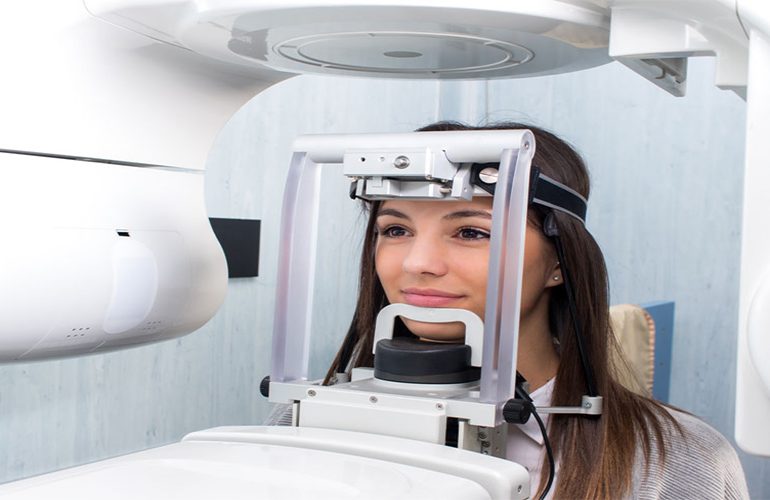
In oral health, a single image is a photograph of that moment. However, what is clinically most valuable is often change: is the bone level receding, is the lesion shrinking, is the tissue around the implant stable? The answer to these questions can only be given through comparison. A dental image archive is therefore not a record of the past but a planning tool for the future. As DijiDent Oral and Dental Health Polyclinic, we evaluate the records of our patients in Türkiye as part of the follow-up process.
What Does Comparison Show?
- Change in bone level: Whether gum disease has progressed and whether treatment has halted it.
- Lesion follow-up: The shrinking of an area at the root tip is one of the most concrete indicators of healing.
- Around the implant: Early detection of change in the surrounding bone.
- Tooth movements: Whether the orthodontic result is being maintained.
- Wear and loss of tooth structure: Monitoring the effect of teeth clenching.
- Condition of impacted teeth: Whether there is any change in a tooth being monitored.
A bone loss may look “borderline” on a single image. However, when placed side by side with the record from two years ago, the progression becomes clearly evident or, on the contrary, it is seen that the condition has stopped. This distinction directly determines the intensity of treatment.
Preventing Unnecessary Repetition
The second important function of the archive is to reduce radiation exposure. When there is a current record of adequate quality, there is no clinical justification for repeating the examination. This is why we specifically ask our patients to bring their existing images. When you change clinics or get a second opinion, having your records with you both speeds up the process and protects you from unnecessary scans.
Which Records Should You Keep?
Panoramic films, single-tooth films, three-dimensional tomography files, intraoral scan data and clinical photographs are records worth keeping. It is important that each one carries the date it was taken; without a date, comparison loses its meaning. Backing up digital copies in the cloud or on an external drive is a practical method.
The Technical Condition for Comparison
For two images to be meaningfully compared, it is important that they were taken under similar conditions. The bone level may look different on two panoramic films taken at different angles; this is not a real change but a positioning difference. For this reason, it is preferred that follow-up images be taken with a protocol that is as standard as possible. In three-dimensional records, since measurement is made on true dimensions, comparison is more reliable.
How Often Should Check-Ups Be Done?
There is no fixed schedule; the frequency is determined according to the person and the clinical situation. In patients with a history of gum disease, an implant or a teeth clenching habit, check-ups are planned at closer intervals. Imaging, however, is not repeated at every check-up; it is requested when there is suspicion of change on clinical examination or at certain follow-up intervals. The aim is to obtain the most information with the least imaging.
The Value of Clinical Photographs
In addition to imaging, clinical photographs are also an important part of follow-up. Changes over time in gum color, recession level, areas of wear and restoration margins can be tracked with photographs. Moreover, taking photographs creates no exposure. For this reason, at our clinic we routinely take photo records for our patients undergoing comprehensive treatment.
Follow-Up Records Are Also Valuable from a Legal Perspective
Treatment records are documentation of the procedures performed and the clinical condition at that time. In a dispute or second opinion process, these records are the most objective basis showing how the process progressed. For this reason, regular archiving is important for both the clinic and the patient.
Your Records Belong to You
You have the right to access your health records. At DijiDent, patient data is stored within the framework of the relevant legislation and shared digitally upon your request. We recommend that you keep a copy of your records yourself; whichever country or clinic you are in, you can document your treatment history.
Frequently Asked Questions
No. Keep the digital copies in particular; they are valuable for comparison in the future.
Old images are valuable for comparison. However, a new record may be needed to evaluate the current condition; the two serve different purposes.
No. Clinical examination takes priority; imaging is requested at certain intervals or in case of suspicion.
Simply contact your clinic. You can request that they be shared as digital files.
Generally, yes. There may be technical differences between different devices; this is taken into account during the evaluation.
When your treatment ends, the process does not end; follow-up begins.
Bring your existing records, let us evaluate the change over time together and create a check-up program suitable for you. Contact us to book an appointment; let us monitor your oral health in the long term at DijiDent Oral and Dental Health Polyclinic.
This content is for general information purposes. Check-up frequency and the need for imaging are determined by your dentist according to the clinical situation.