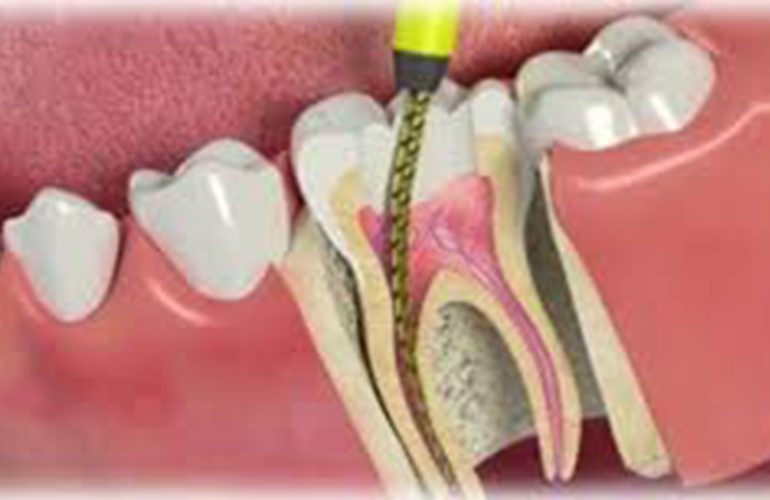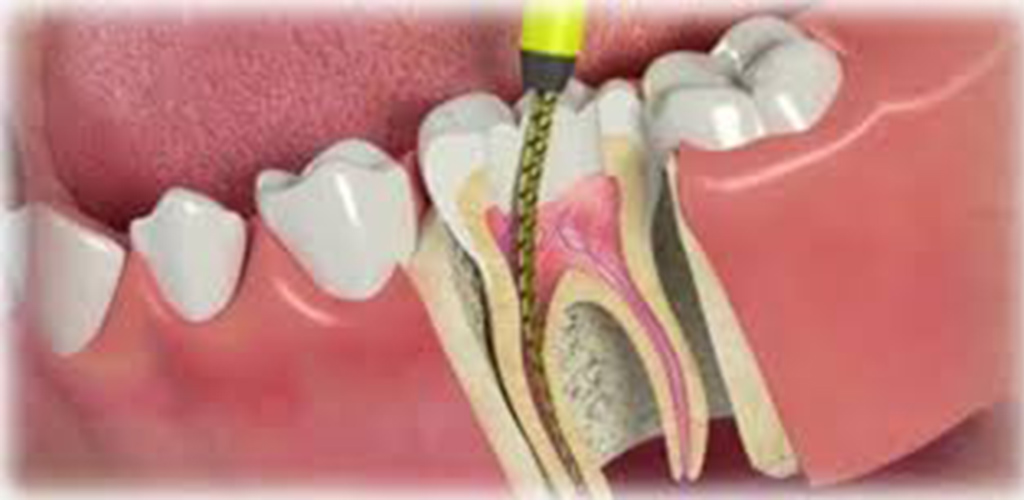
A toothache that starts during pregnancy can be a source of serious anxiety for expectant mothers, both physically and emotionally. The tendency to postpone treatment out of concern about harming the baby is common. Yet an untreated dental infection is a health problem that also needs attention during pregnancy. Root canal treatment during pregnancy is a procedure that can be planned with appropriate timing and precautions. As DijiDent Oral and Dental Health Polyclinic, we offer expectant mothers in Türkiye a transparent approach so that they can make their decisions with information and in harmony with their obstetricians.
The Risks of Postponing Treatment
Tooth-related infections can progress over time and lead to an abscess, facial swelling and fever. Severe pain, sleeplessness, difficulty eating and stress are also undesirable situations during pregnancy. In addition, more medication use may be needed because of an untreated infection. For this reason, treating a tooth that requires root canal treatment at a suitable time is, in most cases, considered a safer approach than postponing it.
Which Period Is More Suitable?
The First Trimester
In this period, when the baby’s organ development continues, elective, that is postponable, procedures are usually postponed. However, emergencies such as severe pain or infection are evaluated without waiting; an initial intervention to relieve the pain can be done and the continuation of the treatment can be planned for a suitable period.
The Second Trimester
It is generally considered the most suitable period for dental treatments. Nausea complaints have often decreased and the expectant mother can sit more comfortably in the chair. Treating teeth that require root canal treatment in this period is frequently preferred.
The Third Trimester
Lying on the back for a long time can cause dizziness and discomfort because the growing uterus puts pressure on the large blood vessels. In this period, sessions are kept short, the expectant mother’s position is supported by tilting her slightly to the left and frequent breaks are given. Non-urgent procedures can be planned for after the birth.
Is Local Anesthesia Safe?
The local anesthetics used in dentistry are considered usable during pregnancy when the appropriate agent and dose are chosen. Being treated in pain is a more undesirable situation than avoiding anesthesia, as it causes stress for the mother. The anesthetic substance and its amount are determined by your dentist, taking into account your pregnancy and general health condition.
Can X-Rays Be Taken?
During root canal treatment, radiographs may be needed to determine the canal length and check the treatment. Dental radiographs are taken at a very low dose and directed at the mouth area. During pregnancy, only images that are truly necessary are taken, protective measures are applied and an effort is made to minimize the number of radiographs with methods such as electronic canal length measuring devices. Comprehensive three-dimensional imaging, on the other hand, is usually left until after the birth for situations that can be postponed.
Medication Use
The choice of painkillers and antibiotics during pregnancy requires special care. Some medications are not recommended in certain periods of pregnancy. For this reason, it is important that you do not use any medication on your own and that you use the medications your dentist recommends as instructed. When necessary, your dentist makes a joint decision by contacting your obstetrician.
Preparing for the Appointment
- Report your pregnancy: Be sure to state at the beginning of the examination that you are pregnant or may be pregnant.
- Inform your obstetrician: Discuss the planned treatment with your obstetrician.
- List your medications: Inform your dentist of the vitamins and medications you use.
- Choose a comfortable time: Prefer the hours when your nausea is less.
- Eat: Do not come to the appointment hungry; low blood sugar can cause dizziness.
Comfort During Treatment
During pregnancy, treatment sessions are kept as short and well planned as possible. For the expectant mother to feel comfortable, the chair position is adjusted, support can be placed under the legs and a slight tilt to the left side can be given. When nausea, dizziness or any discomfort is noticed, the procedure is paused immediately. Before treatment, the process is explained in detail and the expectant mother’s questions are answered; this information contributes significantly to reducing anxiety.
Root Canal Treatment While Breastfeeding
Root canal treatment can also be done during the breastfeeding period after birth. Local anesthetics and many common painkillers are considered compatible with breastfeeding at appropriate doses. Still, the medications to be used are chosen accordingly if you report that you are breastfeeding.
Protecting Oral Health During Pregnancy
Hormonal changes can increase the risk of gum inflammation; vomiting and changes in eating habits can also raise the risk of caries. Having a dental check-up when planning a pregnancy and maintaining regular oral care during pregnancy helps prevent problems that would require root canal treatment.
Frequently Asked Questions
Yes. It can be done with the appropriate period and precautions. The second trimester is usually considered the most suitable period; emergencies are evaluated without waiting.
Local anesthesia at the appropriate agent and dose is considered usable during pregnancy. The choice is made by your dentist.
They may be needed for treatment. During pregnancy, only necessary images are taken, at a low dose and with protective measures.
During pregnancy, the choice of medication must be made by your physician. Do not use medication on your own.
Yes. If you report that you are breastfeeding, treatment can be done by choosing suitable anesthesia and medications.
A safe plan for you and your baby.
If you are experiencing toothache during pregnancy or want a check-up before pregnancy, contact us to book an appointment. Let us plan your treatment in harmony with your obstetrician at DijiDent Oral and Dental Health Polyclinic.
This content is for general information purposes and does not replace an examination by a dentist. Treatment and medication decisions during pregnancy should be made through the joint evaluation of your dentist and obstetrician.