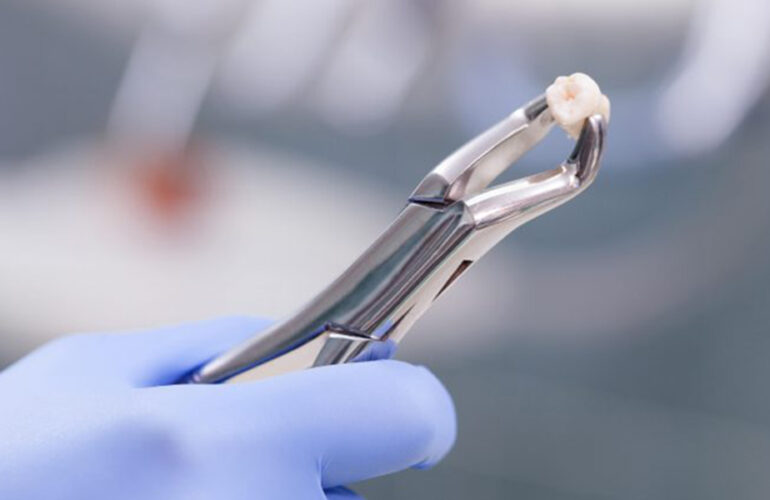
He asks whether his child’s tooth will be extracted and what the process will be like.
- Aslı (33), a mother whose child is afraid of the dentist: She wants to learn how her child will be kept calm during the extraction.
- Onur (40), father of Deniz (6), whose baby tooth is going to be extracted early: He wonders how early extraction will affect the permanent teeth.
- Selin (31), a mother considering pulling a loose tooth at home: She wants to know whether this is safe.
Baby teeth take on important roles for the child’s nutrition, speech development and the eruption of the permanent teeth beneath them in the correct position. For this reason, preserving them is recommended when possible. However, in some situations, extracting a baby tooth may be the most correct option for the child’s oral health and the development of the permanent teeth. Having information about baby tooth extraction helps parents make the right decisions in this process and give their children confidence. As DijiDent Oral and Dental Health Polyclinic, we offer our child patients in Türkiye a patient and reassuring approach.
The Natural Replacement of Baby Teeth
Baby teeth usually begin to fall out around the age of 6, and this process continues until around the age of 12. The permanent tooth coming from beneath resorbs the root of the baby tooth, causing it to loosen and fall out on its own. Most baby teeth fall out this way without any intervention being needed.
In Which Situations Is a Baby Tooth Extracted?
- A baby tooth that does not fall out: The baby tooth remaining in place even though the permanent tooth has started to erupt; the permanent tooth erupting from behind in the lower front teeth is a common example.
- Caries that cannot be restored: Baby teeth too damaged to be preserved with a filling or pulp treatment.
- Recurrent infection and abscess: Infections that threaten the development of the permanent tooth beneath.
- Trauma: Baby teeth that have suffered a root fracture or serious damage.
- Orthodontic reasons: Planned extractions to guide the correct eruption of the permanent teeth.
A Baby Tooth That Does Not Fall Out: Wait or Extract?
The permanent tooth erupting behind the baby tooth is common in the lower front region. If the baby tooth is markedly loose, it may fall out on its own within a few weeks, and the permanent tooth can move into place with the pressure of the tongue. However, if the baby tooth is not loose or remains in place for a long time, extracting it can help the permanent tooth move into the correct position. The evaluation is made by the dentist.
Is It Safe to Pull a Baby Tooth at Home?
Baby teeth that are very loose and about to fall out can be removed gently by the child or with clean hands. However, trying to pull teeth that are not loose or only slightly loose at home can lead to pain, a root fragment breaking off and fear of the dentist in the child. When you are not sure, it is recommended that you consult a dentist.
The Extraction Process in Children
Preparation
Before the extraction, what will happen is explained to the child in language that is appropriate for their age and not frightening. Instruments are introduced with the tell-show-do method. Parents showing a calm and positive attitude reduces the child’s anxiety.
Anesthesia
The feeling of the needle is reduced with topical anesthetic gel, and local anesthesia is administered slowly. The amount of anesthetic is carefully determined according to the child’s weight. For very loose teeth, topical anesthesia alone may be sufficient.
The Extraction
Baby teeth are usually removed quickly and gently. Since bone is more flexible in children, extractions are often easy. For children who experience intense anxiety or need extensive treatment, sedation or general anesthesia options can be considered under appropriate conditions.
Care After Extraction
- Gauze: Help the child bite on the gauze for the recommended period.
- Numbness: Keep the child under supervision until the anesthesia wears off so that they do not bite their lip or cheek.
- Nutrition: After the anesthesia wears off, prefer lukewarm-cold and soft foods; plain ice cream or yogurt is suitable.
- Oral care: Avoid vigorous rinsing on the first day; continue to brush the other teeth gently.
- Pain: If necessary, use only a painkiller suitable for the child’s age and weight, recommended by the dentist or pharmacist.
If a Baby Tooth Is Extracted Early: Space Maintainers
Baby molars in particular take on important space-maintaining roles. When these teeth are extracted prematurely, neighboring teeth can shift into the gap and narrow the space needed for the permanent tooth to erupt. To prevent this, fixed or removable appliances called space maintainers can be used. The need for a space maintainer is determined according to the position of the extracted tooth, the child’s age and the eruption time of the permanent tooth.
To Prevent Extraction
A significant portion of situations requiring extraction of baby teeth stem from caries that progress unnoticed. Regular brushing starting with the appearance of the first tooth, not giving sugary drinks in a bottle at night, limiting sugary snacks, fluoride applications and regular dental check-ups help baby teeth stay healthy and reduce the need for extraction.
For a Fear-Free Experience
Dental experiences in childhood can shape attitudes toward dental treatment in adulthood. At DijiDent, we value building a trust-based relationship with our child patients, explaining each step in a way they can understand and making the process as positive an experience as possible. Regular check-ups also help prevent problems that would require extraction.
Frequently Asked Questions
If the baby tooth is loose, it may fall out on its own; if it is not loose, extraction is considered. Consult a dentist.
With topical and local anesthesia, pain is not expected to be felt during the procedure.
Very loose teeth can be removed gently; do not force teeth that are only slightly loose.
Neighboring teeth may shift; a space maintainer is applied when necessary.
The tell-show-do method and positive language reduce anxiety; sedation options are considered if necessary.
A reassuring experience for our little patients.
Contact us to book an appointment to have your child’s baby teeth evaluated and, if necessary, to plan an extraction. Let us proceed with an approach suitable for your child at DijiDent Oral and Dental Health Polyclinic.
This content is for general information purposes and does not replace an examination by a dentist. Medication use in children must always be on the recommendation of a physician or pharmacist.