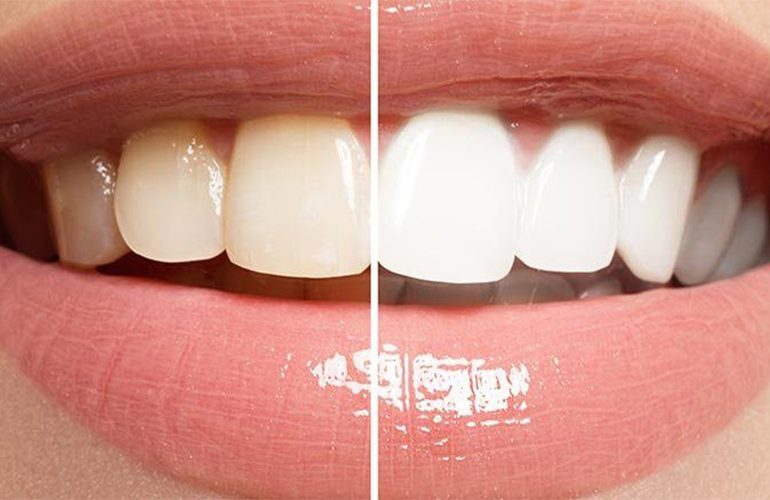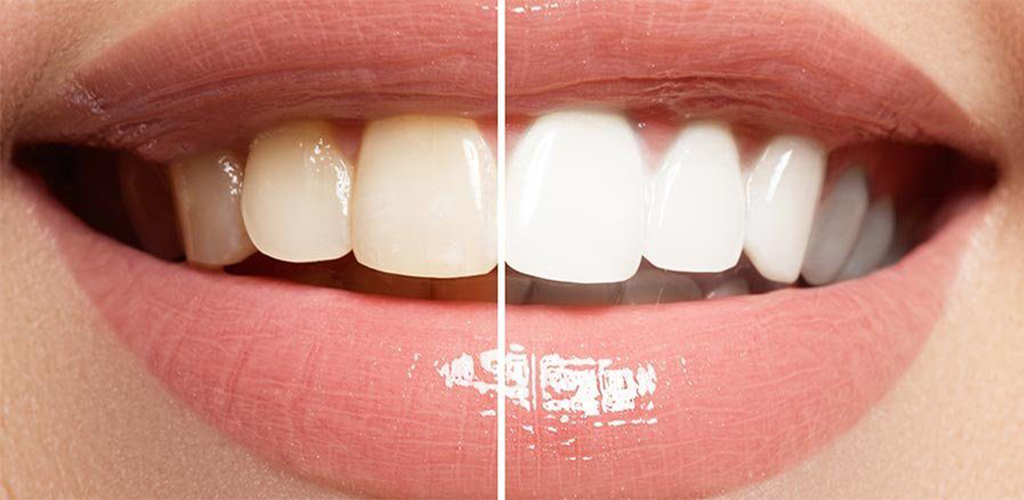
The completion of the teeth whitening procedure is the beginning of a new process aimed at maintaining the whiteness. The care program applied after whitening directly affects how long the result will be maintained and how healthy the teeth will remain. In this process, the habits acquired in the long term are as important as the care shown in the first days. Knowing the care program after whitening step by step helps you protect both your smile and your oral health for many years. As DijiDent Oral and Dental Health Polyclinic, we offer our patients in Türkiye a personalized, written care program after whitening.
The First 48 Hours: The Most Critical Period
Immediately after whitening, the teeth may be more susceptible to coloring substances, and sensitivity is at its most pronounced.
- White diet: Stay away from tea, coffee, red wine, cola, tomato paste, soy sauce and dark-colored fruits.
- Cigarettes and tobacco: Do not use any tobacco products.
- Hot and cold: Avoid very hot or very cold foods and drinks that could increase sensitivity.
- Acidic foods: Limit citrus fruits, vinegar and carbonated drinks.
- Colored products: Do not use colored toothpaste and mouthwash.
The First Week: Managing Sensitivity
- Desensitizing toothpaste: Use the desensitizing or fluoride toothpaste your dentist recommends.
- Soft brush: Brush with gentle movements using a soft-bristled brush.
- Limit coloring agents: Continue to reduce coloring drinks during the first week after the white diet as well.
- Monitor symptoms: If the sensitivity does not decrease or increases, consult your dentist.
The First Month: Check-Up and Evaluation
At the check-up appointment a few weeks after whitening, the color is measured again and compared with the initial record. Since the color has stabilized, at this stage, if necessary, the renewal of fillings or crowns on the front teeth to match the new color can be planned. In addition, sensitivity and gum condition are evaluated.
The Long-Term Daily Routine
- Brushing twice a day: With fluoride toothpaste for at least two minutes.
- Interdental cleaning: With dental floss or an interdental brush every day.
- Rinsing with water: Rinsing the mouth with water after coloring drinks.
- Using a straw: To reduce contact with the front teeth with cold and colored drinks.
- Mindful consumption: Instead of giving up tea and coffee completely, reducing how often you have them and not spreading them throughout the day.
- A smoke-free life: The most effective step in maintaining whiteness.
Special Occasions and Touch-Up Timing
If you want to refresh your whiteness before a wedding, graduation or important event, it is recommended that you plan the touch-up application a few weeks before the event. That way, any sensitivity will have passed and the color will have stabilized. Applications done in the days immediately before the event can lead to unexpected situations such as sensitivity or uneven color.
Things to Watch in the Long Term
With age, the color of the teeth can change naturally. Changes such as gum recession, enamel wear and new restorations may also require the care program to be updated over time. For this reason, the care program after whitening should be thought of not as a fixed plan, but as a process that is updated together with check-ups.
Which Toothpaste Should Be Used?
In daily use, a fluoride toothpaste should be the basic choice. Whitening toothpastes can be supportive in reducing the accumulation of surface stains; however, since highly abrasive products can damage the enamel in the long term, it is recommended that you consult your dentist about which product is suitable for you. If sensitivity continues, desensitizing toothpastes can be preferred.
Periodic Professional Care
Check-up appointments and professional dental cleaning done at intervals determined by your dentist ensure the removal of surface stains and tartar. These applications make an important contribution to maintaining the whitening result and reducing the need for touch-ups. At each check-up, color measurement is done and the change over time is followed.
Touch-Up Plan
When a marked return of color is noticed, touch-up applications can be planned with your dentist’s evaluation. Your at-home whitening trays can be used for this purpose if your oral structure has not changed. The frequency and duration of touch-ups should be determined by the dentist; uncontrolled and frequent repetitions should be avoided.
When Should You Consult Your Dentist?
- Prolonged or increasing sensitivity
- Pain or a color change in a single tooth
- Bleeding, swelling or sores in the gums
- Uneven color areas on the teeth
Summary of Your Care Program
The first two days: white diet and no tobacco; the first week: sensitivity management; the first month: check-up and restoration planning; in the long term: good oral care, mindful consumption, regular professional cleaning and, when necessary, touch-ups under a dentist’s supervision. At DijiDent, we provide this program to you in writing and follow it together with check-up appointments.
Frequently Asked Questions
Follow the white diet for the first 48 hours, stay away from tobacco products and use the care products your dentist recommends.
A fluoride toothpaste should be the basic choice; if there is sensitivity, desensitizing products can be used.
Usually a few weeks later; your dentist determines the time specific to you.
With good oral care, limiting coloring agents, quitting smoking and regular professional cleaning.
After the color has stabilized, usually by waiting a few weeks.
Let us maintain your whiteness together for many years.
Contact us to book an appointment for your check-up and care program after whitening. Let us follow your result regularly at DijiDent Oral and Dental Health Polyclinic.
This content is for general information purposes and does not replace an examination by a dentist. The care program is arranged individually by the dentist.