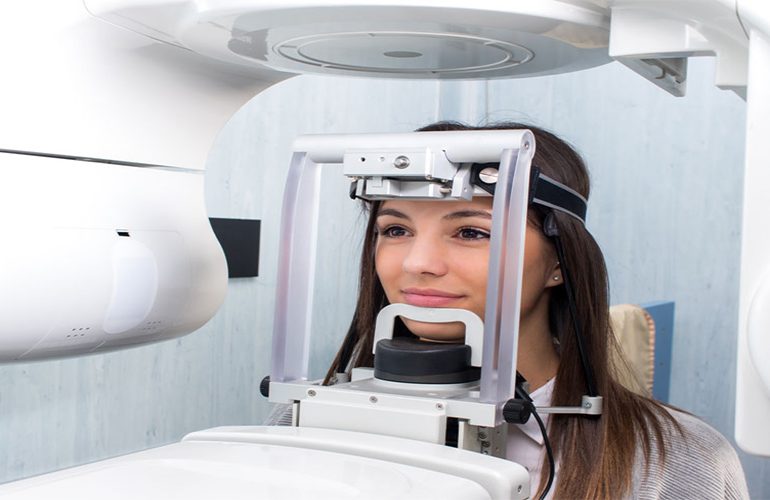
The biggest constraint for patients living abroad is time. Completing treatment in a visit of a few days or a few weeks is only possible if the process is planned in advance. Remote dental evaluation is the first step of this planning: when your existing images and complaints are shared, possible scenarios and an estimated timeline can be discussed in advance. As DijiDent Oral and Dental Health Polyclinic, we carry out this process transparently with our patients coming to Türkiye.
What Is the Limit of the Preliminary Evaluation?
It is necessary to be clear about this from the start: an evaluation made remotely is a preliminary evaluation, not a diagnosis. Images provide information about the bone structure; however, the consistency of the gum tissue, the mobility of the teeth, the bite relationship and sensitivity tests can only be evaluated with a clinical examination. For this reason, we recommend that you approach definitive treatment and duration commitments made without an examination with caution. The realistic approach is to share possible scenarios and decision points in advance.
Records You Should Share
- Three-dimensional tomography (in DICOM format): The most valuable record if available; it is necessary for implant and surgical planning.
- Panoramic film: Shows the general condition.
- Intraoral photos: Images of the front teeth, right and left bite, and upper and lower jaws.
- Smile photo: If aesthetic planning is involved.
- Medical history: Chronic diseases, medications you use and past surgeries.
- Previous treatment information: Past reports and dates, if any.
Sharing the images as original digital files instead of screen photos is important so that measurements can be made.
Protection of Personal Data
The records you share are personal health data. At DijiDent, this data is stored within the framework of the relevant legislation and used only for the purpose of treatment planning. It is not shared with third parties without your explicit consent.
Why Are Realistic Expectations Important?
The most common problem we encounter with our patients coming from abroad is schedules set up too optimistically from the start. Healing times vary from person to person and cannot be accelerated. Setting up the plan realistically ensures that you return with a treatment done at the right time, rather than a procedure hastily completed on the last day of your visit.
How Is the Timeline Set Up?
How many visits the treatment will require depends on the scope of the plan. We can summarize the general framework as follows: in cases where only restoration or aesthetic application is planned, the process can be completed in a single visit. When implant treatment is involved, however, a healing period is required between the surgical stage and the prosthetic stage; in this case, two visits are usually planned. If additional procedures such as bone grafting or sinus lifting are needed, the total duration becomes longer.
The exact timeline becomes clear after the first examination. Nevertheless, sharing the possible scenarios in the preliminary evaluation makes it easier for you to plan your travel and accommodation.
What Is Done When You Arrive?
The first day is usually spent on a detailed examination and, if necessary, current imaging and digital impressions. The plan discussed in the preliminary evaluation is compared with these findings and takes its final form. If a change in the plan is needed, it is communicated to you along with its rationale; application does not begin without your approval. Not skipping this step ensures that both your expectations and the clinic’s meet at the same point.
Follow-Up After Returning
How follow-up will be carried out when you return to your country after treatment is completed should be discussed from the start. How check-up appointments will be conducted remotely, in which situations you need to see a local dentist and how your treatment records will be delivered to you are part of the plan. We recommend that you request a digital copy of your records; wherever you are in the future, you can document your treatment history.
Frequently Asked Questions
No. A remote evaluation provides preliminary information; the definitive plan is created after the clinical examination.
You can have it taken in the country where you live or at our clinic when you arrive. If you have an existing panoramic film, share it anyway.
It varies according to the scope of the plan. Possible durations are shared in the preliminary evaluation; the exact timeline becomes clear after the examination.
Yes. Your images and treatment summary can be requested digitally.
The follow-up process is planned from the start. The communication channels and the situations in which you need to seek local care are explained to you.
Because the file size is large, sharing via a secure link is usually preferred.
Plan your treatment before planning your trip.
By sharing your existing images, you can start the preliminary evaluation process and learn the possible timeline in advance. Contact us for more information; as DijiDent Oral and Dental Health Polyclinic, let us welcome you in Istanbul with a realistic plan.
This content is for general information purposes. A remote evaluation does not replace a diagnosis; the definitive treatment plan is created after the clinical examination.