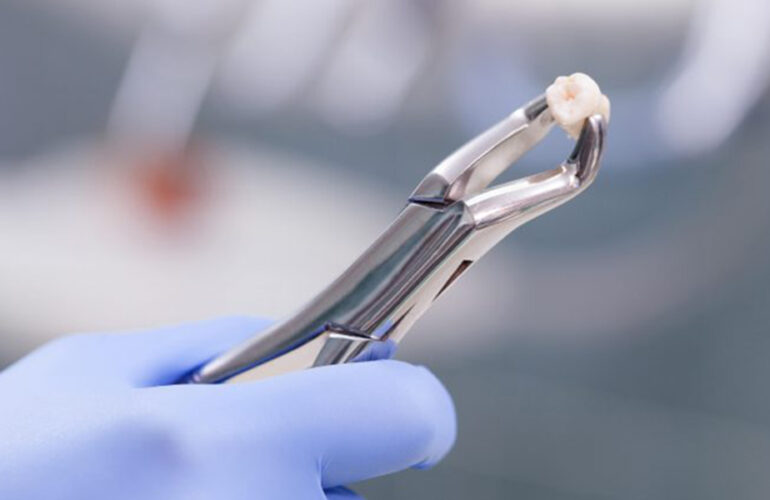
Swelling of the face is quite common after tooth extraction, especially after surgical extractions and the removal of impacted wisdom teeth. This swelling is part of the body’s natural healing response to a surgical procedure. However, the degree and duration of swelling can be reduced with the right measures; it is also important to be able to distinguish normal swelling from a sign of infection. Having information about managing swelling after extraction allows you to get through the healing period more comfortably. As DijiDent Oral and Dental Health Polyclinic, we have prepared a practical guide for our patients in Türkiye.
Why Does Swelling Occur?
After a surgical procedure, the body starts the healing process by increasing blood flow to the area. During this process, fluid accumulates in the tissues and swelling occurs. The degree of swelling varies according to the scope of the procedure, the difficulty of the extraction, whether bone was removed, the duration of the procedure and the individual characteristics of the person. While marked swelling is often not seen after simple extractions, it may be more pronounced after the surgical extraction of impacted teeth.
The Course of Normal Swelling
- First day: Swelling begins gradually.
- Second and third days: Swelling usually reaches its highest level.
- From the fourth day onward: Swelling begins to decrease.
- Around one week: In most patients, the swelling largely subsides.
This course may vary from person to person; it may last longer after extensive surgeries.
What Can Be Done to Reduce Swelling?
Cold Application (First 24–48 Hours)
For the first one or two days after the extraction, apply an ice bag wrapped in a cloth or a cold compress to the outer surface of the cheek. It is generally recommended to repeat this as 15–20 minutes of application followed by a 15–20 minute break. Do not let the ice come into direct contact with the skin; it can cause a cold burn. Cold application helps reduce swelling and pain by constricting blood vessels.
Warm Application (On the Dentist’s Recommendation)
After the first two days, when the swelling begins to decrease, your dentist may recommend warm application to increase circulation. However, warm application is not recommended in the first days, as it can increase swelling. If infection is suspected, warm application should not be done.
Keeping the Head Elevated
Sleeping with your head elevated on an extra pillow during the first nights can reduce fluid accumulation in the facial area.
Rest
In the first days, avoid intense physical activity, heavy lifting and tasks that require bending over; these activities can increase swelling and bleeding by raising blood pressure.
Medications
Use the painkillers and anti-inflammatory medications your dentist recommends as indicated. These medications can help reduce both pain and swelling. Do not add medications on your own or change the dose.
Nutrition and Fluids
Prefer lukewarm and soft foods and drink plenty of water. Avoid very hot, spicy and salty foods in the first days. Alcohol and smoking can negatively affect healing.
Applying these measures together is more effective than applying them individually.
Bruising
Bruising in the cheek or jaw area may be seen, especially after impacted tooth extractions, in elderly patients and in those who use blood thinners. Bruising changes color as the blood that has leaked into the tissue is absorbed by the body and usually disappears within one or two weeks. It is generally not a cause for concern; however, inform your dentist in the case of rapidly enlarging or very painful bruising.
Limited Mouth Opening
After the extraction of lower wisdom teeth, limited mouth opening may be seen due to swelling in the jaw muscles. This condition usually decreases along with the swelling. Your dentist may recommend gentle mouth-opening exercises at the appropriate time.
Normal Swelling or Infection?
The following situations may be outside the normal course of healing and require evaluation:
- Swelling that increases after the third day
- Fever and general weakness
- Purulent discharge or a bad odor from the extraction site
- Pain that gradually increases and does not respond to painkillers
- Swelling spreading around the eye or to the neck
If any of these symptoms are present, contact your clinic. In situations such as difficulty swallowing or breathing, or rapidly spreading swelling of the neck, go to the emergency department without losing time.
Measures That Can Be Taken Before Surgery
In extensive surgical extractions, your dentist may recommend some medications before or during the procedure to limit swelling. A gentle approach to the tissues during surgery and keeping the procedure short also contribute to reducing swelling. Being well rested, eating regularly and taking a break from smoking before the procedure also support the healing process.
Planning the Extraction Date
If you are planning a surgical extraction before an important event, exam or business meeting, it is recommended that you set the date taking into account the first few days when the swelling is most pronounced. At DijiDent, we help you plan by sharing the scope of the procedure and the expected healing process with you before the extraction.
Frequently Asked Questions
It is usually most pronounced on the second and third days and largely subsides within a week.
Cold application is recommended for the first one or two days. Warm application can only be done in the following days on the dentist’s recommendation.
Contact your clinic; an evaluation for infection may be necessary.
It may be seen especially after surgical extractions and usually disappears within one or two weeks.
Cold application, keeping the head elevated, rest and the use of medication on the dentist’s recommendation help.
We are by your side during your healing process.
Contact us with your questions about swelling after extraction or your healing. Let us follow your healing closely at DijiDent Oral and Dental Health Polyclinic.
This content is for general information purposes and does not replace an examination by a dentist. In the case of difficulty swallowing or breathing and rapidly spreading swelling, the emergency department should be contacted.