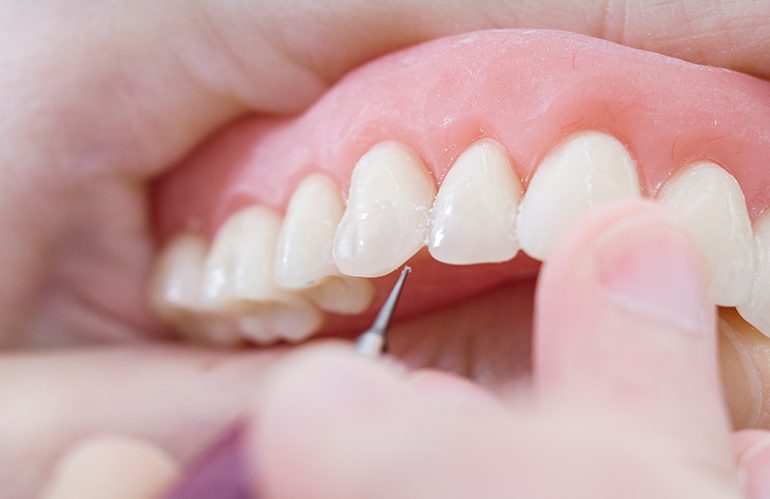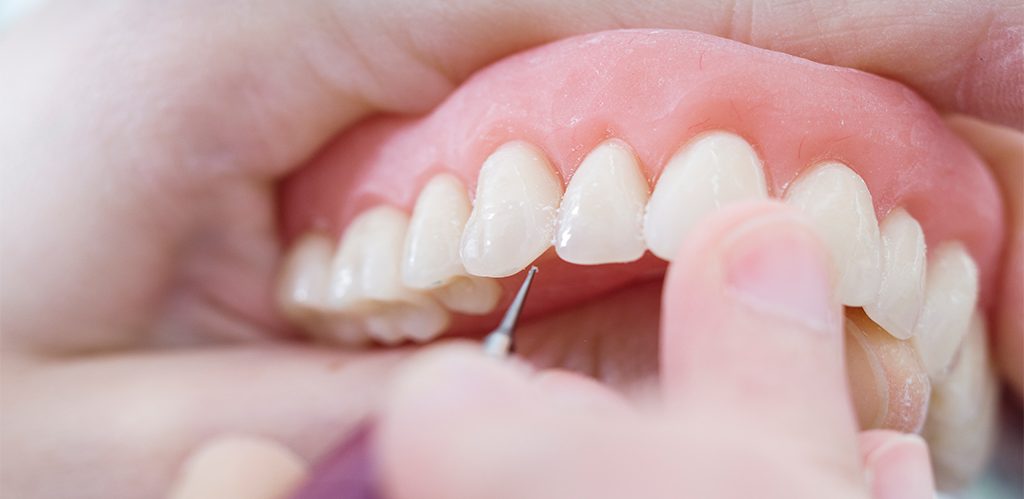
There are two goals in prosthesis treatment: to chew comfortably and to look natural. These two goals sometimes support each other, and sometimes a balance needs to be struck between them. A plan that focuses only on aesthetics may create problems in chewing, while a plan that considers only function may lead to the person not recognizing themselves in the mirror. The balance of aesthetics and function in prostheses is the essence of good planning. As DijiDent Oral and Dental Health Polyclinic, in Türkiye we strike this balance together with you.
Teeth Are the Support of the Face
The position of the front teeth determines not only the appearance but also lip support. When the teeth are positioned further inwards than necessary, the upper lip is left unsupported, the lines at the corners of the mouth deepen and the face may look older than it is. When they are positioned too far outwards, the lip is tense and speech is affected.
Similarly, the bite height is also decisive. In a denture planned too low, the lower face becomes shorter and the chin appears to protrude; when it is planned too high, the lips have difficulty closing and the muscles become tired. These measurements are not aesthetic preferences but clinical decisions.
Tooth Selection
- Size: It should be in harmony with the width of the face and the smile line.
- Form: A choice balanced with the facial features is made.
- Color: Skin tone, the whites of the eyes and age are evaluated together.
- Arrangement: Slight irregularities support a natural appearance.
- Gum color: The shade of the pink part of the denture also affects naturalness.
Age-Appropriate Naturalness
Some of our patients want very white and perfectly aligned teeth. We understand and respect this request; however, it is also our duty to share how the result will be perceived. Natural teeth darken slightly with age and their edges soften. On an older face, a very bright white and completely symmetrical row of teeth can create a striking contrast. Slight depth of color and small irregularities increase the credibility of the result.
The decision is yours; what we do is to show concretely at the try-in stage how the options will look.
The Value of the Try-In Stage
In complete and partial dentures, the teeth are first set on wax and tried in the mouth. At this stage, the following are evaluated: lip support, the amount of tooth visible when smiling, the midline, tooth length and color, speech and the bite. This is where the opportunity arises for you to see and evaluate it in the mirror.
It is very important that you mention the points you do not like at this stage. Staying silent out of the thought of “not wanting to be impolite” leads to a result that is much more difficult to correct after permanent production. Every objection at the try-in stage is valuable information for us. Having a relative you trust with you can also make your decision easier.
Speech Is Also a Criterion
At the try-in stage, it is not only the appearance that is examined. The patient is asked to speak aloud, read a few sentences and smile. Significant difficulty with S sounds may indicate that the space between the teeth or the bite height needs to be adjusted. This evaluation should be done before permanent production.
Old Photographs
We recommend that you bring photographs from before your tooth loss. Your own natural tooth form, length and smile style are the strongest reference. This provides a realistic starting point for a “like before” result.
Function Should Not Be Compromised
Flattening the chewing surfaces or positioning the teeth further out than necessary for aesthetic reasons may lead to the denture moving and chewing efficiency decreasing. For this reason, we clearly state that some requests have clinical limits. The aim is not an attitude that fails to satisfy you; it is to protect you from a result you will regret a few months later.
Frequently Asked Questions
Tooth size is chosen in harmony with your face width and smile line; very small teeth can make the face look disproportionate.
Of course. Bringing someone you trust to the try-in appointment can make your decision easier.
Correct lip support and bite height can positively affect facial features; however, this is not a facial rejuvenation procedure.
The choice is made together; your dentist gives an opinion on its harmony with your face.
Yes, that is the purpose of this stage. Revisions are made before permanent production.
Excessive symmetry may be perceived as artificial; slight irregularity supports naturalness.
If there is a result you liked, it can be used as a reference; it is useful to bring it.
It is possible both to chew comfortably and to look natural.
Let us evaluate your expectations concretely at the try-in stage. Contact us to book an appointment; let us set up your plan together at DijiDent Oral and Dental Health Polyclinic.
This content is for general information purposes; results vary from person to person. Planning is done with a dentist’s examination.