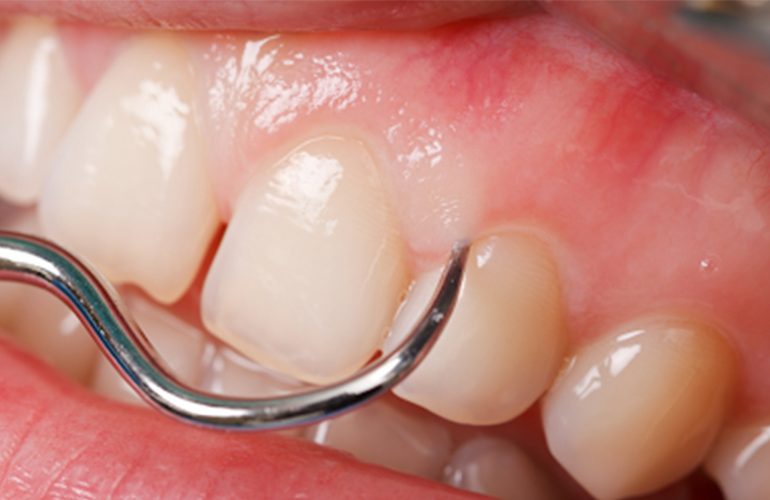
When gum disease progresses, the space between the tooth and the gum deepens, and the build-up that accumulates there cannot be removed with normal cleaning methods. The procedure applied at this point is different from superficial cleaning. Periodontal pocket treatment allows the tissue to heal by removing the source of inflammation from the deep areas. As DijiDent Oral and Dental Health Polyclinic, in Türkiye we carry out this treatment with a measurement-based program.
How It Differs from Normal Cleaning
Routine tartar removal mainly targets deposits above the gum. In periodontal pocket treatment, however, deposits below the gum that are attached to the root surface are removed and the root surface is made smooth.
This distinction is important because a rough root surface makes bacterial adhesion easier. When the surface is not smoothed, inflammation starts again in a short time even if cleaning is done.
How Is the Procedure Done?
First, pocket depths are measured throughout the mouth and bleeding points are recorded. This record is necessary both for planning the treatment and for evaluating the result.
During the procedure, ultrasonic instruments and hand instruments are used together. Local anesthesia is applied for deep pockets and sensitive patients; in this way, the procedure is carried out painlessly. The work is done area by area, because treating the whole mouth under anesthesia in a single session may not be appropriate in terms of both patient comfort and procedure quality.
For this reason, the treatment is usually divided into several sessions. This does not mean prolonging the procedure; it means allocating sufficient time to each area.
What to Expect Afterwards?
- Cold sensitivity may be seen in the first days; it usually decreases over time.
- Mild gum tenderness and a small amount of bleeding are normal.
- As inflammation recedes and the tissue tightens, the gums may recede somewhat.
- Gaps between the teeth that were not noticed before may become visible.
- There may be a temporary feeling of mobility in the teeth.
The last two points are the ones that worry patients most. The change here shows not that the treatment has caused harm, but that the swollen and inflamed tissue has receded, revealing the real situation. It is important to discuss this possibility before treatment.
The Healing Period
For a few days after the procedure, it is recommended that you eat soft foods and avoid very hot, very cold, acidic and spicy foods. You should not stop brushing; gentle cleaning with a soft brush should continue. Your dentist may recommend supportive applications when necessary.
Smoking negatively affects the tissue healing response. This topic is discussed separately with patients receiving periodontal treatment; quitting is the most important modifiable factor that can significantly affect the treatment response.
How Is the Result Evaluated?
A re-evaluation is done a certain time after treatment. Pocket depths are measured again and bleeding points are recorded. Comparison with the initial records allows the response to be seen objectively.
The goal is a reduction in pocket depths and the stopping of bleeding. In some areas, the response may not be sufficient; in this case, surgical approaches are evaluated. In other words, this treatment is also a stage that determines whether surgery is needed.
Does the Pocket Close Completely?
When inflammation recedes, the tissue tightens and the pocket depth decreases. However, since lost bone and connective tissue do not come back, some depth may remain in some areas. What matters is that these areas are bleeding-free and stable.
Antibiotics and Supportive Applications
The basis of periodontal treatment is mechanical cleaning; antibiotics do not replace it. In certain types of cases, for example in rapidly progressing forms or in areas that do not respond, supportive use may be considered. In addition, local antimicrobial products applied into the pocket come into consideration as an option in some cases. These decisions are made by your dentist; using antibiotics on your own decision may do more harm than good.
Maintenance Sessions
This is the most critical continuation of this treatment. Periodontal disease is brought under control; however, the tendency to recur continues. For this reason, regular maintenance sessions are planned, and these are different from routine cleaning: at each session, measurements are repeated and whether the disease has become active is monitored.
Frequently Asked Questions
When done under local anesthesia, no pain is expected; afterwards there may be short-term sensitivity.
It varies according to the number and depth of the pockets; it is usually divided into several sessions.
There may be a temporary feeling of mobility; it usually decreases as the tissue heals.
They are not needed in every case. The decision to use them is made by your dentist.
It may progress if care and maintenance sessions are neglected; this is why follow-up is important.
Deep cleaning is one of the most effective steps in protecting your teeth.
Your pocket depths are measured and a treatment program specific to you is created. Contact us to book an appointment; let us carry out your evaluation at DijiDent Oral and Dental Health Polyclinic.
This content is for general information purposes. The treatment plan and number of sessions are determined by clinical and radiological evaluation.