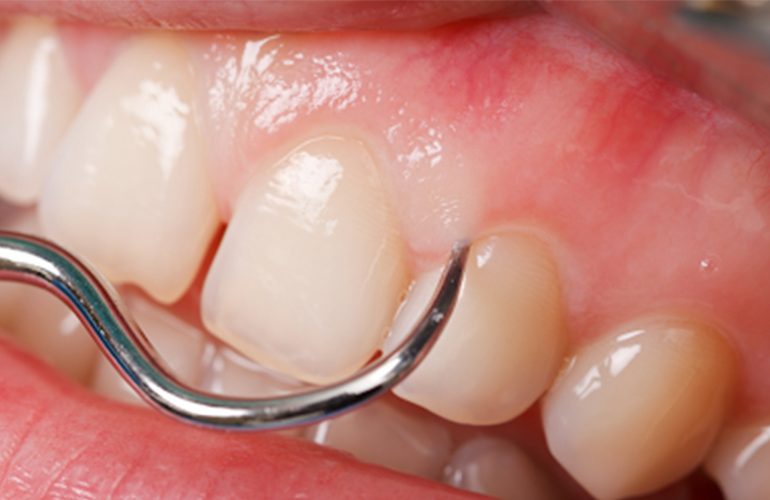
In smile aesthetics, the gums surrounding the teeth are as decisive as the teeth themselves. Even perfectly made restorations do not give the expected result when their frame is out of harmony. In dentistry, the appearance of the teeth is called “white aesthetics” and the appearance of the gums “pink aesthetics.” Gum aesthetics covers this second component. As DijiDent Oral and Dental Health Polyclinic, in Türkiye we address these two components together in aesthetic planning.
Features Sought in Aesthetic Gums
- Healthy appearance: Light pink color, firm tissue, no bleeding.
- Harmonious level: Balance between the gum margins of the incisors and canines.
- Symmetry: The right and left sides being similar.
- Papilla fullness: The triangular tissue between the teeth filling the space.
- Smooth margin line: The border surrounding the tooth running smoothly.
When even one of these criteria is disrupted, the smile may be perceived as unbalanced even if the teeth are flawless.
Areas of Application
Adjusting the Gum Level
If the teeth look short, the problem is sometimes not in the tooth itself but in the gum covering the tooth excessively. In this case, the level is adjusted and the real length of the tooth is revealed.
There is a critical criterion here: where the gum margin will be brought is not determined randomly. The underlying bone level and the tissue relationship called the biological width must be taken into account. In applications done without taking this criterion into account, the tendency of the tissue to return to its old position increases and chronic inflammation may develop. In some cases, the bone level also needs to be adjusted.
Crown Lengthening
In teeth that are broken or have excessive structure loss, there may not be enough tooth surface left for a restoration. With this application, the gum and, if necessary, the bone level are adjusted and healthy surface is revealed. This is a restorative necessity as much as an aesthetic one.
Managing Black Triangles
When the papilla tissue between the teeth recedes, triangular gaps form. Once this tissue is lost, recreating it is quite difficult; for this reason, the approach is usually aimed at reducing the gap. Moving the contact point between the teeth down restoratively, orthodontic approaches or limited interproximal reduction are evaluated.
Gum Depigmentation
Some people have dark pigmentation on their gums. This is a completely natural variation and not a disease. If the person is bothered by it, lightening it with superficial applications may be considered. Two points need to be stated here: this is an aesthetic preference, not a medical necessity; and the pigmentation may return somewhat over time. It is important that expectations are set accordingly.
Pink Aesthetics Around Implants
In front-region implants, the most challenging issue is making the shape of the surrounding gum resemble that of a natural tooth. Tissue thickness, papilla support and shaping done with the temporary restoration determine the result. For this reason, in front-region implants, the temporary period is not only an aesthetic interim solution but a stage that shapes the tissue.
Prerequisite: Health
Aesthetic applications require a healthy foundation. No adjustment made while there is active inflammation is permanent; as the tissue heals, the level changes again. For this reason, pink aesthetics planning always starts with ensuring periodontal health.
Its Relationship with the Smile Line
How important gum aesthetics is depends on how much gum is visible when smiling. In patients with a high smile line, the gum margins and restoration edges are clearly visible; in these cases, pink aesthetics becomes critical. In a low smile line, these areas are largely covered by the lip and the priority shifts to the incisal edges of the teeth. For this reason, planning starts with a smile analysis.
The Role of Biotype
Gum thickness varies from person to person. In patients with thin tissue, the risk of recession after applications is higher and restoration margins may show through more easily. In thick tissue, the situation is more tolerant. This distinction affects the choice of both technique and material.
Frequently Asked Questions
When done in the right indication and with biological criteria taken into account, it usually remains stable.
The maturation of the tissue takes time; the final appearance is not evaluated immediately.
Lost papilla tissue is difficult to regain; solutions aimed at reducing the gap are usually applied.
Some return may be seen; this possibility is shared from the start.
It is usually done first and tissue healing is awaited; then the permanent restoration follows.
The frame of your smile is also part of the design.
A plan is created by evaluating your gum level and tissue structure. Contact us to book an appointment; let us examine it together at DijiDent Oral and Dental Health Polyclinic.
This content is for general information purposes; aesthetic results vary from person to person. Planning is done with a dentist’s examination.