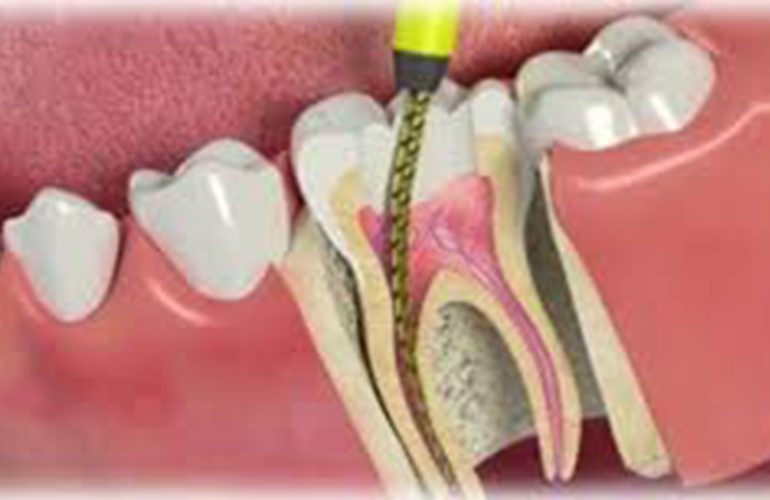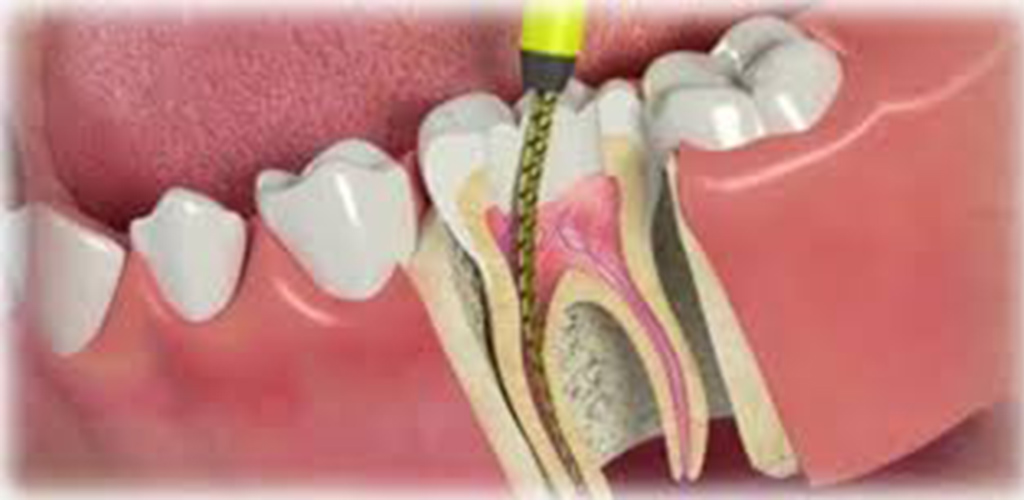
A tooth that has had root canal treatment or received an impact in the past turning grey, brown or yellowish over time can be aesthetically bothersome, especially in the front teeth. This discoloration is often not corrected by classic whitening done from the outside; because its source is inside the tooth. Knowing the causes of discoloration in a root-canal-treated tooth and the solution options allows you to understand the ways of restoring your tooth’s natural appearance with as little intervention as possible. As DijiDent Oral and Dental Health Polyclinic, we present these options to our patients in Türkiye together with their advantages and limits.
Why Does a Root-Canal-Treated Tooth Change Color?
Bleeding and Tissue Remnants in the Pulp
Bleeding that occurs in the pulp after trauma can cause blood pigments to pass into the dentin tubules. Tissue remnants formed as the pulp loses its vitality can also darken over time and cause the tooth to change color from the inside.
Root Canal Filling Materials and Pastes
Some root canal filling pastes and intracanal medications can stain the dentin over time, especially when left in the crown part of the tooth. For this reason, care is taken during treatment to clean filling materials from the visible part of the tooth.
Leaking Restorations
Staining agents and bacteria leaking from the margins of the filling on the tooth can also contribute to discoloration. This situation may at the same time indicate a leak that could threaten the success of the root canal treatment.
Changes in Tooth Structure
In root-canal-treated teeth, the light-reflecting property of the dentin may change; this can cause the tooth to look more opaque and matte.
Evaluation Before Treatment
Before starting a treatment for discoloration, the health of the tooth is evaluated. Whether the root canal treatment is adequate, whether there is an infection at the root tip and whether the upper restoration is leaking are examined radiographically and clinically. If there is a problem with the root canal treatment, this problem needs to be resolved first. A darkened tooth may also be a tooth that has recently lost its vitality and has not yet had root canal treatment; in this case, root canal treatment is planned first.
Solution Options
Internal Bleaching (Non-Vital Bleaching)
Since the source of the discoloration is inside the tooth, the bleaching agent is also applied inside the tooth. A small access opening is made from the back surface of the tooth, the upper part of the root canal filling is covered with a special barrier material, the bleaching agent is placed inside the crown and the tooth is temporarily closed. This application can be repeated several times to reach the desired color. The access is then permanently restored.
The most important advantage of internal bleaching is that the natural appearance can be improved with almost no tissue removed from the outer surface of the tooth. However, the result is not the same in every case; the cause and duration of the discoloration affect the result. Some color regression may be seen over time and the application can be repeated if necessary.
Composite Bonding
In situations where internal bleaching is not sufficient or not suitable, the color can be masked by applying tooth-colored composite material to the front surface of the tooth. It is a minimally invasive option; however, masking dark colors is not always easy and staining may be seen over time.
Laminate Veneer
Thin ceramic shells bonded to the front surface of the tooth offer an aesthetic option for color and form correction. In very dark colors, it can be planned together with internal bleaching so that the underlying color does not show through.
Crown
If there is major structure loss in the tooth, if the durability of the tooth needs to be increased or if other options are insufficient, a crown may be preferred. A crown has both an aesthetic and a protective function; however, it requires more tissue to be removed from the tooth.
Which Option Suits You?
The decision is made by evaluating together the cause and degree of the discoloration, the amount of healthy tissue remaining in the tooth, the color of the neighboring teeth and the patient’s expectations. At DijiDent, we generally prefer to start with the option causing the least tissue loss and proceed from there, and we openly share the advantages and limits of each option with our patients. Digital smile design tools can help discuss expectations about the result in advance.
Points to Consider After Treatment
During the internal bleaching process, it is recommended to stay away from staining substances such as tea, coffee, cola and cigarettes, especially in the first days. Choosing the color of the restoration applied after bleaching is complete and the color has stabilized provides a more harmonious result. In teeth that have had bonding or veneers, regular check-ups and professional polishing help preserve the appearance.
To Prevent Discoloration
Regularly monitoring teeth that have undergone trauma, not delaying root canal treatment when necessary, cleaning the crown area well during treatment and making a sealed upper restoration help reduce the risk of discoloration.
Frequently Asked Questions
Bleeding inside the pulp, tissue remnants, some root canal filling materials or leaking restorations can cause the tooth to change color from the inside.
Whitening done from the outside usually does not sufficiently correct discoloration originating from the inside. Internal bleaching may be a more suitable option.
When applied with a suitable barrier and protocol, it is considered safe. Its suitability is determined by a dentist’s examination.
It can be maintained for a long time; however, some color regression may be seen over time and it can be repeated if necessary.
Not always. In teeth with little structure loss, more conservative options such as internal bleaching or bonding can be evaluated first.
Let us reach your tooth’s natural color with minimal intervention.
Contact us to book an appointment to learn the suitable options for your darkened or discolored tooth. Let us evaluate both the health and appearance of your tooth together at DijiDent Oral and Dental Health Polyclinic.
This content is for general information purposes and does not replace an examination by a dentist. Aesthetic results vary from person to person; the suitable method is determined after the clinical evaluation.