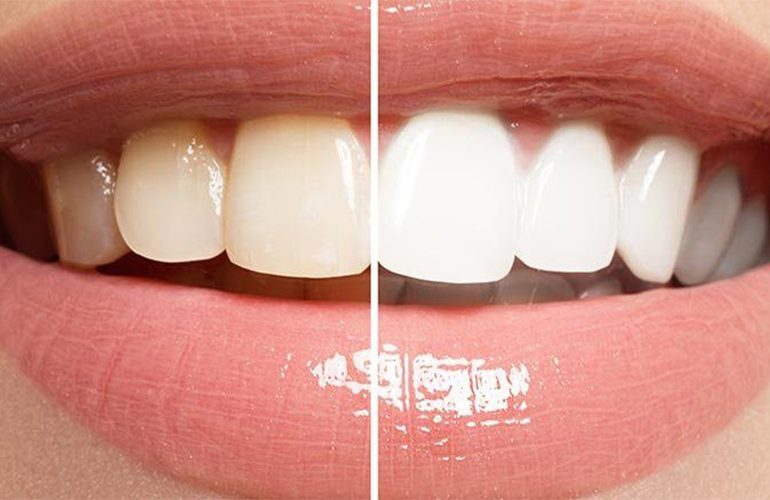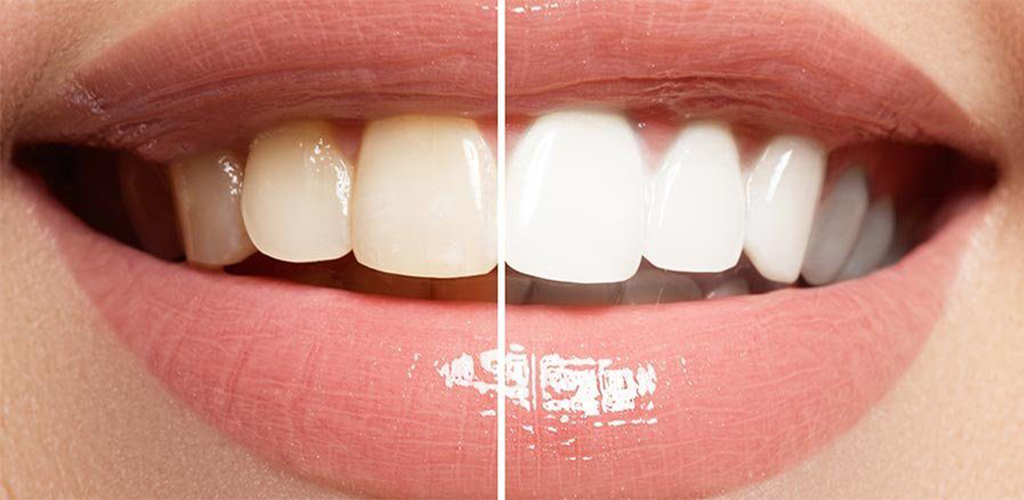
Teeth whitening is a safe and effective aesthetic procedure when the teeth are healthy and the right preparation has been done. However, going directly to whitening without an examination can lead to problems such as severe sensitivity, unexpected pain, uneven results and color mismatches. The examination before whitening is the most important step taken both to protect your health and to achieve a realistic and satisfying result. As DijiDent Oral and Dental Health Polyclinic, we always start whitening with a comprehensive evaluation for our patients in Türkiye.
Why Is the Examination Necessary?
- Safety: If there are problems such as caries, cracks and gum diseases, whitening can lead to sensitivity and pain.
- Correct diagnosis: By determining the cause of the discoloration, whether whitening will be effective is predicted.
- Suitable method: In-office, at-home or a different method is chosen according to the patient’s situation.
- Realistic expectations: The patient is informed in advance about the result that can be achieved.
What Is Evaluated in the Examination?
Health History
You are asked about your general health condition, the medications you use, your allergies, your pregnancy or breastfeeding status and whether you have had whitening done before. Sensitivity experienced in previous whitening is also taken into account in planning.
Condition of the Teeth
- Caries: Untreated caries are treated before whitening.
- Fillings and crowns: Leaking restorations or those with deteriorated margins are identified; the color matching of restorations on the front teeth is planned.
- Cracks and wear: Enamel cracks and worn surfaces are evaluated in terms of sensitivity.
- Root-canal-treated teeth: A separate plan may be needed for teeth that have discolored internally.
Condition of the Gums
If there is gum inflammation or disease, the whitening gel can lead to irritation of the gums. In addition, root surfaces exposed due to gum recession can increase sensitivity after whitening, and root surfaces do not respond to whitening as well as enamel. These situations are evaluated in advance and treated if necessary.
Sensitivity Evaluation
The cause of existing sensitivity is investigated. If there is sensitivity, desensitizing applications can be planned before whitening and lower-concentration methods can be preferred.
Type of Discoloration
Whether the discoloration is surface-level or intrinsic, whether it is age-related yellowing, tetracycline-related, or present in a single tooth is determined. This information directly affects the effectiveness of whitening and the suitable method.
Radiographic Examination
When necessary, especially when there is a color change in a single tooth or suspected caries, additional evaluation is done with an X-ray.
The examination usually takes a short time and involves no painful procedures; you can comfortably ask your questions at this stage.
Professional Dental Cleaning
It is important to clean tartar and surface stains before whitening. Tartar and plaque can prevent the whitening gel from making even contact with the tooth. After cleaning, the true color of the teeth emerges; in some patients, even this cleaning can make a difference marked enough to meet expectations. After cleaning, it may be recommended that whitening start a short time later so that the gums can heal.
Color Measurement and Setting the Target
The initial color of the teeth is measured with a shade guide or digital devices and recorded with photographs. This record allows the result to be evaluated objectively. Together with your dentist, an achievable target is set taking into account the structure of your teeth and the type of discoloration. The aim of whitening is not an unnatural whiteness, but a natural lightness in harmony with the face and smile.
Choice of Method
According to the examination findings, your lifestyle and your expectations, the in-office, at-home or combined whitening method is chosen. If at-home whitening is planned, impressions of your teeth are taken at this stage and custom trays are prepared for you.
Situations in Which Whitening Should Be Postponed
- Pregnancy and breastfeeding
- Under 18 years of age
- Untreated caries or gum disease
- Unexplained or severe tooth sensitivity
- Known allergy to whitening products
Possible Scenarios After the Examination
As a result of the examination, some patients can go directly to whitening. For some patients, preparatory treatments such as caries treatment, gum treatment or renewal of old fillings are planned first. In some situations, the color achieved after professional cleaning is found sufficient by the patient and there is no need for whitening. If the type of discoloration will respond to whitening to a limited extent, alternatives such as bonding or veneers are also discussed. In every scenario, the aim is to find the solution best suited to the patient’s expectations while protecting their oral health.
Information and Consent
At the end of the examination, your dentist informs you in detail about the recommended method, the expected result, possible side effects, the condition of restorations and the rules you need to follow afterwards. Having your questions answered allows you to start the process with confidence. At DijiDent, we also provide this information in writing.
Frequently Asked Questions
Yes. An examination is recommended for safety, choosing the right method and realistic expectations.
It is generally recommended; tartar and surface stains can prevent whitening from working evenly.
The caries is treated first; whitening is planned afterwards.
It is measured with a shade guide or digital devices and recorded with photographs.
The cause of the sensitivity is evaluated; with appropriate precautions, it can be done in most situations.
Safe whitening is possible with the right start.
Contact us to book an appointment for your pre-whitening examination and color analysis. Let us create the plan that suits you together at DijiDent Oral and Dental Health Polyclinic.
This content is for general information purposes and does not replace an examination by a dentist. Whitening results vary from person to person; a specific color result cannot be guaranteed.