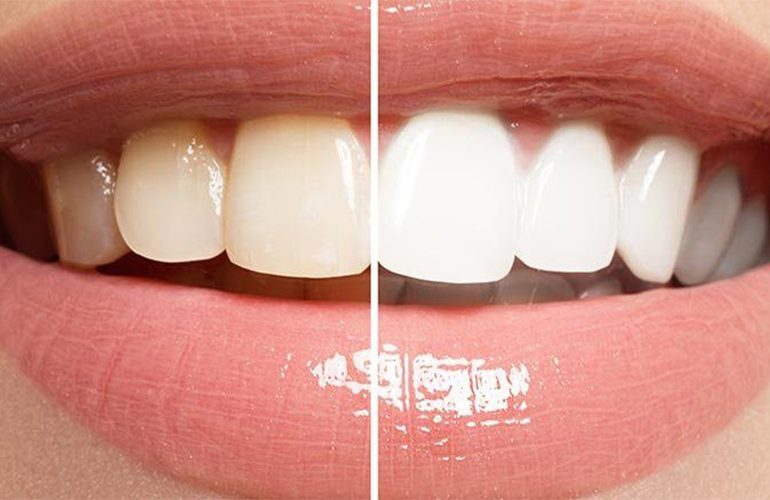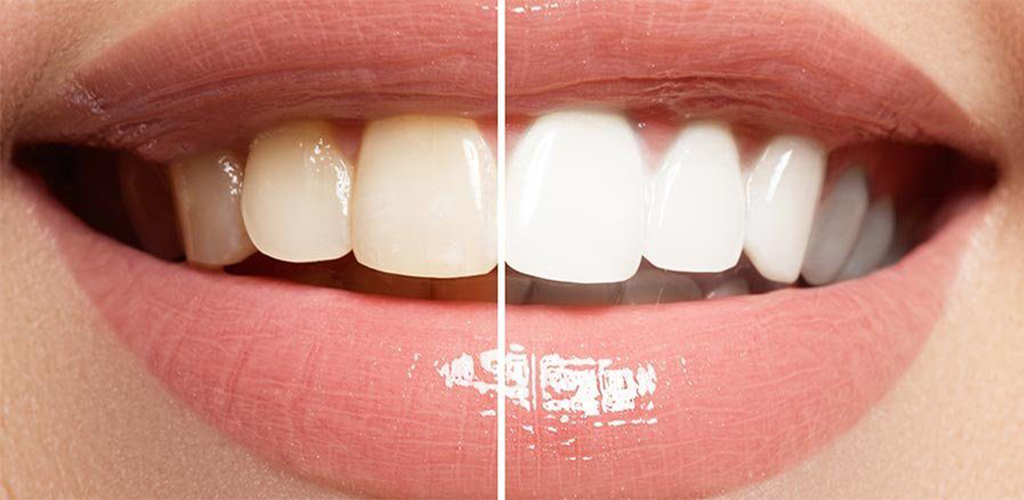
Many patients who have achieved well-aligned teeth with the completion of orthodontic treatment consider whitening to take their smile one step further. However, there are some special situations to consider before whitening is done after braces or clear aligner treatment. In particular, white spots that form around brackets can directly affect the result and planning of whitening. Knowing the right timing and method for whitening after orthodontics allows you to achieve a balanced and aesthetic result. As DijiDent Oral and Dental Health Polyclinic, we plan the post-orthodontic aesthetic processes of our patients in Türkiye holistically.
Why Is It Awaited Until After Treatment?
During fixed orthodontic treatment, whitening gel cannot reach the areas where the brackets are bonded; for this reason, whitening done while treatment continues can lead to uneven color areas. After treatment is completed and the brackets are removed, it is recommended to wait for a while for the tooth surfaces to be cleaned and polished and for the gums to heal. The stabilization of the enamel surface after bracket removal also contributes to the result being more predictable.
White Spots After Brackets
During fixed braces treatment, plaque accumulating around the brackets can lead to mineral loss on the enamel surface and chalky white spots. These spots are in the nature of early caries.
Does Whitening Cover These Spots?
Whitening can reduce the contrast by lightening the tooth tissue around the spots and, in some situations, make the spots look less pronounced. However, in some patients, the spots may temporarily become more pronounced during whitening. For this reason, in patients with white spots, whitening is planned together with the treatment of the spots.
Treatment Options for White Spots
- Remineralization: Strengthening the enamel surface with products containing fluoride and minerals; it can provide improvement over time in mild spots.
- Resin infiltration: Reducing the appearance of the spot by infiltrating a special material into the spotted area without cutting the tooth.
- Microabrasion: Controlled removal of a very thin layer of enamel in surface spots.
- Composite restoration: Repairing the spotted area with tooth-colored material in deep spots.
The treatment of white spots and whitening are often complementary procedures that give the most balanced result when planned together.
The Correct Sequence
Removal of Brackets and Surface Cleaning
Bracket adhesive residues are cleaned and the teeth are polished.
Evaluation
White spots, caries and gum condition are evaluated; the necessary treatments are planned.
Professional Cleaning and Waiting
A period is waited for the gums to heal and the enamel surface to stabilize.
Whitening
Whitening is done with the in-office, at-home or combined method.
Aesthetic Finishing
After the color stabilizes, remaining spots are treated with resin infiltration or composite if necessary, and restorations on the front teeth, if any, are renewed to match the new color.
This sequence can be adapted by your dentist according to each patient’s situation.
After Clear Aligner Treatment
Since there are no brackets in clear aligner treatment, the risk of white spots is generally lower. In some patients, the removable retainers used after orthodontic treatment can also be used as whitening trays if the dentist deems it appropriate. However, not every tray may be suitable for this purpose; it needs to be designed to prevent the gel from overflowing. Be sure to consult your dentist about this.
Fixed Retainer Wire and Whitening
Fixed retainer wires bonded to the back surface of the lower or upper front teeth do not prevent the whitening gel from being applied to the front surface of the teeth. Since whitening is generally applied to the front surfaces, these wires do not markedly affect the result. However, it is important that tartar and stains that accumulate around the wire are cleaned beforehand.
Regular cleaning of tartar that accumulates on the back surface of the fixed wire is important for both aesthetics and gum health.
Protecting the Teeth During Treatment
The most effective way to reduce the need for whitening after orthodontics is to maintain good oral hygiene during treatment. Cleaning around the brackets with special orthodontic brushes, using fluoride products, limiting sugary and acidic foods and drinks, and regular check-ups help prevent the formation of white spots.
Whitening During the Retention Period
After orthodontic treatment, retention appliances need to be used regularly so that the teeth can maintain their new positions. The whitening process should not disrupt this routine. How the wearing hours of at-home whitening trays and retainers will be planned is determined by your dentist. Neglecting the retention period can lead to the teeth moving again.
The Question of Age
A significant portion of patients who finish orthodontic treatment are young. Whitening is generally not recommended for patients under 18 years of age. For these patients, options such as professional cleaning and treatment of white spots are considered first.
Frequently Asked Questions
Waiting a while for surface cleaning and gum healing is recommended; the period is determined by your dentist.
Whitening can reduce the contrast; however, additional treatments are generally needed for white spots.
It is possible in some situations; however, its suitability must be evaluated by your dentist.
Generally not; whitening is applied to the front surfaces of the teeth.
It is generally not recommended; cleaning and spot treatments are considered first.
Complete your straight teeth with a bright smile.
Contact us to book an appointment to learn your options for whitening and white spot treatment after orthodontics. Let us create your aesthetic plan together at DijiDent Oral and Dental Health Polyclinic.
This content is for general information purposes and does not replace an examination by a dentist. Whitening results vary from person to person; a specific color result cannot be guaranteed.